
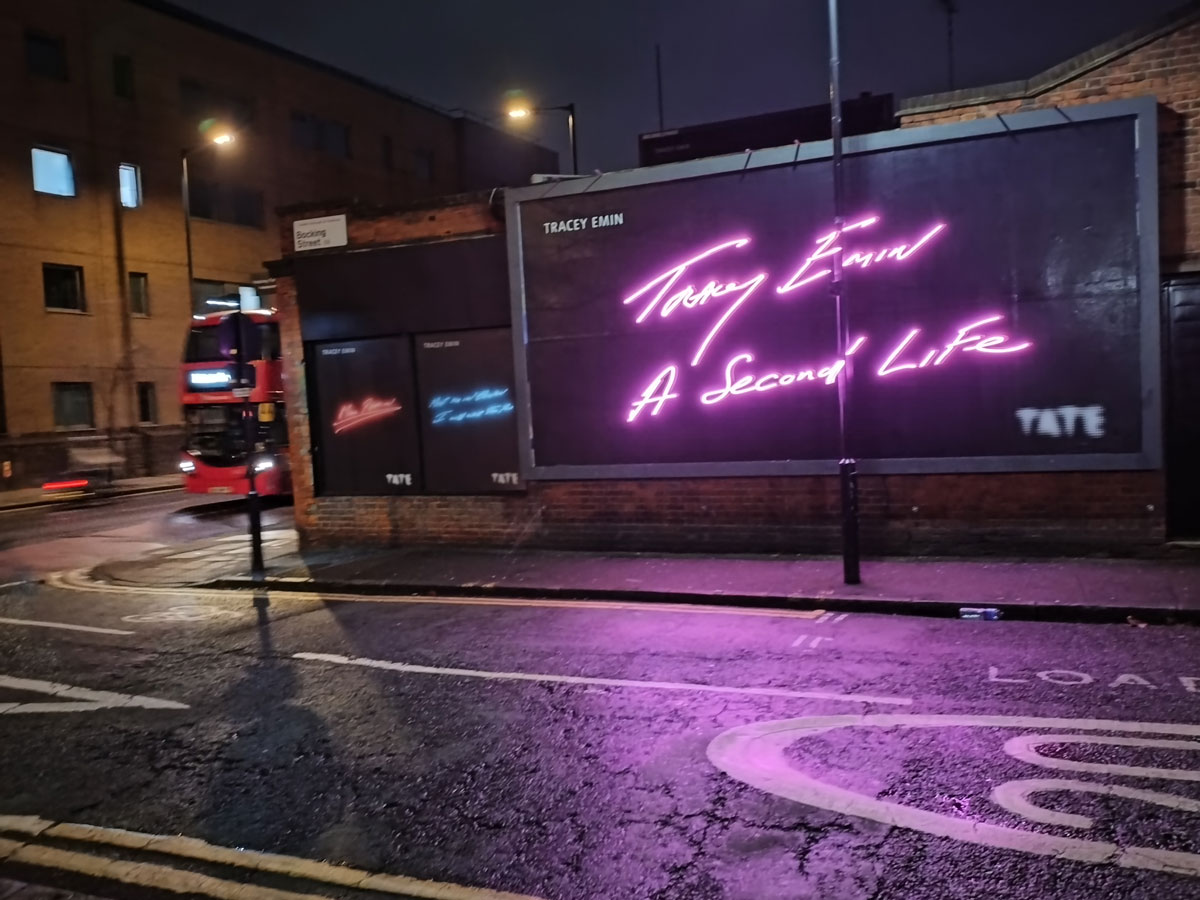
We don’t need an editorial here do we? Another week, another Five Art Things thing and on with all this endless art coverage? Years of it. Should it all just knocked on the head, just get back to the dog eat dog world of being an artist? Is there really much point in all this art coverage and this clapping with one hand?
Five art things then, five more art things happening somewhere around right now (or any moment now). Five art shows to check out in the coming days as we repeat ourselves. We do aim to make this an (almost) weekly round up of recommended art events, five shows, exhibitions or things we rather think might be worth checking out. Mostly London things for that is where we currently operate and explore, and like we said last time, these five recommendations come with no claims that they are “the best five” or the “Top Five”, we’re not one of those annoying art websites that ignore most things whilst claiming to be covering everything and proclaiming this or that to be the “top seven things” or the “best things this weekend”. This Five Things thing is simply a regular list of five or so recommended art things happening now or coming up very soon that we think you might find as interesting as we think we will…
And we should add, that entry to these recommended exhibitions and events, unless otherwise stated, is free…
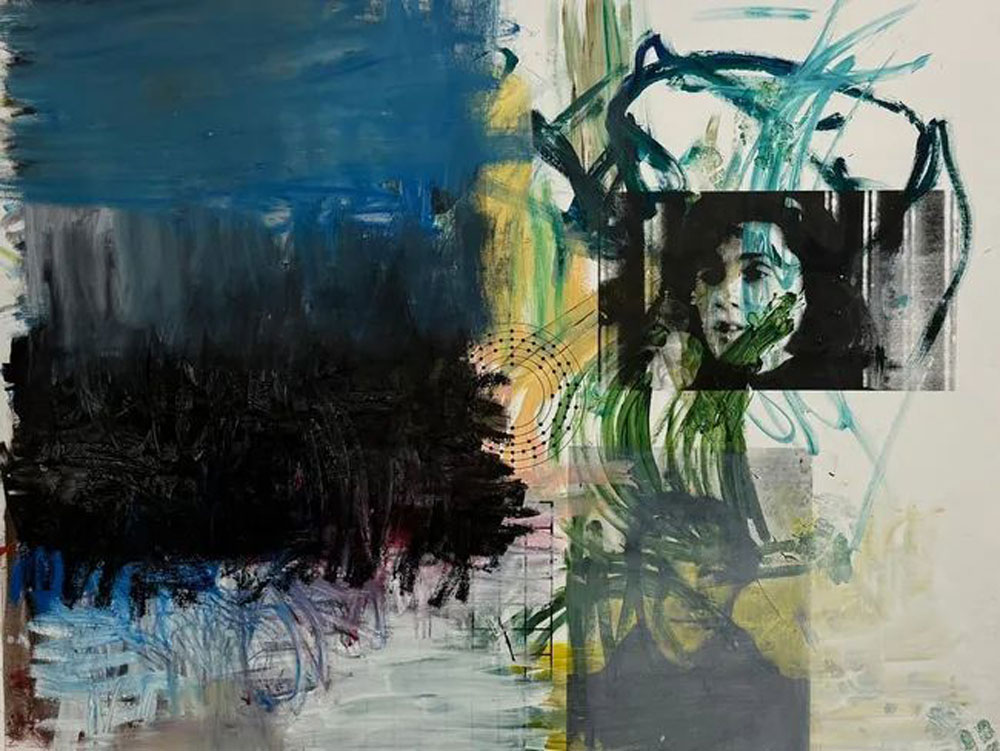
1: Leyla Yenirce, Amplifier at Jeremy Scholar Gallery – 27th Feb until 18th April 2026 – “Leyla Yenirce’s new paintings bring together brushwork and printmaking in a dialogue that is by turns confrontational, tender, abrasive and lyrical. Her jagged, scrawled, propulsive mark-making at times obscures or mutes the imagery silkscreened onto each canvas. At others, these gestures act by contrast as a kind of emphasis, accumulating pictorial energies around a given image. Amplifying them. And it so happens that sound – especially the sound of a human female voice, speaking or singing – is a guiding metaphor for their production. They seem to meditate on the implications of what the poet Anne Carson, in her 1992 book The Gender of Sound, called “putting a door on the female mouth.” For Carson, the female voice in classical Greek literature is associated with “shrieking, wailing, sobbing…[and] eruptions of raw emotion”: sounds that disrupt the controlled and moderate tone of male authority figures. In Yenirce’s work, the door is kicked open. These are noisy, eruptive paintings.
The starting point for these works was Charlotte Salomon’s illustrated book, or graphic novel, Life? Or Theatre?, made from 1940-42 but first published in 1963, twenty years after her murder in a gas chamber in Auschwitz. In the book, the protagonist (a thinly veiled self-portrait) is encouraged by her music teacher to sing as a means of self-expression. The result is the book itself, which the narrator refers to as “the song of farewell to [my] native land.” For Yenirce, Salomon is one of a pantheon of female influences whose faces appear in these works in the form of silkscreened images that occasionally glitch and repeat, like an off-kilter rhythm. Others include the Italian author and antifascist Natalia Ginzburg, the American r&b singer Aaliyah, and Yenirce’s German teacher Christiane Haselier, a kind of stand-in for Salomon’s inspirational music teacher.
Most pertinent are the figures associated with the rights of Kurdish people, including the folk musician and activist Helin Bölek, the singer, artist and advocate for Kurdish culture Hozan Mizgîn, and the activist and politician Leyla Zana, after whom the artist was named. These paintings coalesce around the figure of Zana, who repeatedly appears in alternately legible and spectral forms. During her speech when joining the Turkish parliament in 1991 as its first Kurdish woman member, Zana provocatively spoke a single sentence in Kurdish; it was at that point illegal to use the language in public. Zana’s action and Yenirce’s allusions to it in her work provides a contextual weave for the sonic dimension of these paintings. The making of sound is reimagined as a means of occupying space, of staking a new territory for political gestures.
Yenirce’s background in music – in particular, the noise music scene – has occasionally interjected in a literal way with installations of her paintings. Here, sound is implied, but the harsh discordancy of noise music, as well as the haphazard sampling of her printed faces, invites allusions to abrasive tendencies in modern musicianship. Under the instruction of her tutor Jutta Koether – herself both painter and musician – Yenirce developed a painterly language steeped in late modernist mastery of touch. And while her paintings, in their tactile translation of existing imagery, resemble the ragged Pop of Robert Rauschenberg, the lushness and immediacy of her array of marks is closer in spirit to Joan Mitchell, and channels that artist’s woozy romanticism. Yenirce finds a way to make that antique language new. The result is a practice that emerges from a deep and tender engagement with how a person might operate in a broken world, with – in the artist’s own words – “painting as a surface for everything that goes through my body.” Dr Ben Street
Jeremy Scholar Gallery is at 53 Welbeck Street, London, W1G 9XR. The space is open Tuesday until Sunday, 10am until 6pm. Amplifier runs from 27th Feb until 18th April 2026
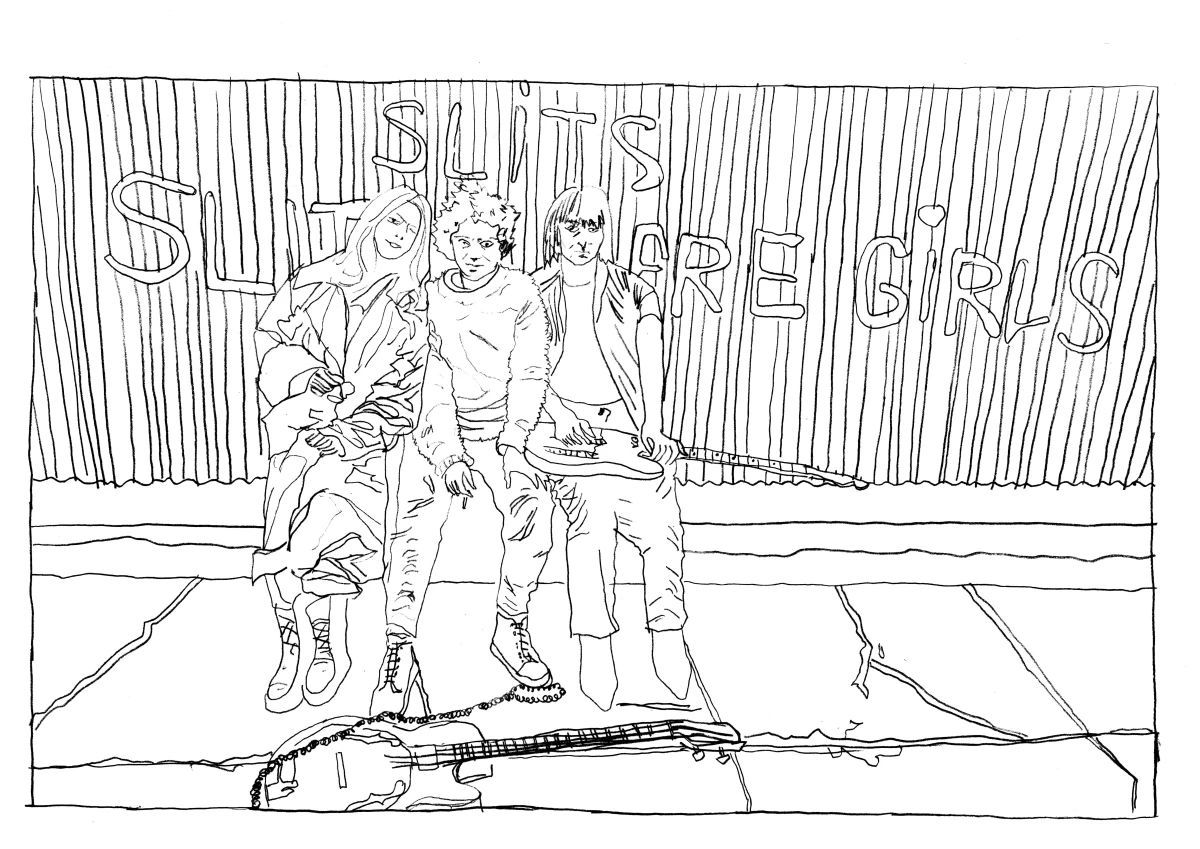
2: Ângela Ferreira, Slits are Girls at The Showroom, NW8 – 27th Feb until 7th June 2026, with an opening on 26th Feb, 6.30 until 8.30pm – “The Showroom presents Slits are Girls, a new commission by artist, Ângela Ferreira (born Mozambique, based in Lisbon)”.
“Ferreira’s sculptural practice addresses sites and moments of revolution, exploring how culture moves, adapts and transforms across geographies and histories. At The Showroom the artist brings together two narratives, two versions of punk – from the UK and from South Africa. Both histories read their respective revolutionary moment in different but related ways.
Slits Are Girls originates from a series of photographs taken at the very earliest moments of punk. Captured only yards from The Showroom, the images testify to how punk’s formative energies emerged in this part of West London. In turn, Ferreira connects this local history to her own experiences of punk as a teenager in South Africa, through the band, National Wake. Just as The Slits pioneered a feminist rebellion at the heart of UK punk, National Wake modelled cultural resistance in apartheid-era South Africa. Formed in 1978, in the aftermath of the 1976 Soweto Uprising, the band comprised two white and two Black members at a time when living, playing, let alone performing together, was proscribed.
Like much of Ferreira’s work, Slits Are Girls examines architectural forms that speak to their political era. A major element of the installation references a historical photograph of the Athens Gardens housing estate on the Harrow Road, where an early piece of graffiti announcing ‘The Slits’ seems to anticipate what the band would become, and was almost certainly made by a band member or someone closely connected to them. The graffiti suggests that The Slits were always more than a band – they represented an idea in formation. Evidence of contemporaneous similar interventions in the surrounding area indicate a kind of pre-emptive fandom, marking out territory, manifesting, even before the band’s public identity.
Ferreira’s reconstruction aligns with her long-standing interest in the way that architectural forms communicate political hierarchies, in order to engage with the social as those hierarchies of form are dismantled.
In another work, the corrugated iron outside the squat on Daventry Street, NW1, where The Slits rehearsed, is reimagined in sculptural form. The reverse of the structure is rendered in wattle and daub – an allusion to the iconic 1979 photographs of the band covered in mud, for their first album cover, and featured on the front of New Musical Express, as well as National Wake’s uncannily similar appearance for their own album. A third sculpture – a small makeshift stage – references a National Wake outdoor concert in Hermanus, South Africa.
For Ferreira, the simultaneous resemblance of these two bands – one in London, the other in Johannesburg / Soweto – constitutes a powerful, if independent, convergence. The exhibition becomes a type of mapping – of the local area directly adjacent to The Showroom, while simultaneously marking how ideas, forms and images move across the world and are transformed by context; seeking to build a bridge between these two sites of resistance. If The Slits can be understood as quintessentially punk precisely because they refused – even within punk – to conform, National Wake used punk not only as an act of refusal and protest, but as a lived experiment in anti-apartheid integration.
Ultimately the conjunction between these two bands proposes that punk’s legacy has no fixed orthodoxy beyond its immediacy. It was always a ‘democracy’ of accessibility. In this way punk may be understood as a site of political upheaval that, fifty years on, continues to offer possibilities of social critique and resistance.
As part of her commitment to sustaining the installation as an open, working space, Ferreira has invited the Black Industrial Research Group to intervene throughout the exhibition. At the opening, Dubmorphology will present a sonic performance drawing on Punk and its entanglements with multiple political and cultural histories. During the run of the show, the Research Group will expand on this to develop an evolving intervention – an expanded field of research and critique, montaging sound and visual elements that will be projected onto the works within Ferreira’s installation.
Slits Are Girls is curated by Andrew Renton, who has collaborated on projects with Ângela Ferreira for more than thirty years. He is a writer, curator and Professor of Curating at Goldsmiths University of London.
About the artist – Ângela Ferreira, born in 1958 in Maputo, Mozambique. She lives and works in Lisbon, teaching Fine Art at Lisbon University, where she obtained her doctorate in 2016. Her work is concerned with the ongoing impact of colonialism and post-colonialism on contemporary society. She also develops multimedia decolonial homages to figures like, Carlos Cardoso, Ingrid Jonker, Miriam Makeba, Angela Davis.
The Showroom is found at 63 Penfold Street, London, NW8 8PQ. Slits are Girls is on from 27th Feb until 7th June 2026. The space is open Wednesday to Saturday, midday until 6pm
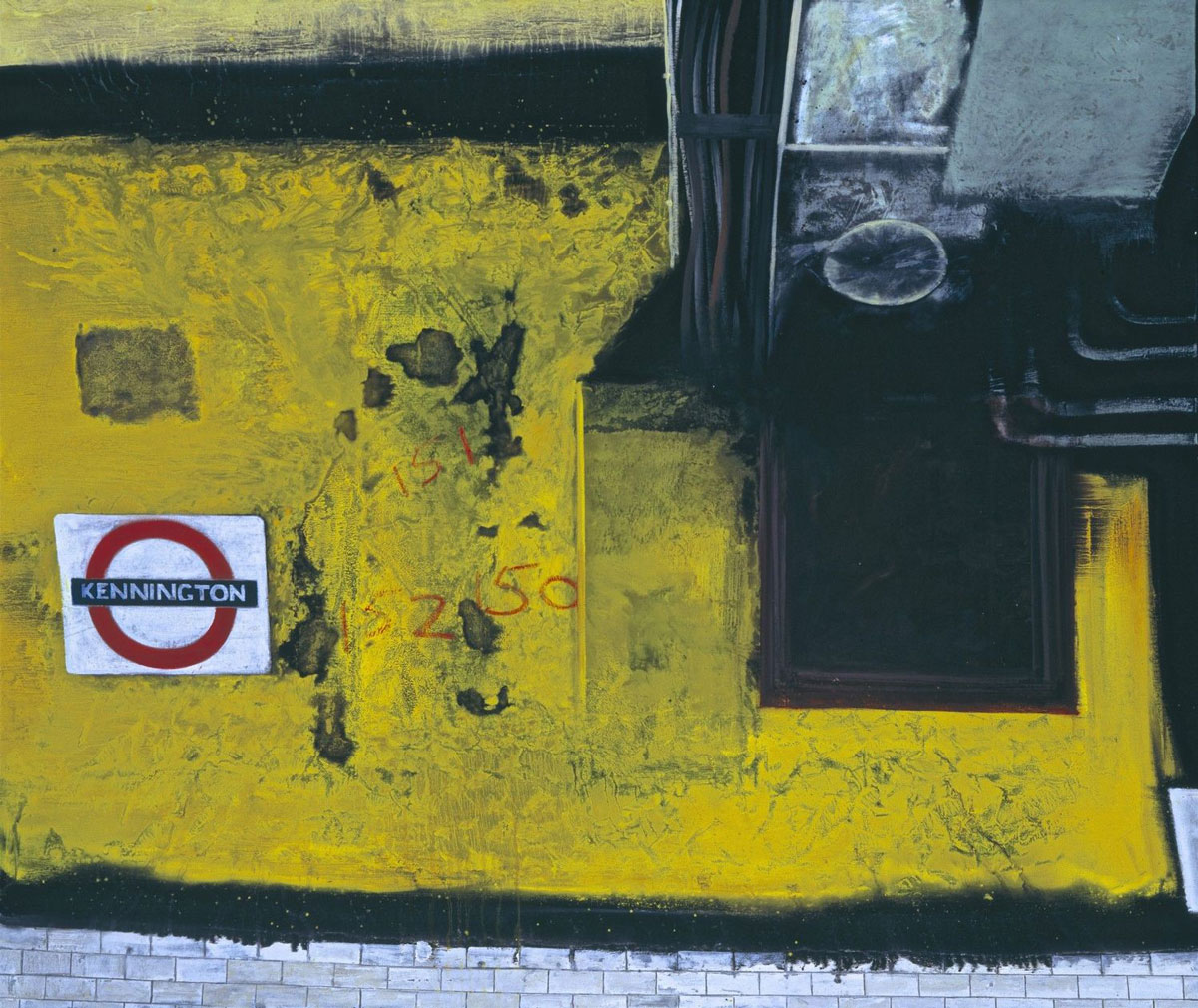
3: Jock McFadyen with Jem Finer – Underground (and Surface) at Guildhall Art Gallery and Roman London’s Amphitheatre – 27th Feb until 20th September 2026 – “Step into the sensory world of London’s Tube in Guildhall Art Gallery’s immersive exhibition by Jock McFadyen RA and Jem Finer of The Pogues” so it says here.
“Jock McFadyen with Jem Finer: Underground (and Surface) brings together Jock McFadyen’s large-scale Tube station paintings, revisiting his Underground series from the late 1990s, with a layered soundscape by Jem Finer of The Pogues, composed from field recordings on the Northern and Central lines. Image and sound combine to transform familiar stations, signage and everyday noises into an immersive experience, encouraging visitors to see and listen to the Underground anew. The exhibition then opens out into a sequence of works, presenting McFadyen’s expansive cityscapes and earlier paintings featuring people. Set above ground, these works offer a striking counterpoint to the enclosed spaces of the subway, shifting the focus from subterranean movement to the broader rhythms and human presence of the city”.
Highlights include:
A reimagining of the acclaimed ‘Underground’ series, first created in the late 1990s and brought into the present through this unique collaboration.
The debut of a newly completed work from McFadyen’s Underground series, shown publicly for the first time.
An immersive soundscape by Jem Finer, using field recordings from the Northern and Central lines to bring the Underground to life.
Large-scale artworks of iconic London locations, from shadowy Underground stations to open, sunlit cityscapes.
Captivating artworks such as ‘Bank’, ‘Ghost’ and ‘Popular Enclosure’, capturing both the intensity and calm of the city.
Each artwork is linked to a specific Tube station, inviting visitors to see London’s transport network – and the city – in a new way.
Guildhall Art Gallery is found at Guildhall Yard, London, EC2V 5AE. The gallery is open seven days a week, 10am until 5pm. Cost of entry – “Pay What You Can: You can pay as much or as little as you like for your ticket or visit for free. Income from this exhibition will help the Gallery to put on new public exhibitions and support their education and conservation programmes”.
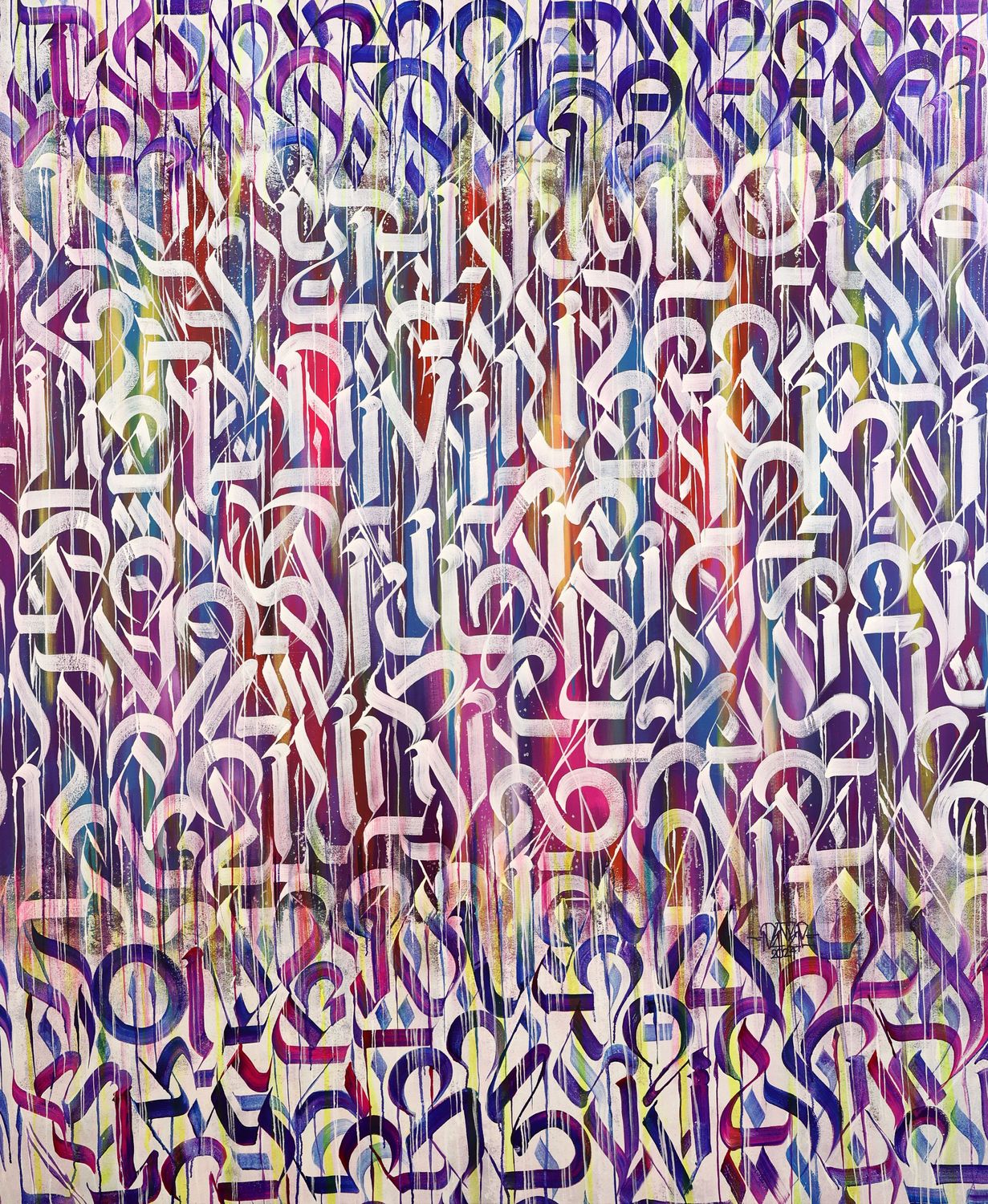
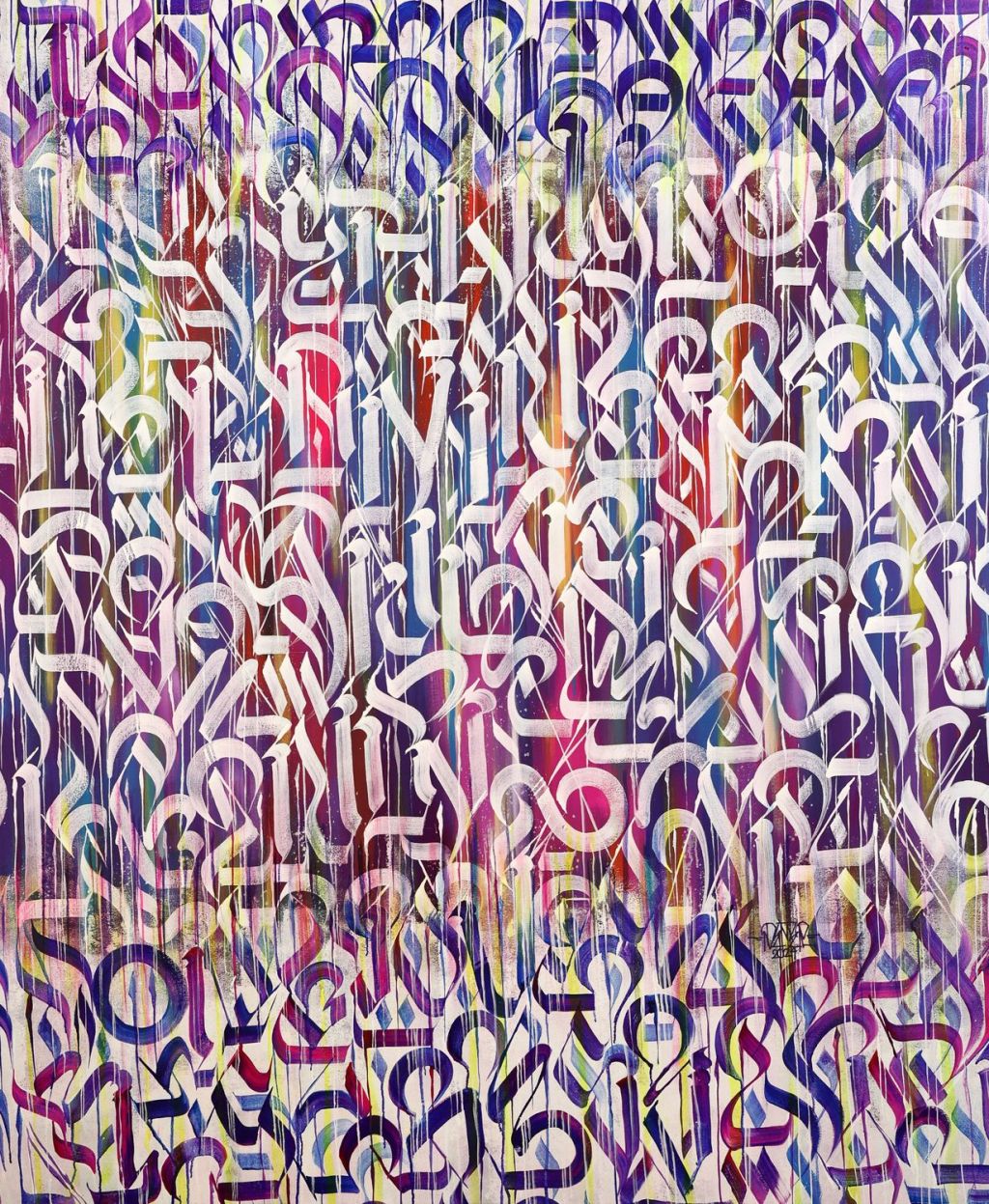
4: Los Angeles: A Visual Lineage at Woodbury House – 27th February until 24th April 2026 – A group exhibition tracing the evolution of Los Angeles’ street and graffiti visual language, featuring Chaz Bojórquez, DEFER, Estevan Oriol, and RETNA at Woodbury House, Mayfair. The exhibition marks the first time these artists have exhibited together, presented in London as a unified exploration of lineage, transmission, and cultural continuity.
“Los Angeles: A Visual Lineage will be open to the public from 27 February to 24 April 2026. The exhibition invites audiences to engage with Los Angeles not as an aesthetic export, but as a cultural system — one built over decades through discipline, community, and continuity.
Rather than focusing on a single movement or medium, the exhibition examines how visual language in Los Angeles has evolved across generations — from early hand-painted name inscriptions and calligraphic traditions rooted in the street, through graffiti and abstraction, to contemporary forms and photographic documentation. Together, the works on view articulate a continuous visual genealogy, revealing how culture is passed forward, refined, and preserved.
At the origin of this lineage is Chaz Bojórquez, widely regarded as the ‘Godfather of Cholo Writing’. Working in East Los Angeles from the late 1960s, Bojórquez approached writing as language and authorship long before graffiti emerged as a global movement. His practice established the foundations of a visual language that would later be expanded, abstracted, and reinterpreted by subsequent generations.
DEFER extends this inheritance through abstraction and spiritual intent, evolving the discipline of writing into a contemporary visual language grounded in rhythm, restraint, and belief. RETNA further advances this evolution, transforming writing into a monumental, codified system recognised internationally, while remaining anchored in calligraphic discipline and structure. Together, their practices demonstrate how a street-born language can mature without losing its integrity.
Providing the essential documentary dimension, Estevan Oriol records Los Angeles as lived experience. His photography captures the environments, communities, and cultural conditions from which these practices emerged, anchoring the exhibition in real places and real lives. His work situates the evolution of the visual language within the social and cultural fabric of the city itself.
The presentation of ‘Los Angeles: A Visual Lineage’ in London is both timely and significant. It offers an opportunity to encounter the evolution of Los Angeles street and graffiti culture — from its origins to its global influence — presented with historical clarity and seriousness. Notably, this marks the first time these four artists have exhibited together, making the exhibition a landmark moment that brings an entire visual lineage into dialogue within a single space”.
Joseph Bannan, Partner at Woodbury House, said: “This exhibition is about continuity rather than trend. Each of these artists represents a different point within the same visual genealogy, and seeing their work in dialogue reveals how culture is passed forward, refined, and preserved. ‘Los Angeles: A Visual Lineage’ traces the evolution of Los Angeles’ distinctive visual language from its origins to its contemporary expression, brought together through the work of its most influential pioneers.”
Woodbury House is found at 29 Sackville Street, Mayfair, London, W1S 3DX. open Monday to Friday, 10am until 6pm (5pm on Friday). The show runs from 27th February until 24th April 2026 – “Please note Woodbury House is by invitation & appointment only. For sales enquiries or to book a private appointment please get in touch” – which probably means we won’t, appointment only galleries, they kind of leave you undera bit of pressure don’t they…
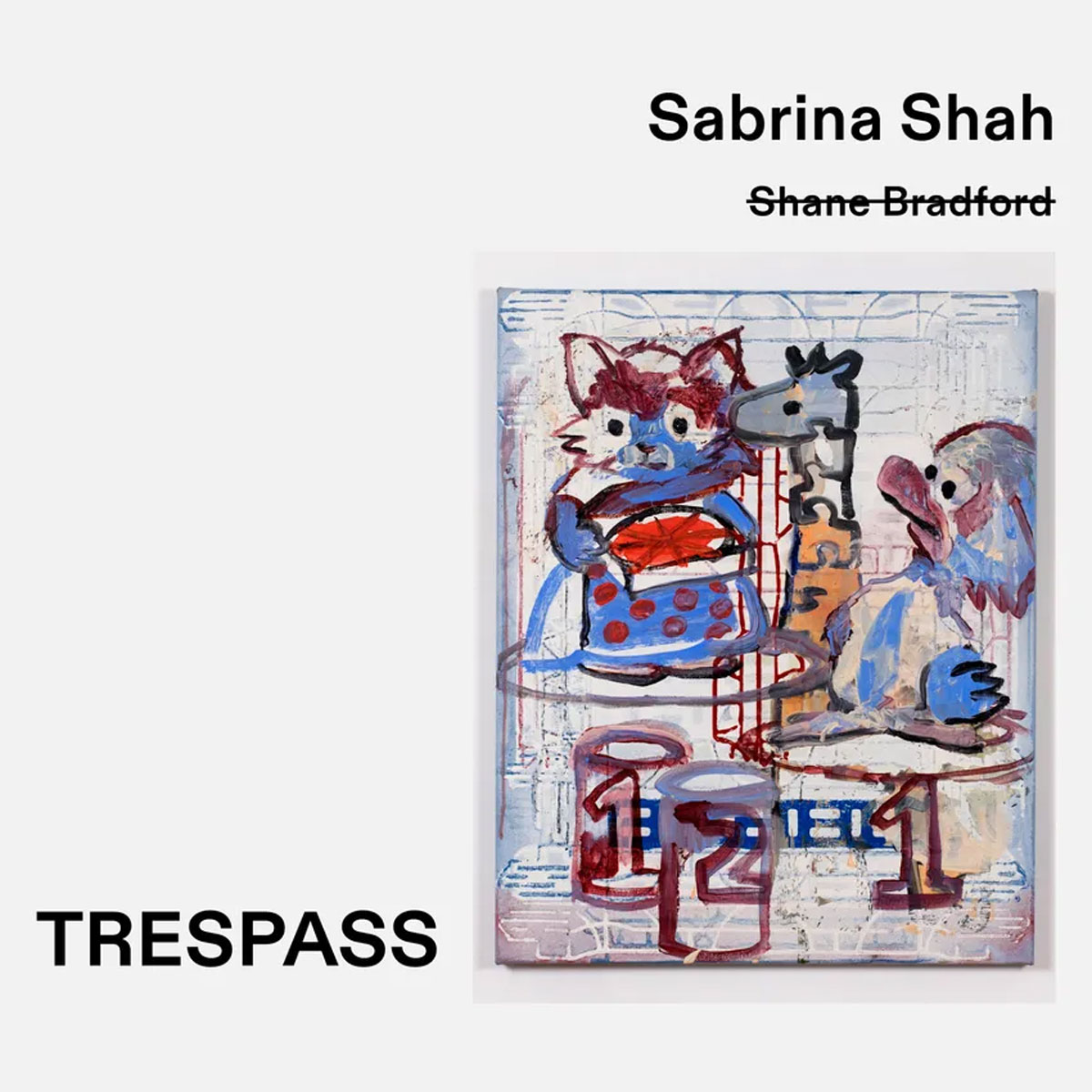
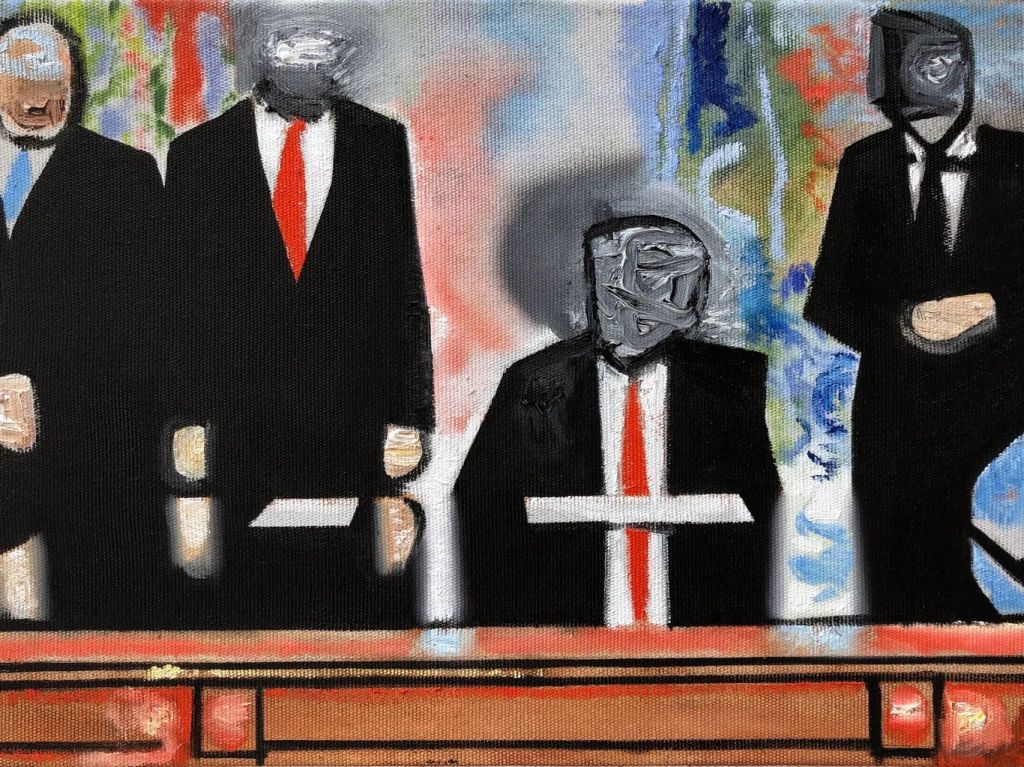
5: Trespass: Paintings by Sabrina Shah on surfaces by Shane Bradford at Union Gallery – Private View: Saturday 28 February 2026, 5-8pm and then 5th March to 4th April 2026 – “Trespass is an unusual collaboration between Union curator Shane Bradford and painter Sabrina Shah. The project is intended to test the jurisdiction of creative authorship in a traditional gallery setting. While these works are firmly Shah’s painting, the fact that they have been painted on top of abandoned former works by Bradford defines the series. Doubts arise. Questions are posed: what does it mean to trespass? Where is the consent?”
Union Gallery is found at 94 Teesdale Street, London, E2 6PU. The gallery is open midday until 6pm, Thursday to Saturday.
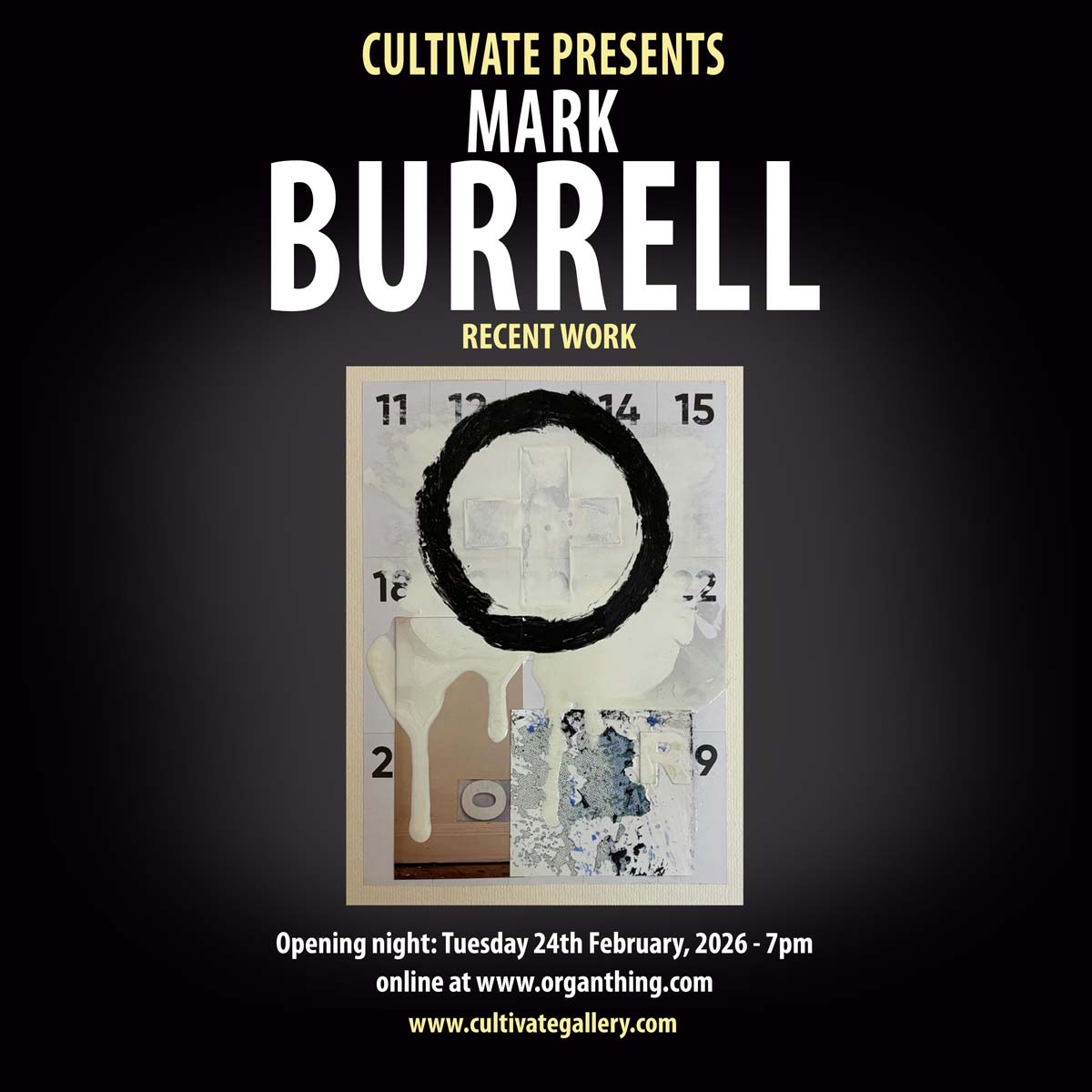
And while we’re here, Cultivate’s Spring 2026 program of online shows, explore them here

 THE ORGAN
One response to “ORGAN: Five Recommended Art Shows – Leyla Yenirce at Jeremy Scholar Gallery, Ângela Ferreira’s Slits are Girls at The Showroom, Paintings by Sabrina Shah on surfaces by Shane Bradford at Union Gallery, Jock McFadyen with Jem Finer at Guildhall Art Gallery, Los Angeles: A Visual Lineage at Woodbury House and…”
[…] this rather informally formal gallery in these almost secret back streets and we did once again recommend this show earlier this week, one of our five for the […]