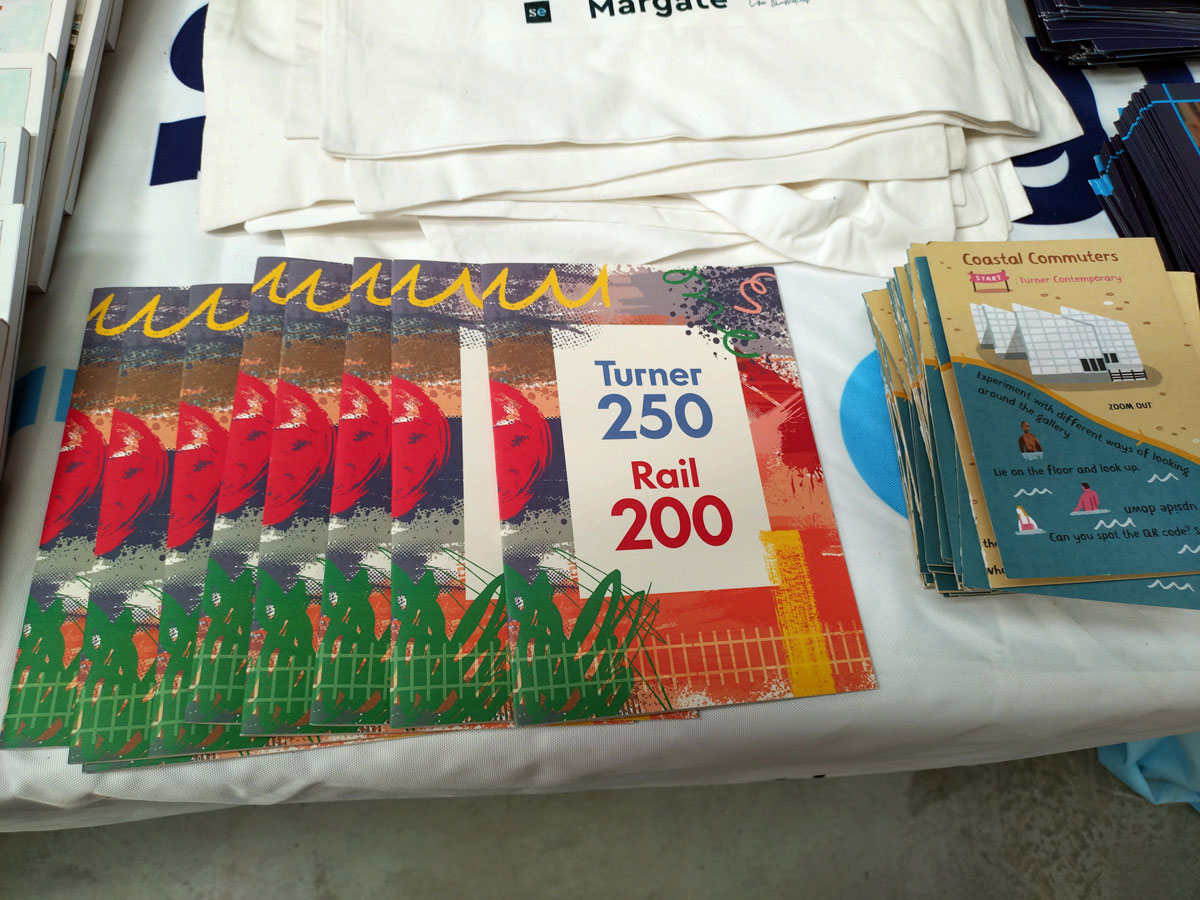
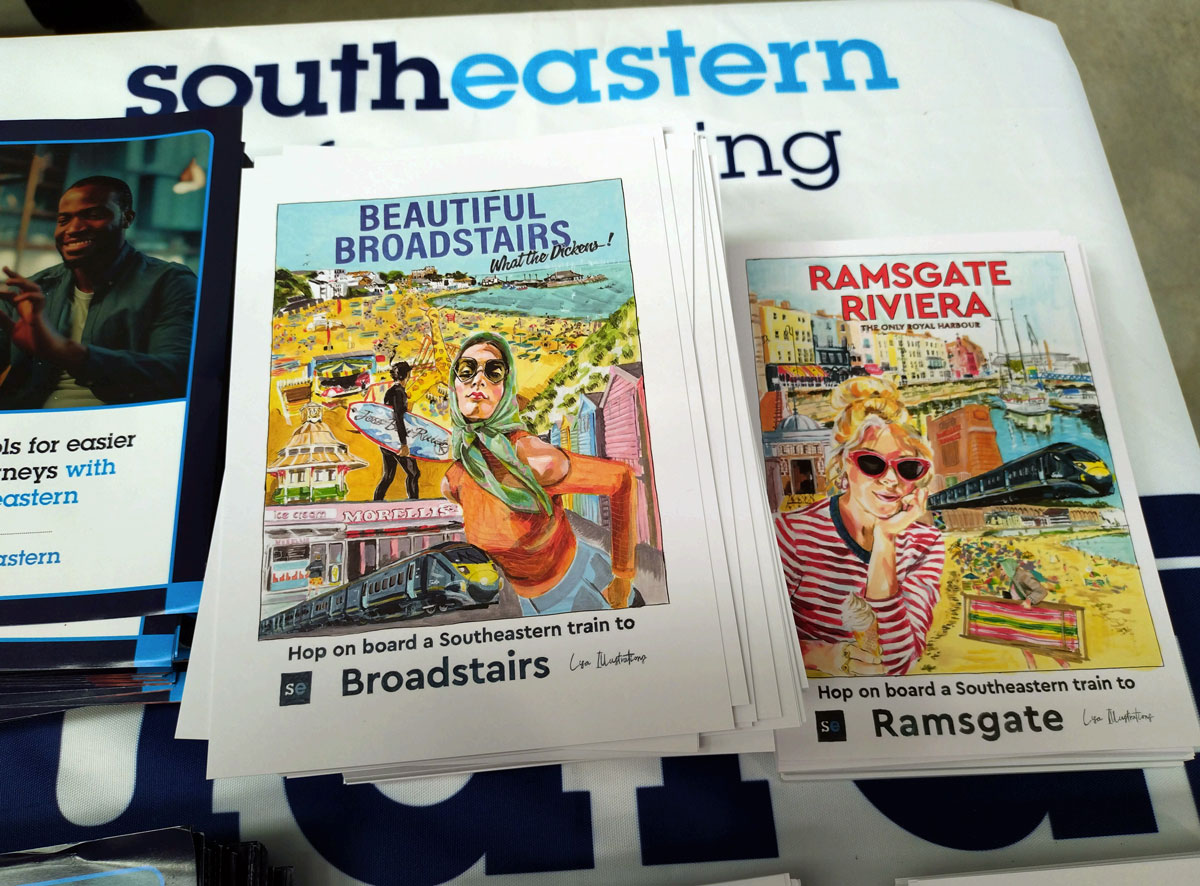
Off on a bit of a sideways track (like we sometimes lime to do) then. Trains are exciting, they take you to exciting places, they’re at the start of a seaside treat, of a weekend at a music festival, they take you to art galleries, to football matches, they take you home for Christmas, they take you off to meet people, they take you away from things, they sometimes bring you back again. A couple of weekends ago a rather fast Javelin of a train took us from the beauty of the born again St Pancras railway station and that big pink Tracey Emin neon (probably her best one, all about where it is above us all under the big clock in the London railway station, there above the statue of the patron saint of railway journeys that was English poet and writer John Betjeman) and off to Margate for some sea, some sand, some art, for that David Hockney window at the Turner Contemporary, to catch Theo Gorst’s not quite ordinary life at Liminal Gallery, to say hello to Margot from the aforementioned Margate ahead of this year’s Art Car Boot Fair and to check out the One:One Collection.
“The One:One Collection is a unique collection of historic locomotives, railway rolling stock and maintenance vehicles – some of which are the only remaining example of their kind – founded on a passion for rail and a desire to preserve them for future generations…”
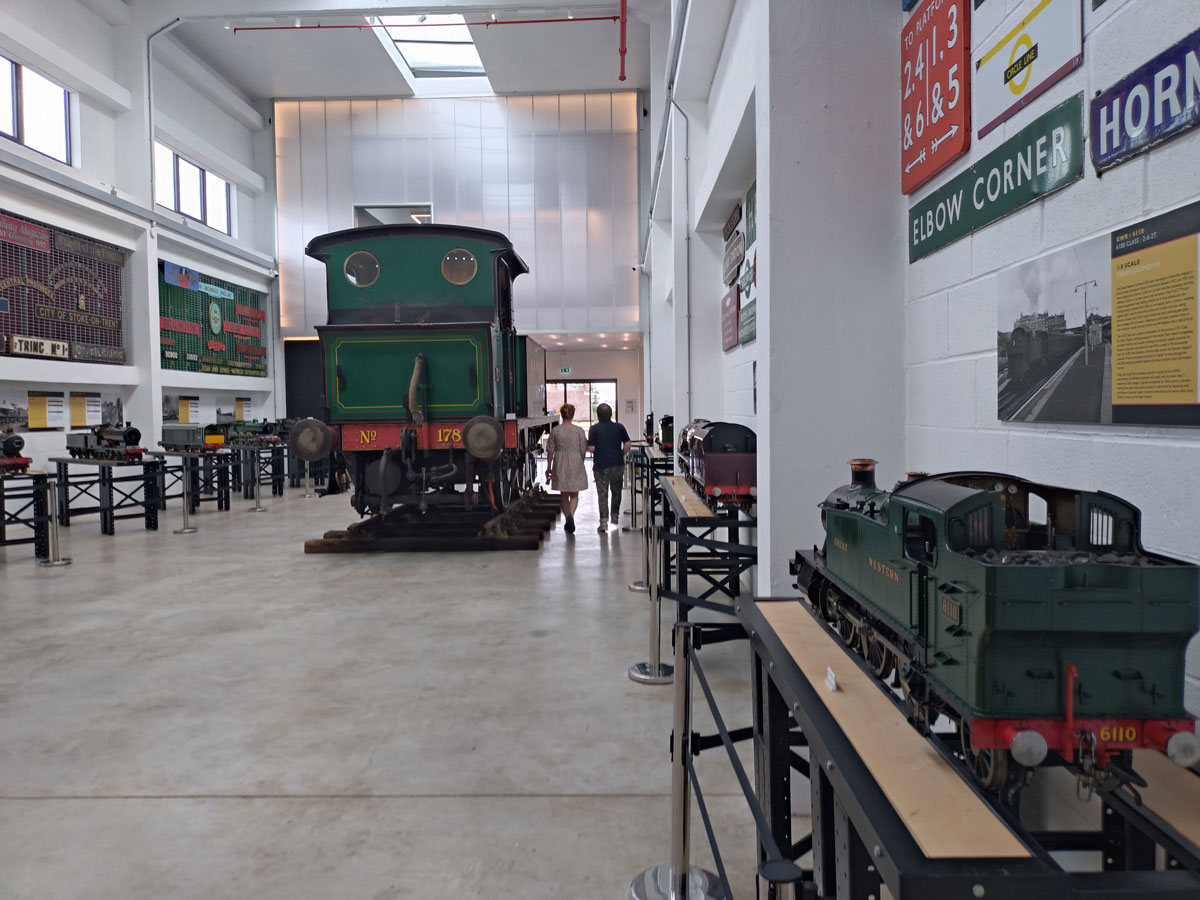
The One:One collection is full of so much; a collection full of art, life, design for those lives and it is partly because of where the collection is housed and all the history of that home before you even get to collection that it is exciting. The impressively ambitious collection is housed in the Hornby Factory in Margate and for any one who grew up with a Hornby train set that is something akin to the thought of a visit to Willy Wonka’s Chocolate Factory…
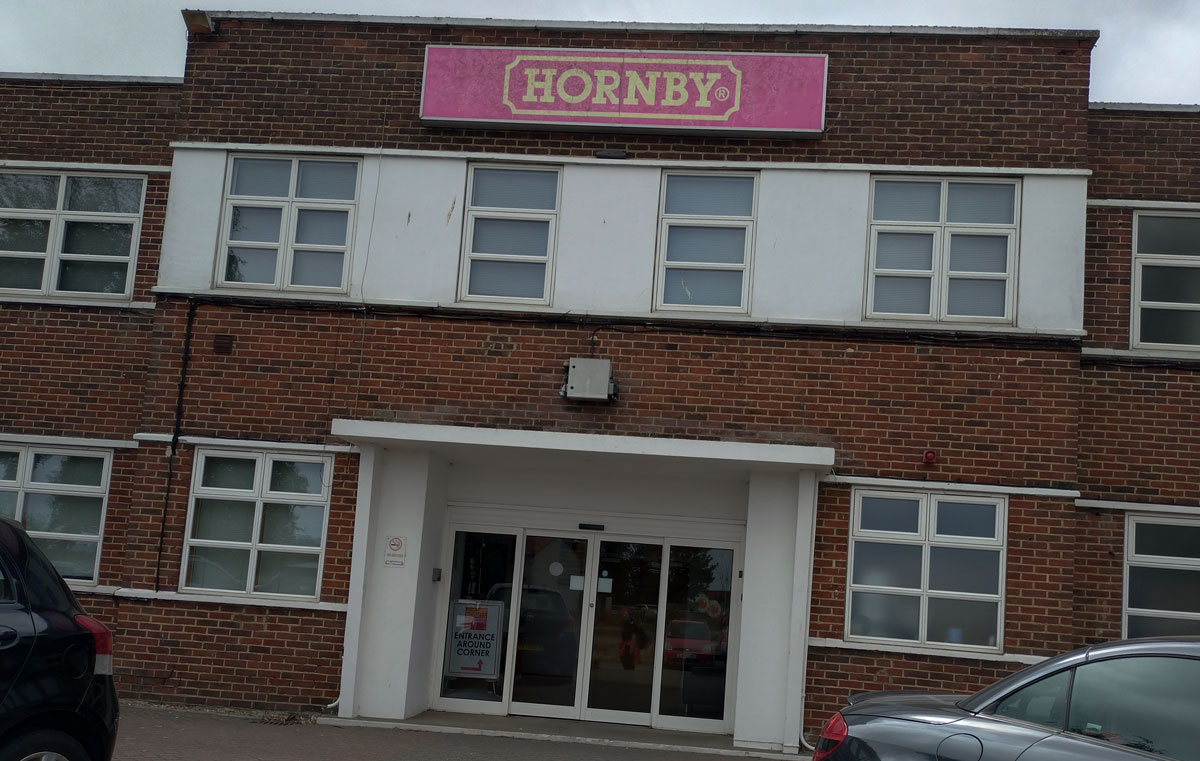
The Hornby Factory, originally the Rovex factory, a factory built in 1953 by Lines Brothers Limited as a purpose-built production facility for Rovex Scale Models (Tri-ang Railways) is a classic 50’s looking factory building. Tri-ang took over the then Liverpool-based Hornby in the early 60s at the start of what might be described as the classic years for the still-thriving-today brand. Margate and the factory is still where Hornby call home although full-scale manufacturing moved to Asia in the 1990s. These days the Margate site remains as the operational Hornby headquarters, it also houses the visitor attraction known as The WonderWorks Margate;
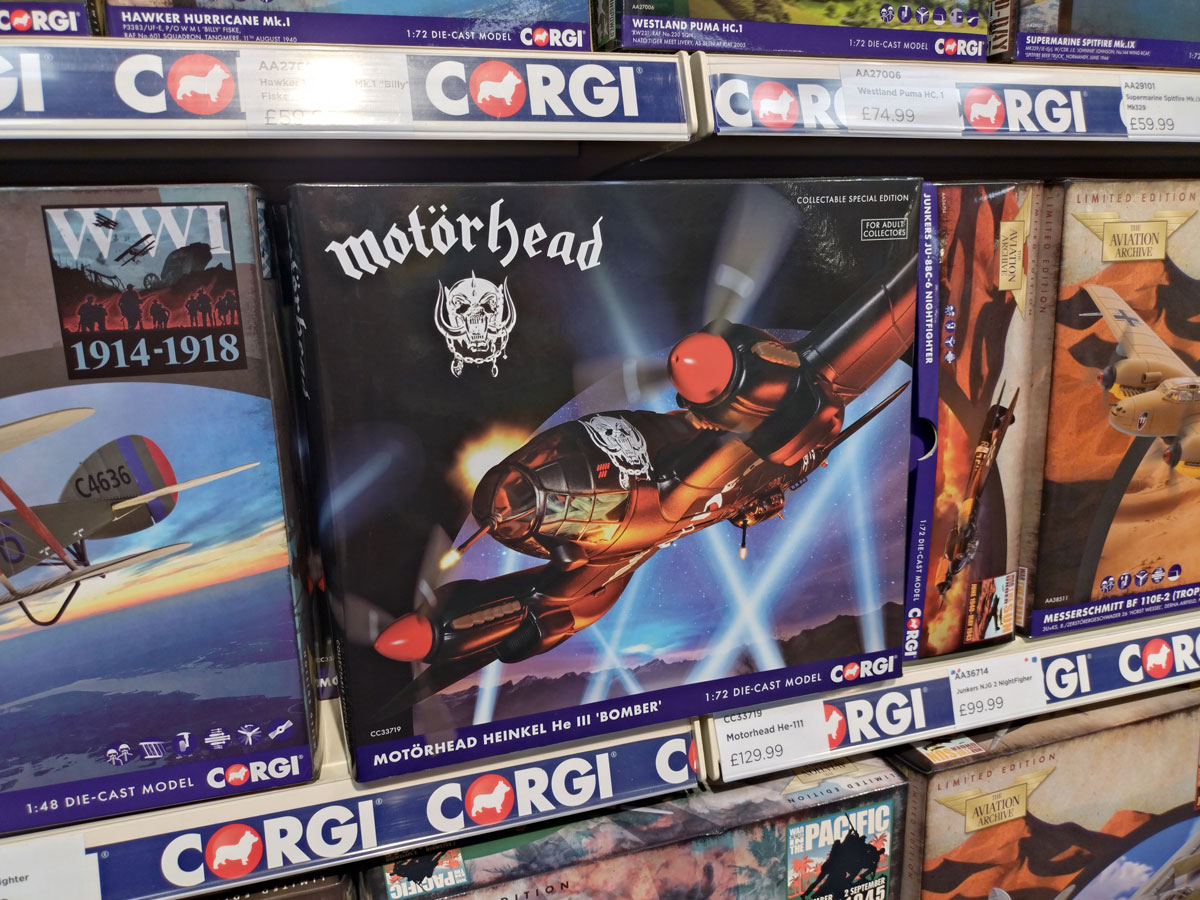
“The WonderWorks is the culmination of model journey that began over 100 years with Frank Hornby and his passion for inventing, and desire to create educational toys for his sons. Now, the reenergised and reimagined, WonderWorks will surprise and delight all generations, connecting them with their passions and the brands they love” – The WonderWorks is currently home to Hornby as we as well as Airfix, Corgi, scalextric and more (you’ll certainly want to exit via the gift shop here – was that really a Corgi model of Motorhead’s Bomber I spied?!). The Works also houses the One:One collection (well they do have a lot of space in the now rather big rather redundant production areas of the factory)
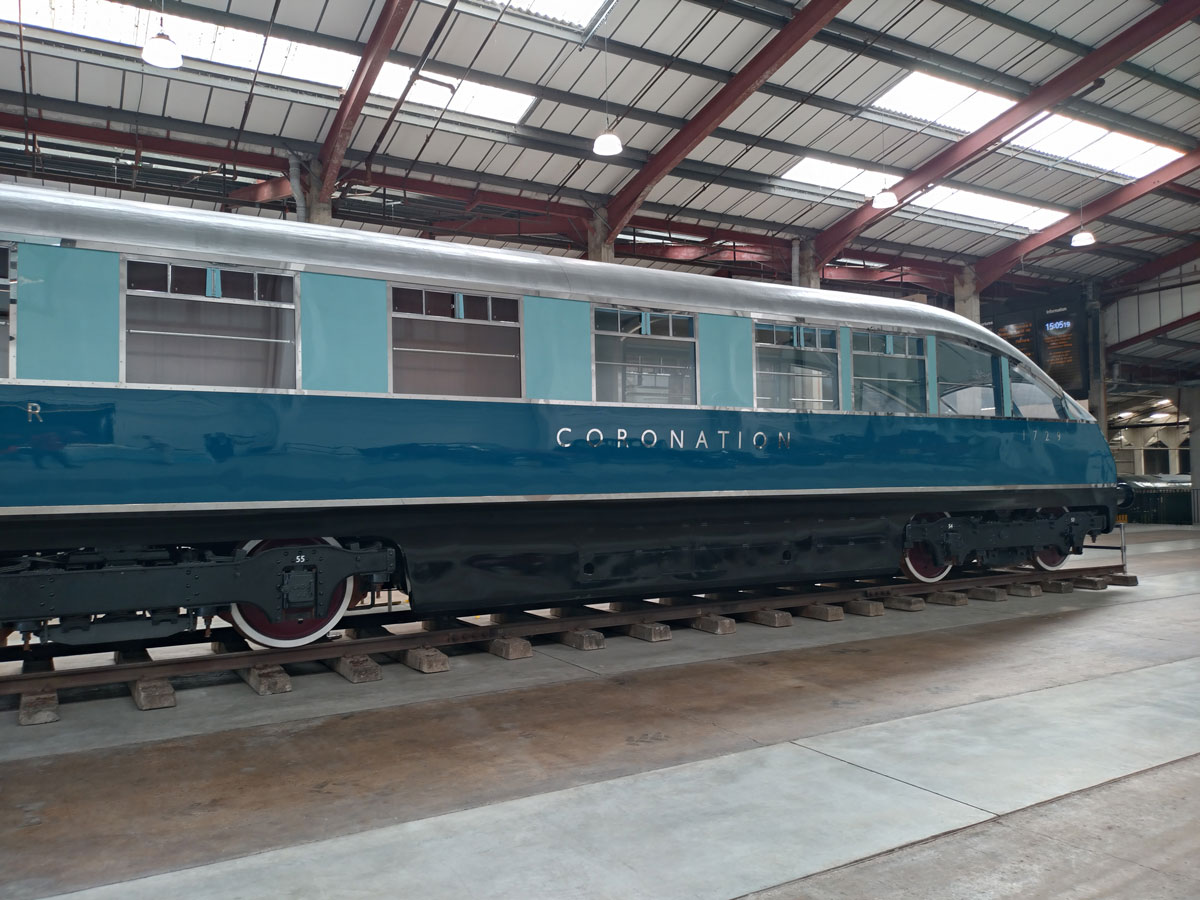
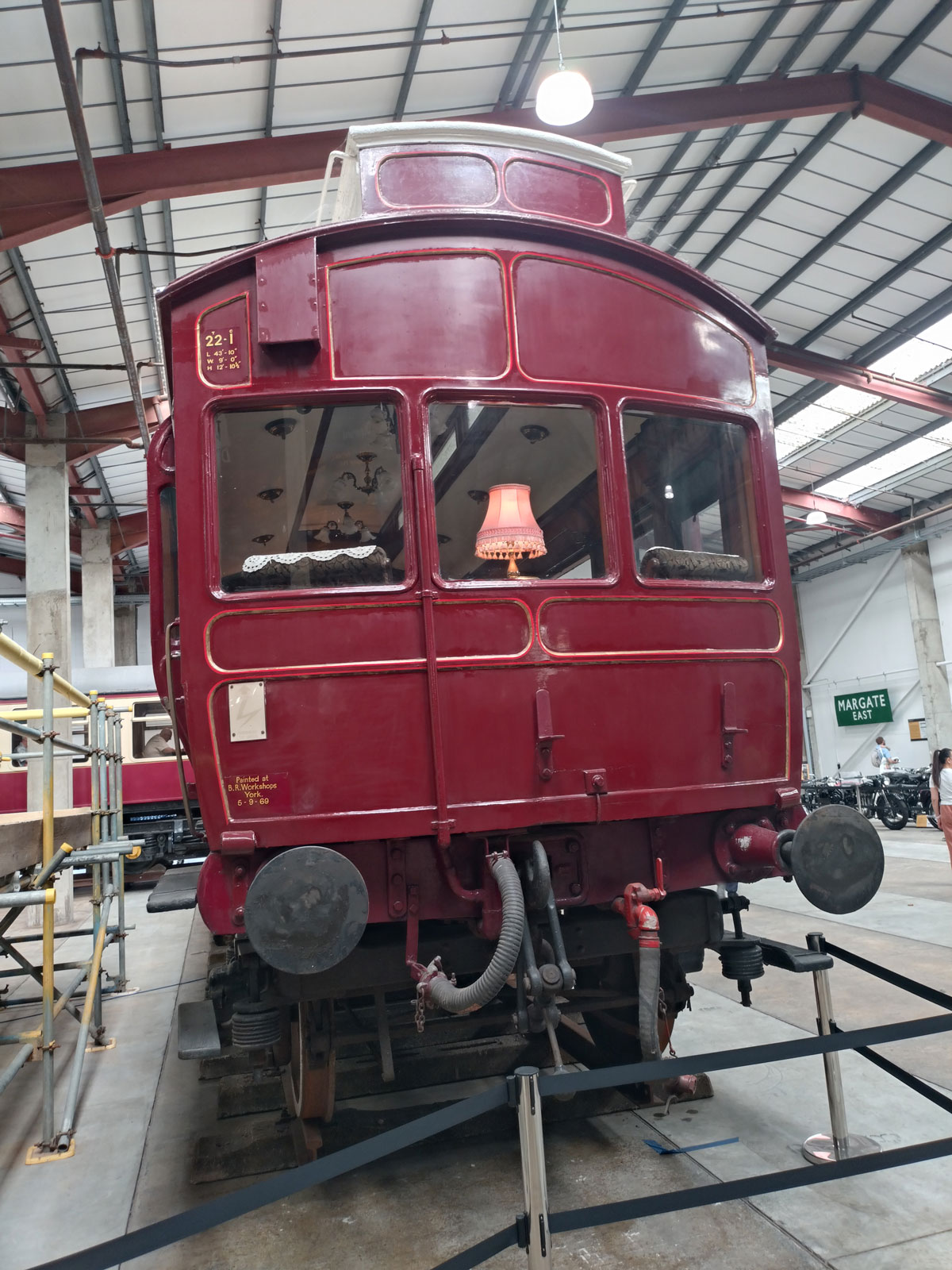
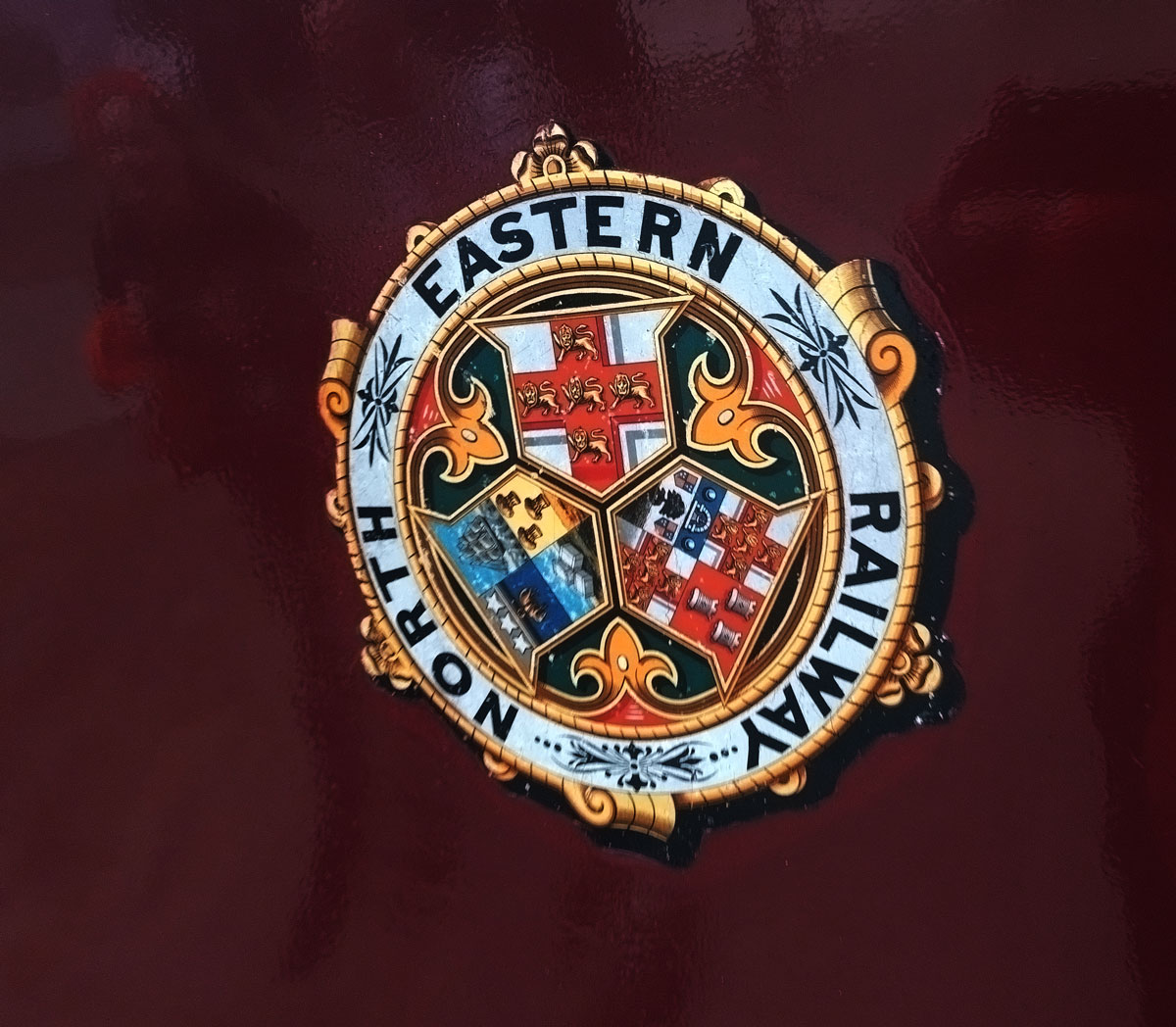
We (mostly) wanted to investigate the Collection for the design, for that Coronation observation coach, for the various bit of classic British Railways signage. Hey, we just wanted to get a close look at the slightly secretive collection, these rare and exciting pieces of rail and engineering history that have been and are being “brought together for the first time in Margate, Kent, by Locomotive Storage Ltd, with some vehicles in the collection painstakingly restored to museum quality” – it does feel like a slightly (only slightly) smaller version of York’s National Railway Museum here on the Kent coast, it might be off our usual Organ tracks but then who doesn’t love the art of a Gil Sans typeface on the side of a locomotive?
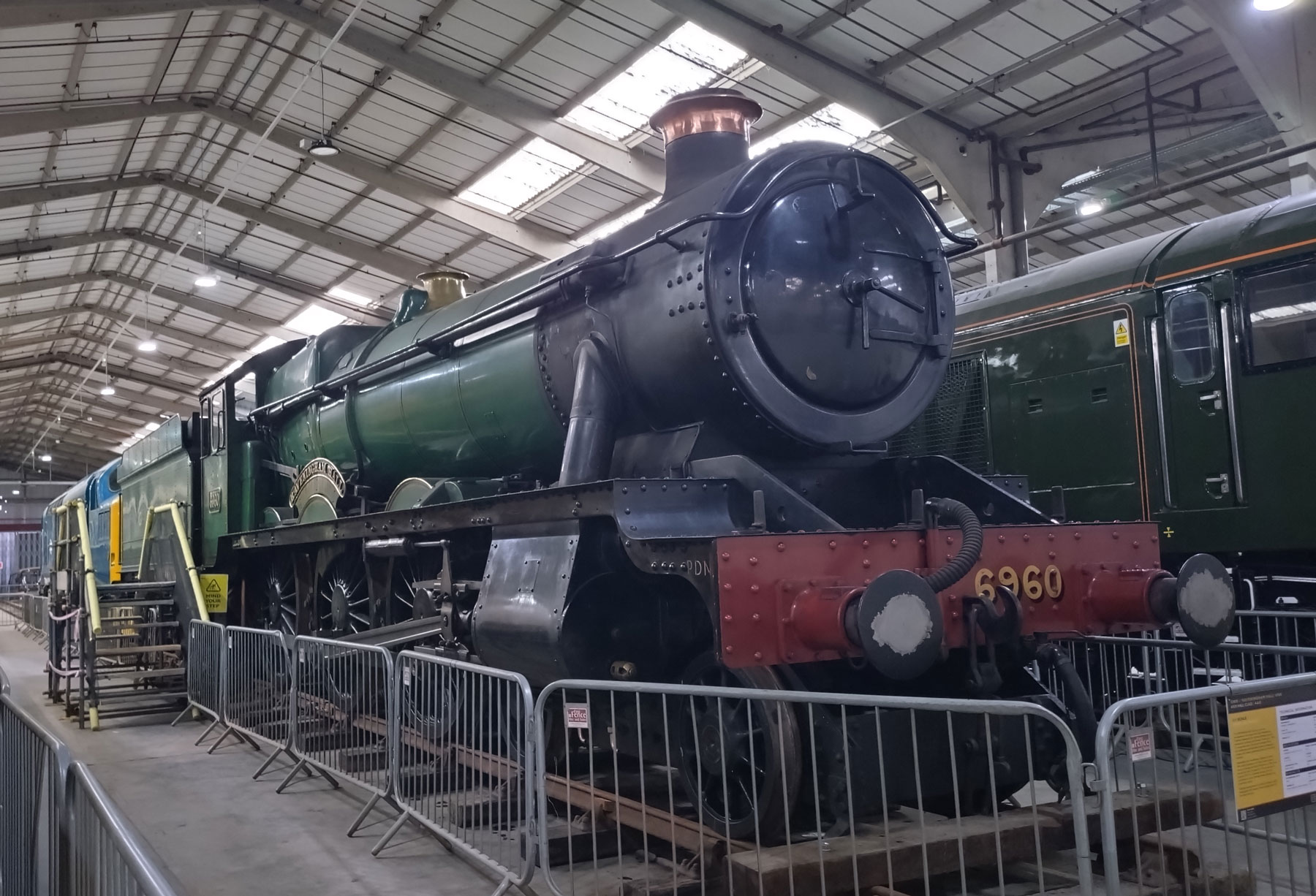
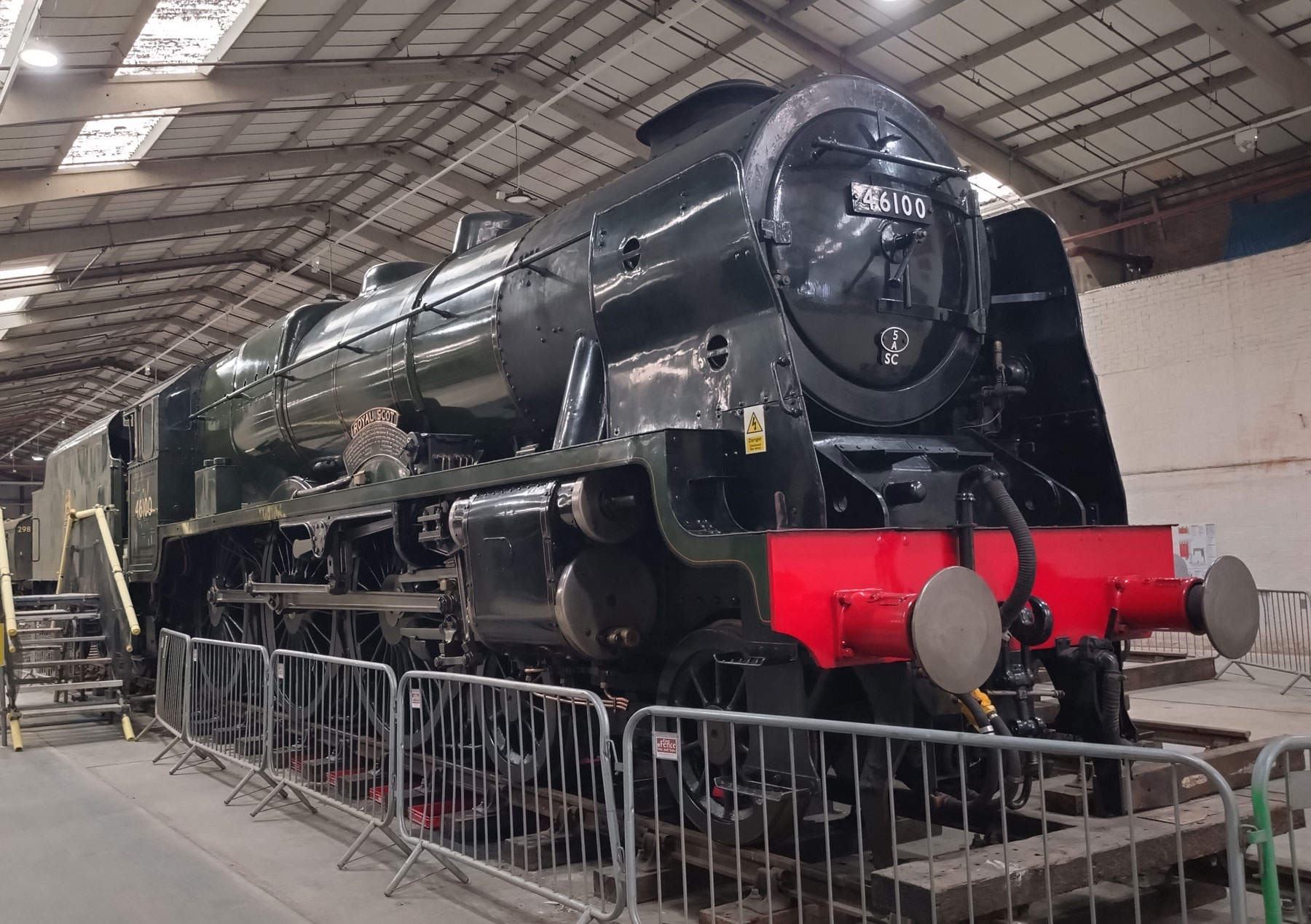
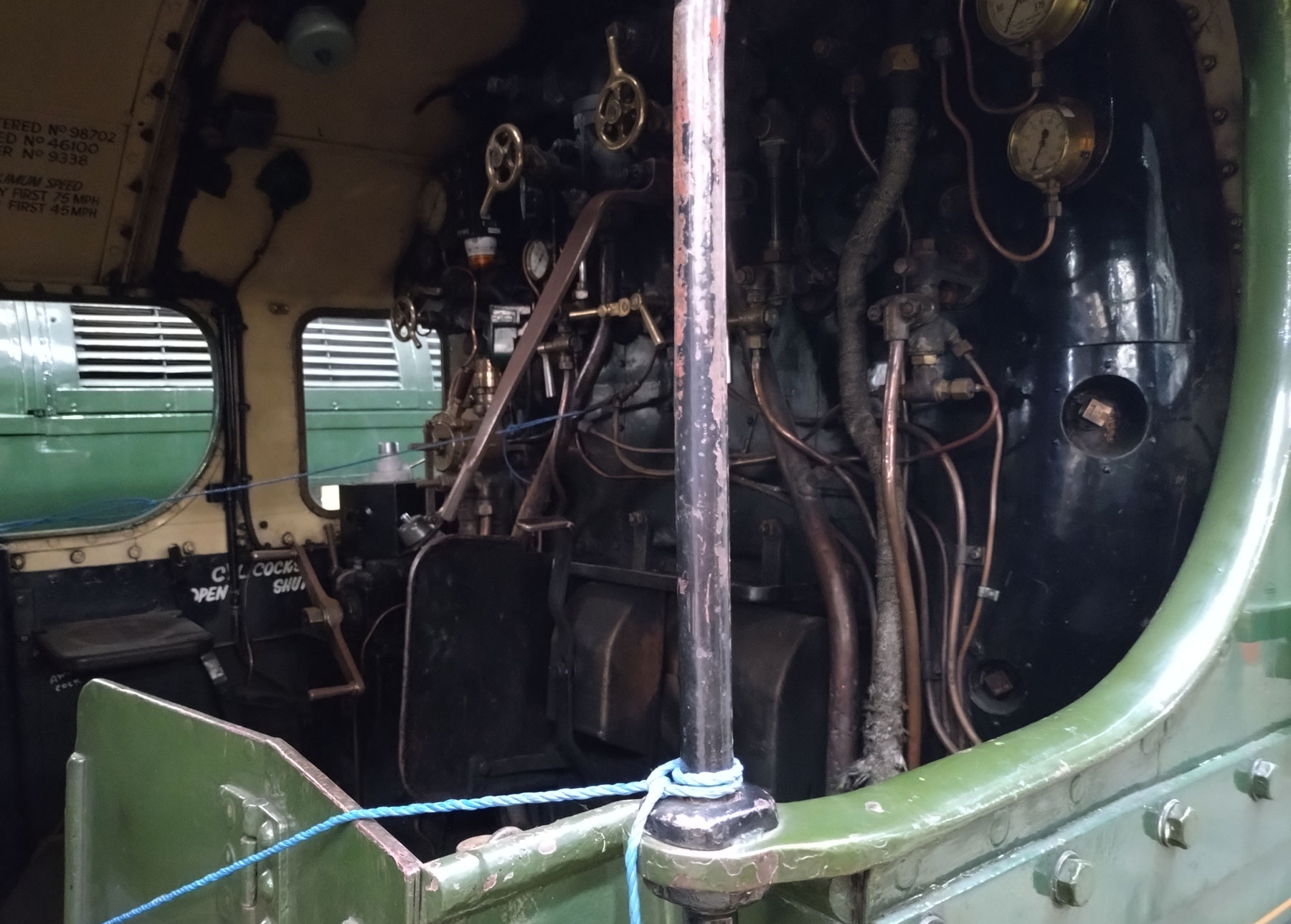
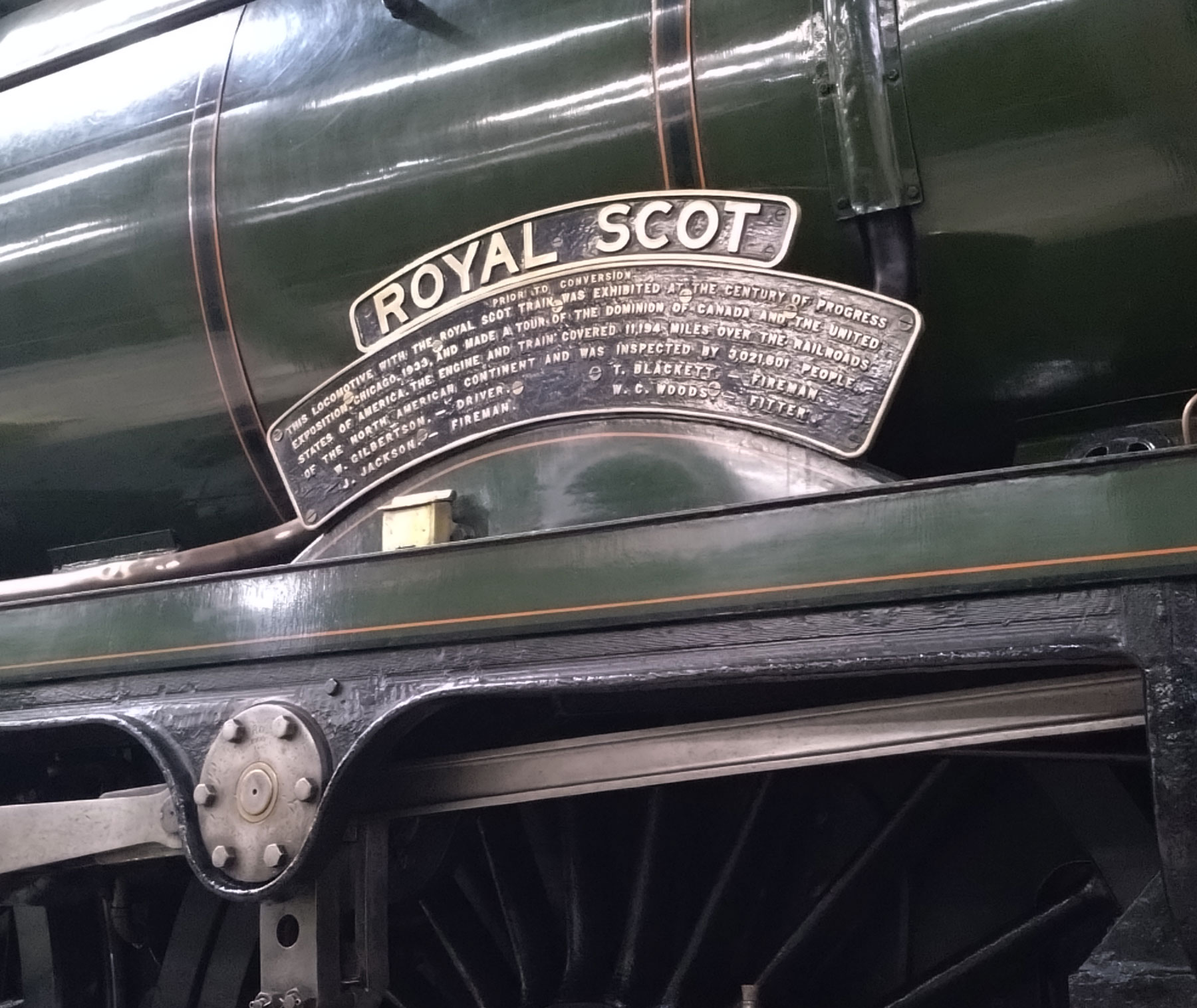
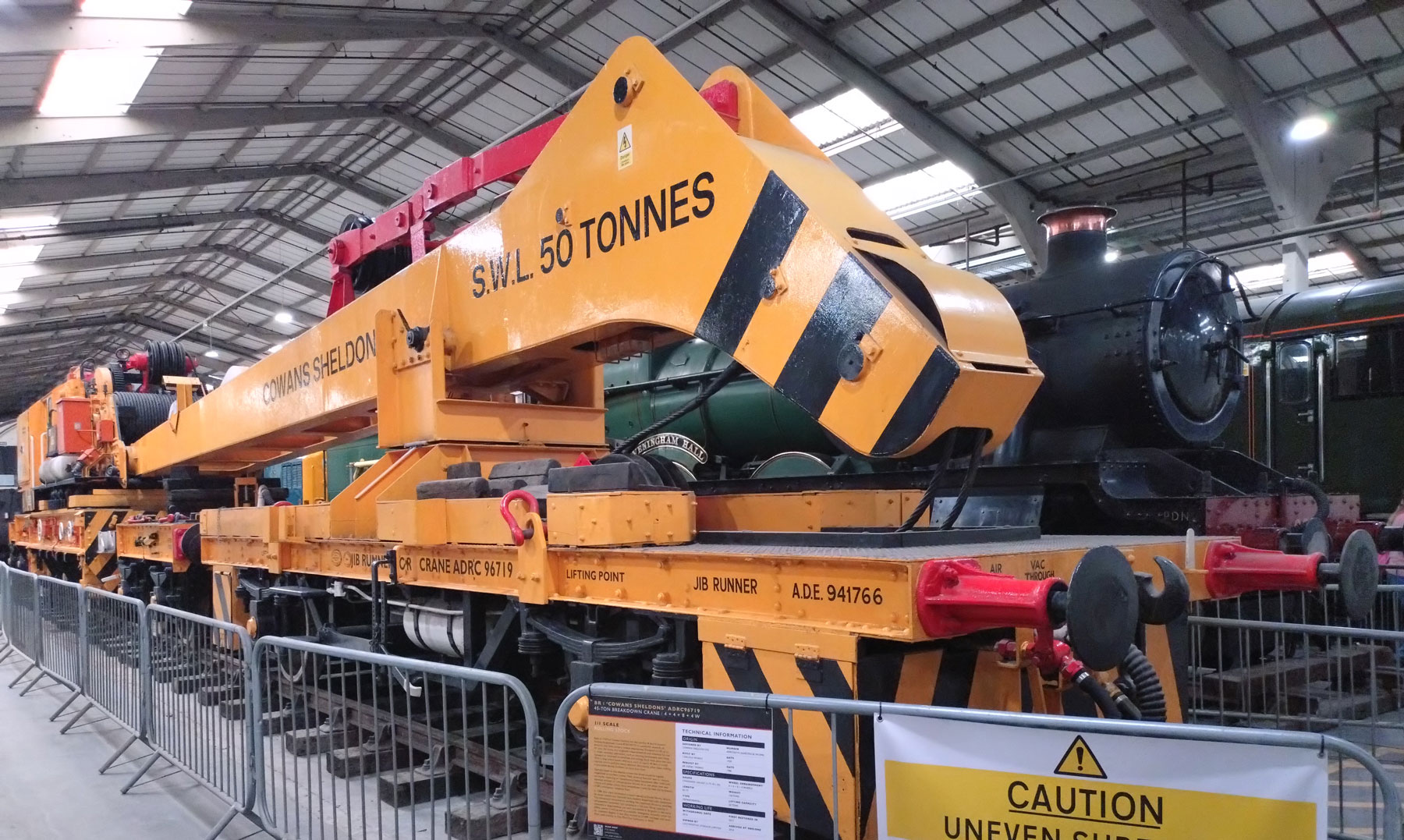
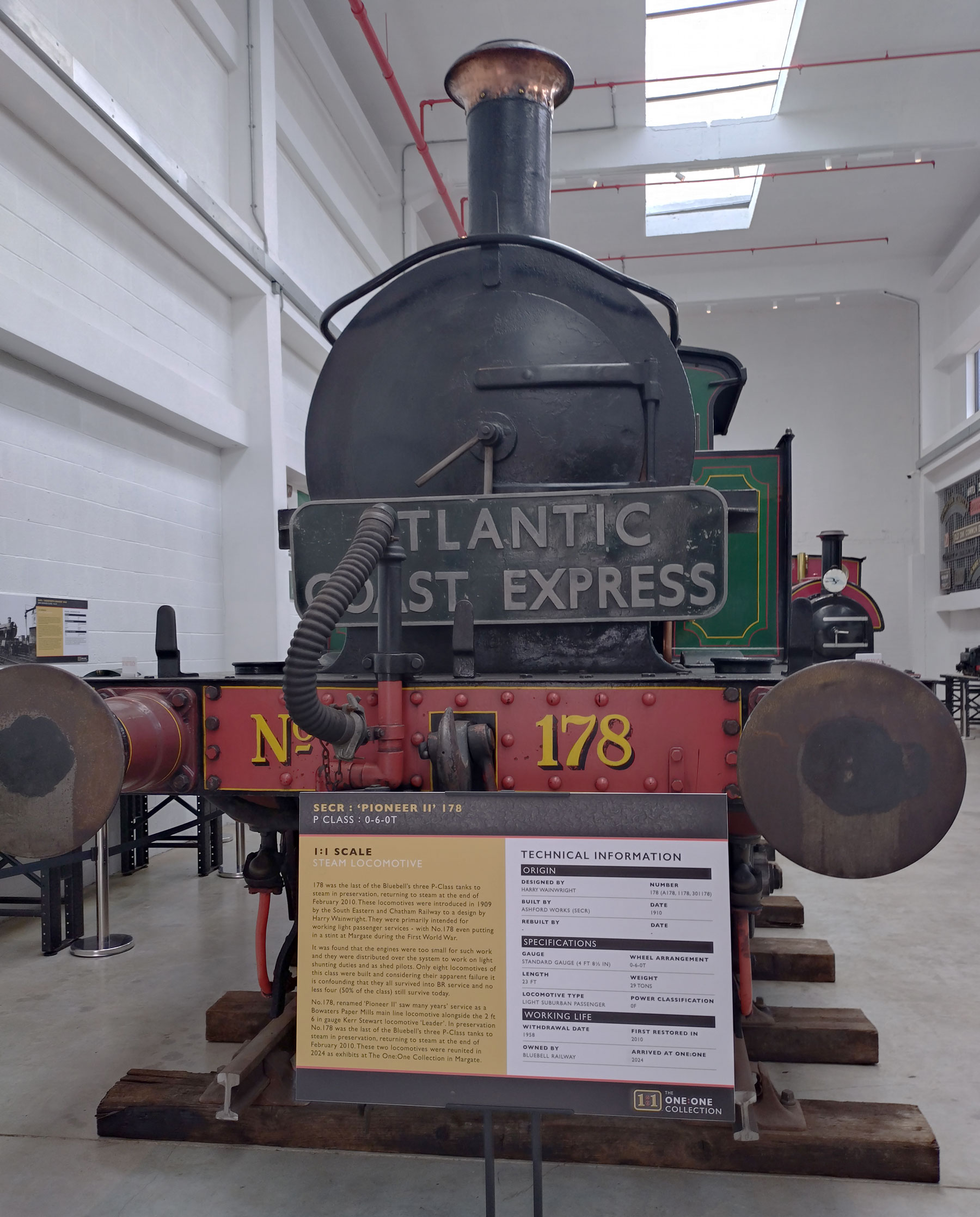
Not all of the One:One Collection is here, some of it is out there pounding the mainlines while at the same time some of the collection here is owned privately or by various groups and some by organisations like the Royal Scot Locomotive and General Trust (The Royal Scot itself is here in the building at the moment). Quite a bit of the One:One Collection’s pieces are based at other railway locations around the UK, notably Crewe and in that shed in Southall that you can spot from the Lizzy Line.
They say that the creation of The One:One Collection as a visitor attraction in Margate will hopefully give the general public the opportunity to view these pieces of history properly once the space is open to the general public on a regular basis. At the moment the Collection can only be viewed at their annual open weekends (of which this, the day of our visit, was the second of the yearly openings in conjunction with Hornby) or it can by viewed by appointment by organised groups. Apparently the logistics involved in opening the space full time are big, the cost of staff and such a little daunting at the moment, it does really deserve to be open full time though, there are many treats to be found in the old Hornby factory, this is a proper national museum collection, an excellent one and it is an excellent space that will mean so much to so many people –
“When looking for a space big enough to house these historic icons, we were thrilled to have the chance to put them on the site that has been home to Hornby since the 1950s. So, since 2018, The One:One Collection has been taking shape in some of Hornby’s original warehouses…”
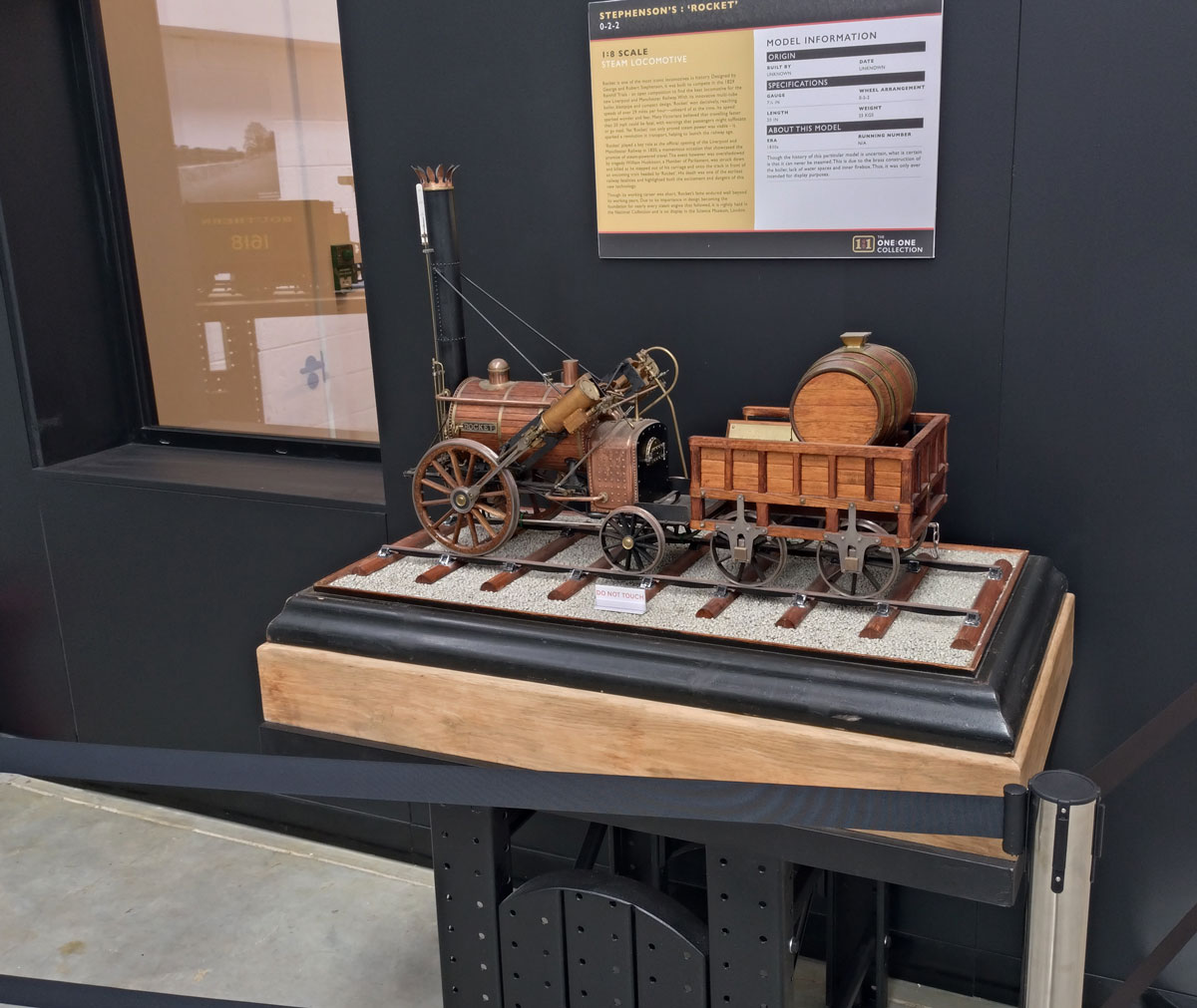
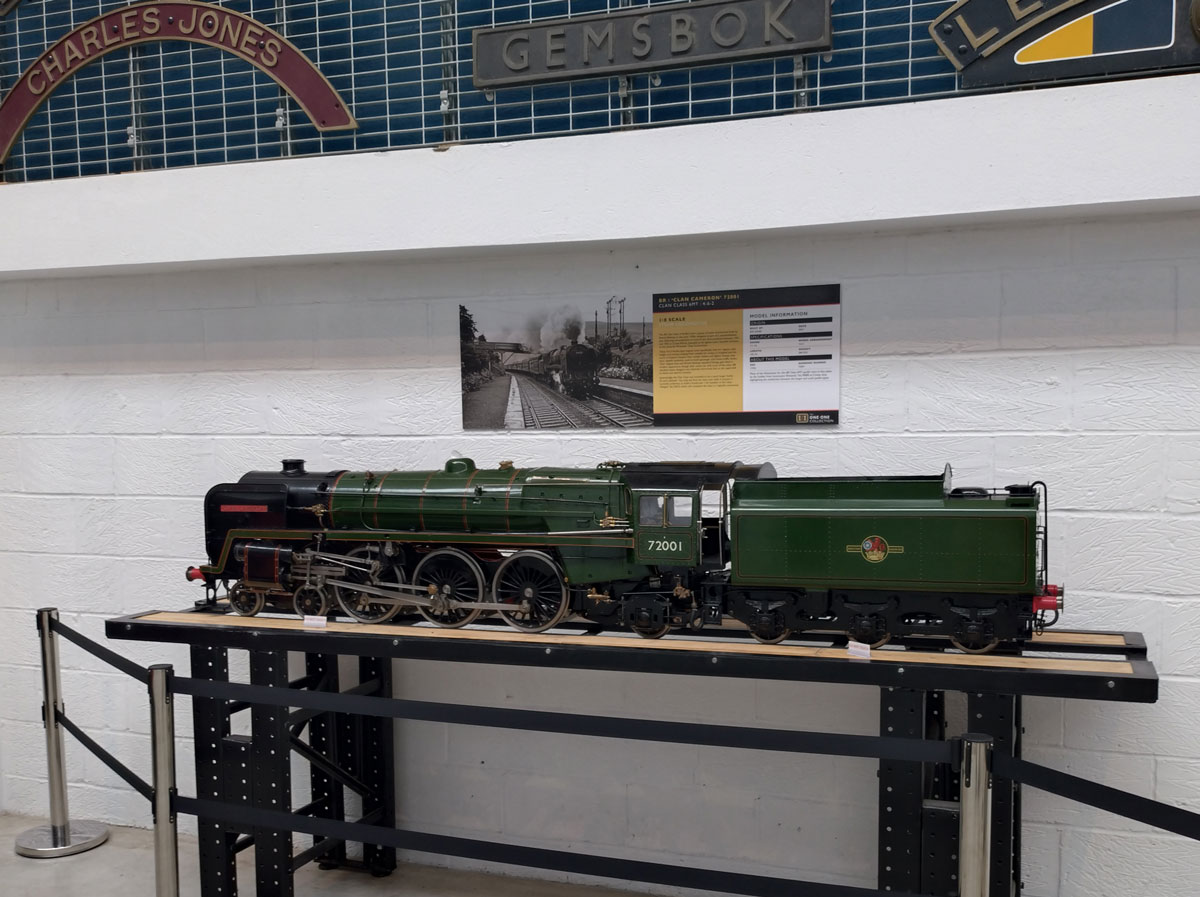
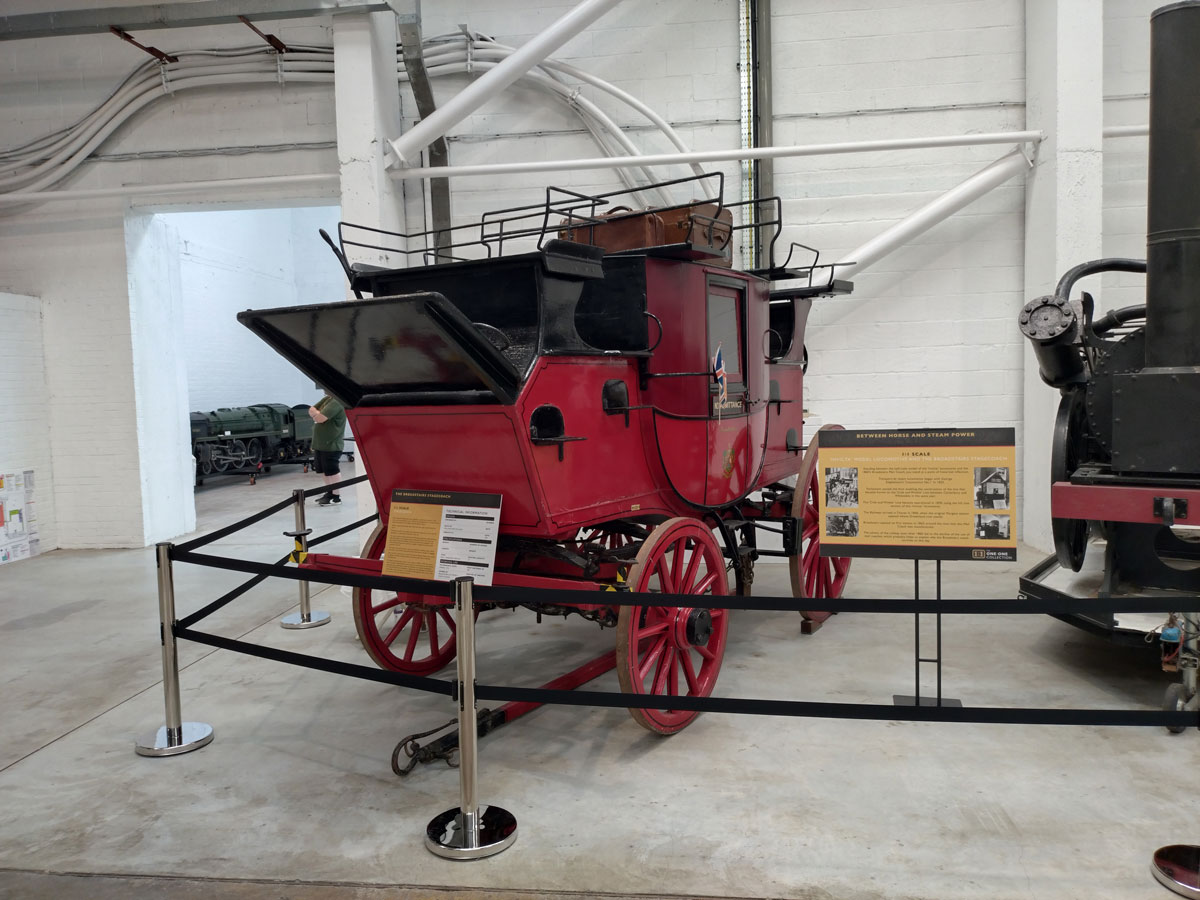
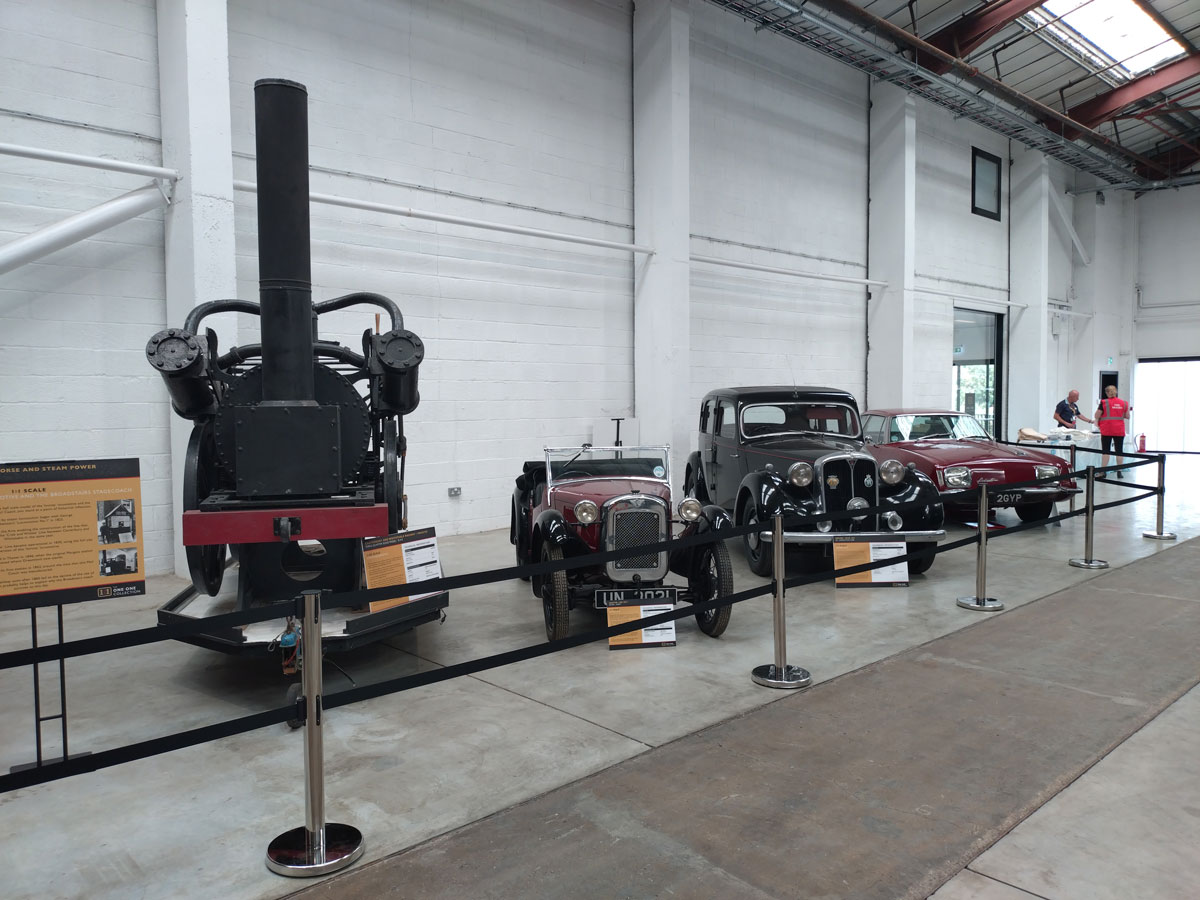
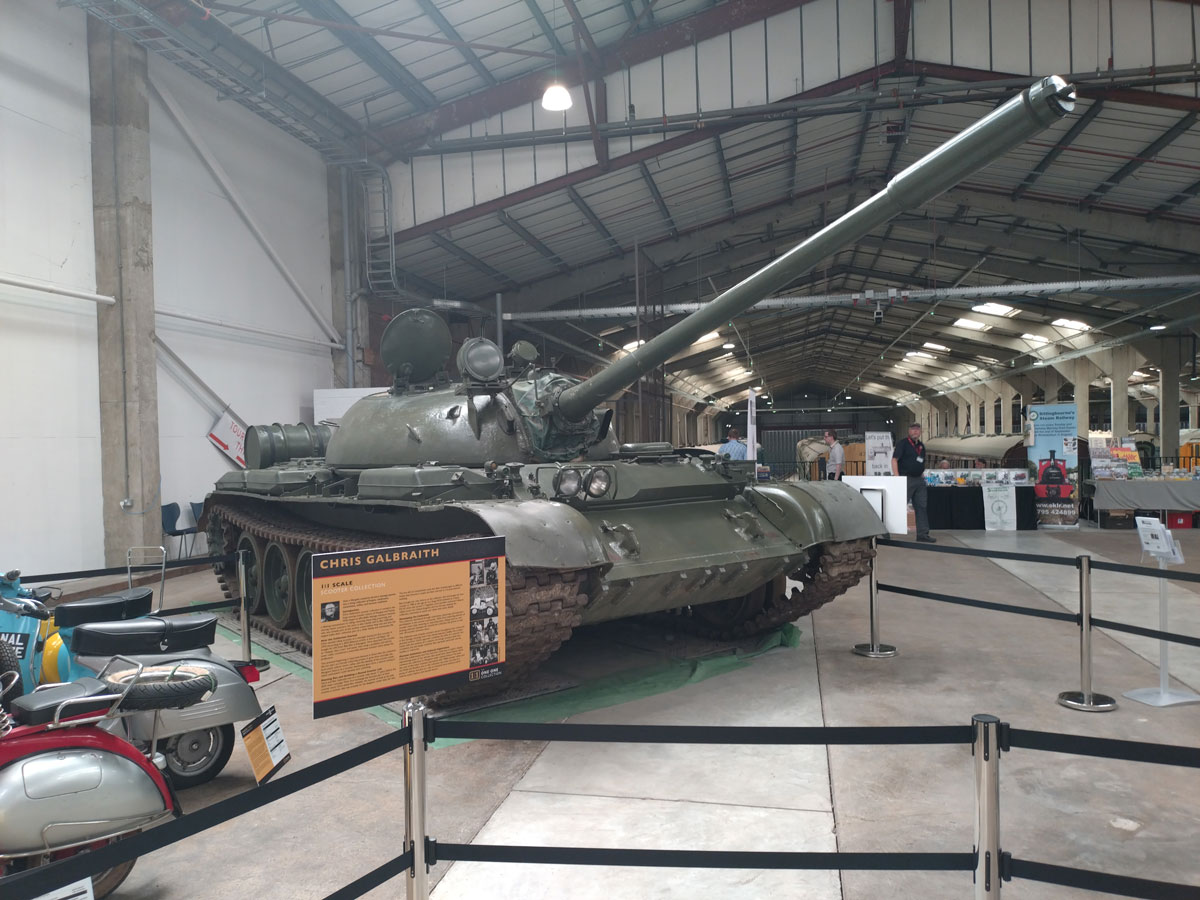
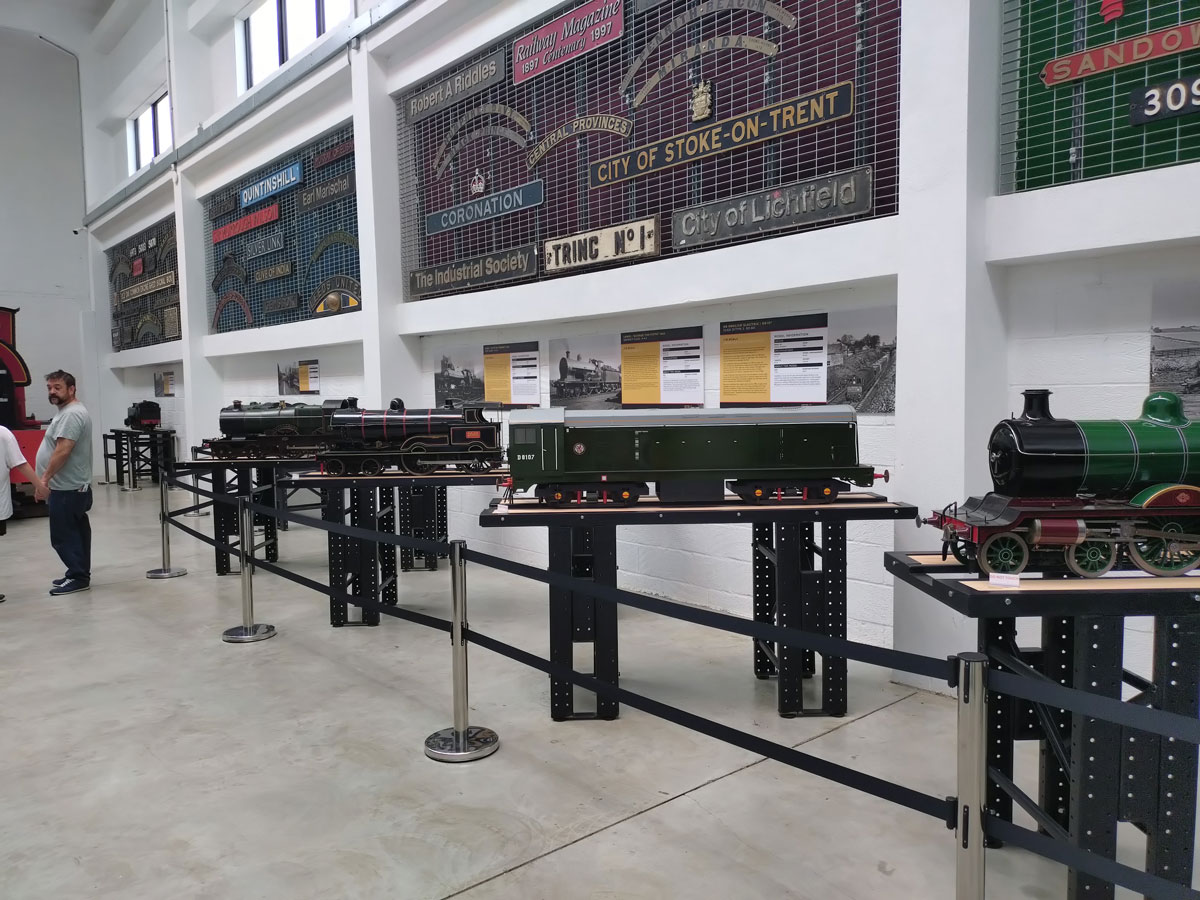
By the way, if you haven’t got the name yet, then the One:One Collection is a play of the 1.76 scale of Hornby trains or Airfix models, we are talking of 1:1 scale trains here although these aren’t models, these are the real things (and not just trains. there is a classic car or two, a Russian tank, motorbikes, scooters and quite a bit more). Actually there are some fascinating larger scale railway models as well as the full size real life beasts, worth the visit just for the amazing collection of large scale diesel and steam models.
The highlight has to be that beautiful blue coronation coach, actually no, there are lots of highlights in here, it is hard to pick one, there’s a Deltic over there for heavens sake (just run the title sequence and the music to Get Carter (the 1971 Mike Hodges masterpiece of a film starring Michael Caine and think of that run up the East Coast mainline to Newcastle and Scotland). Actually some of the highlights might not be obvious, there is a lot to explore, the curators of this collection haven’t always gone for the expected.
Here’s our picks, highlights and standouts from what was a rather brilliant, way too short, much appreciated couple of hours of exploring things to be found in thew One:One Collection at the the old Hornby factory in Margate then…
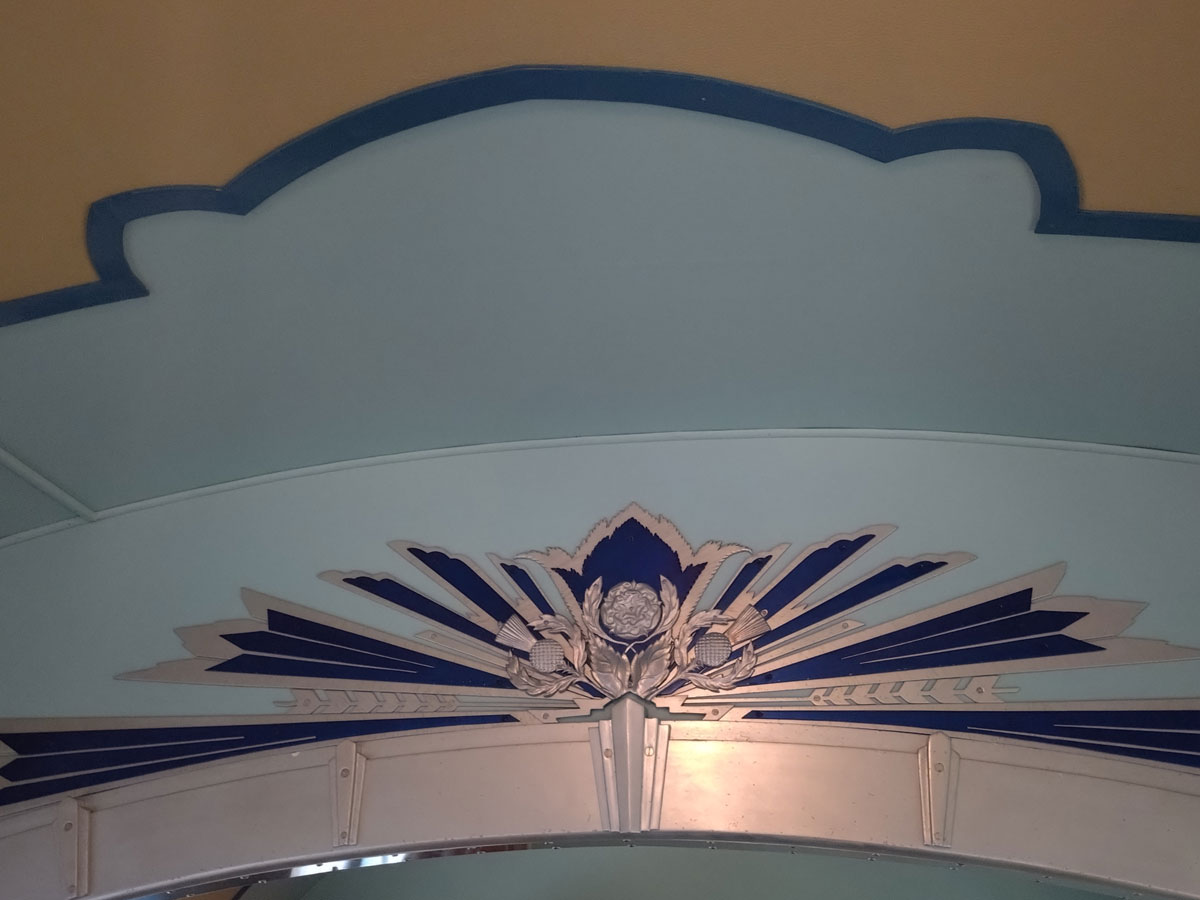
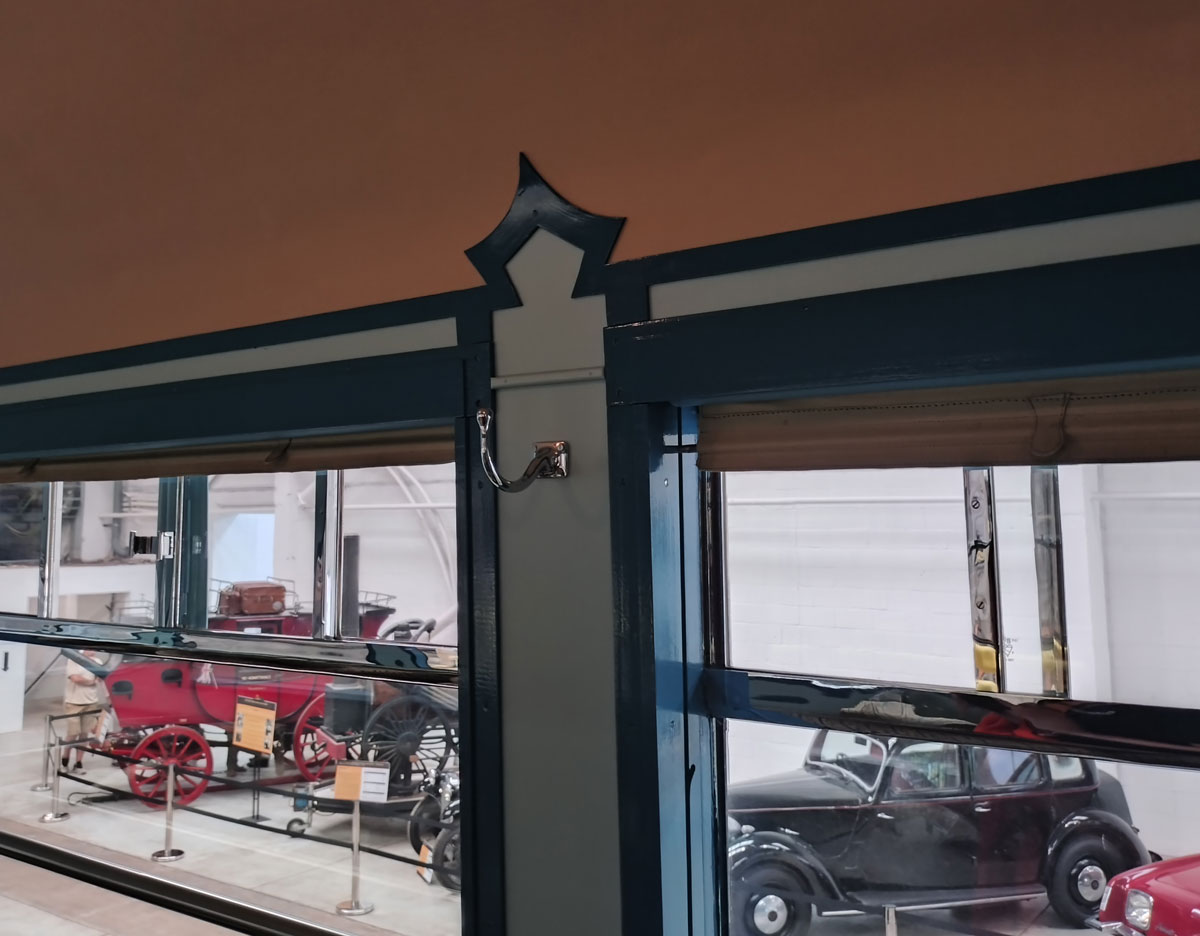
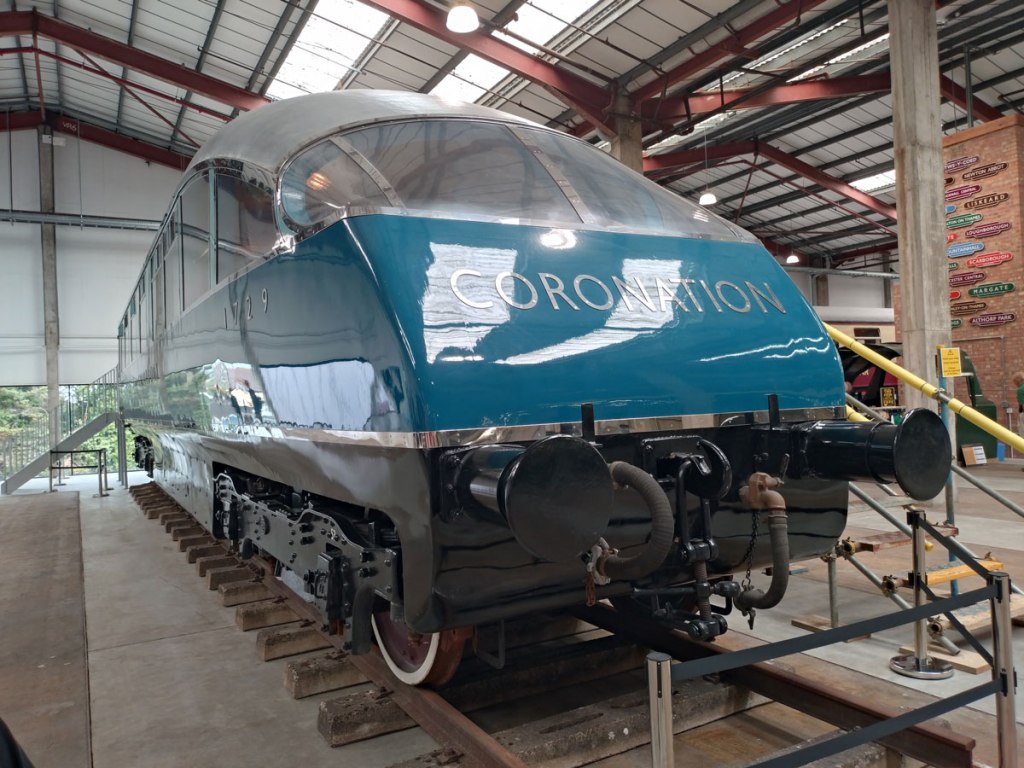
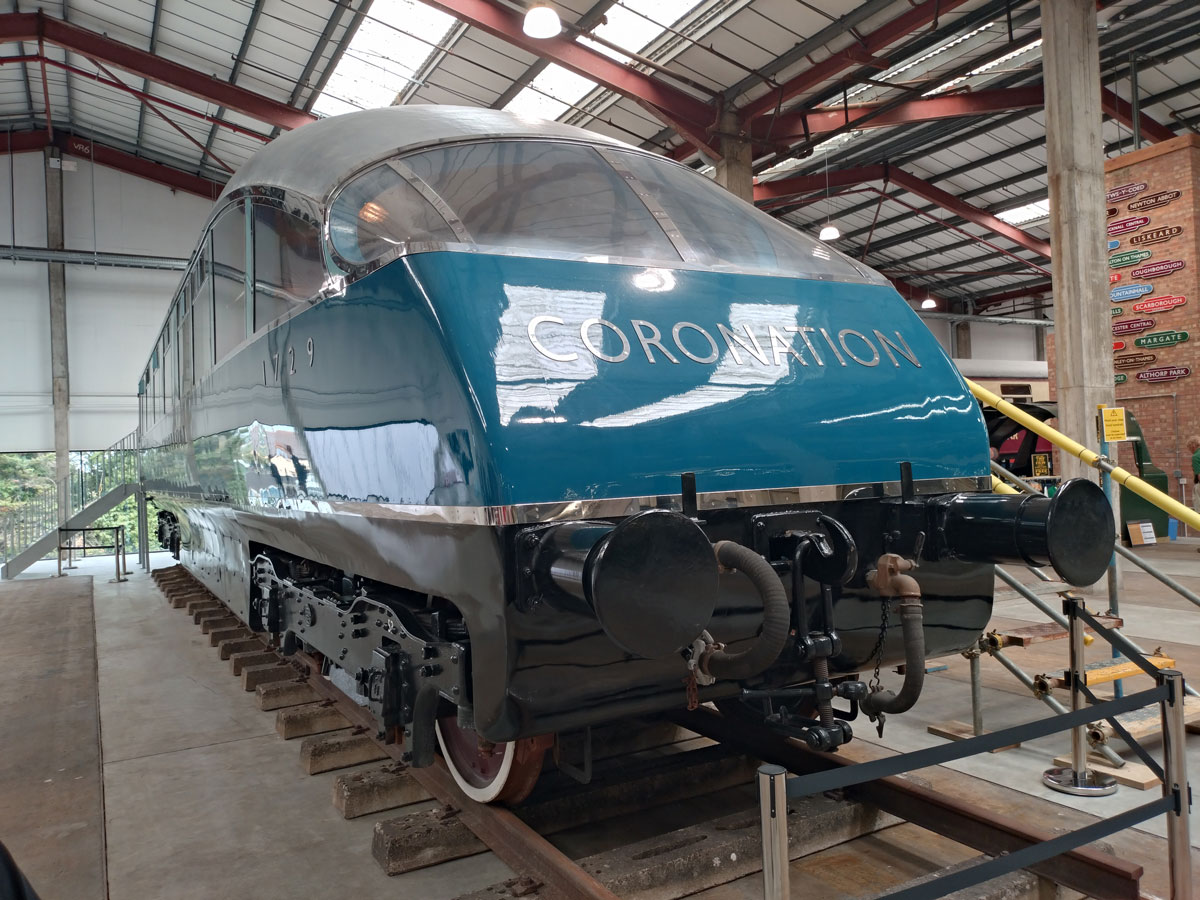
1: CORONATION ‘BEAVERTAIL’ No. 1729 – It really is a beautiful piece of Art Deco, and it has been loving restored to the original 1937 state, it is worth the visit to Margate just to see it. Number 1729 ‘Beavertail’ is a rare survivor from the 1937 ‘Coronation’ streamlined expresses, an observation carriage designed by the great railway designer Sir Nigel Gresley to streamline the rear of the train as well as the front. Greasley’s vision was the pairing of the Beavertails with the iconic (and for once we are right to use that annoyingly overused word) and rather beautiful blue (record breaking) A4 locomotives such as ‘Bitten’ or ‘Mallard’ that ran up the East Coast pre and post war during that race and battle for style with the Wast Coast LMS expresses heading up the other side of the country to Scotland..
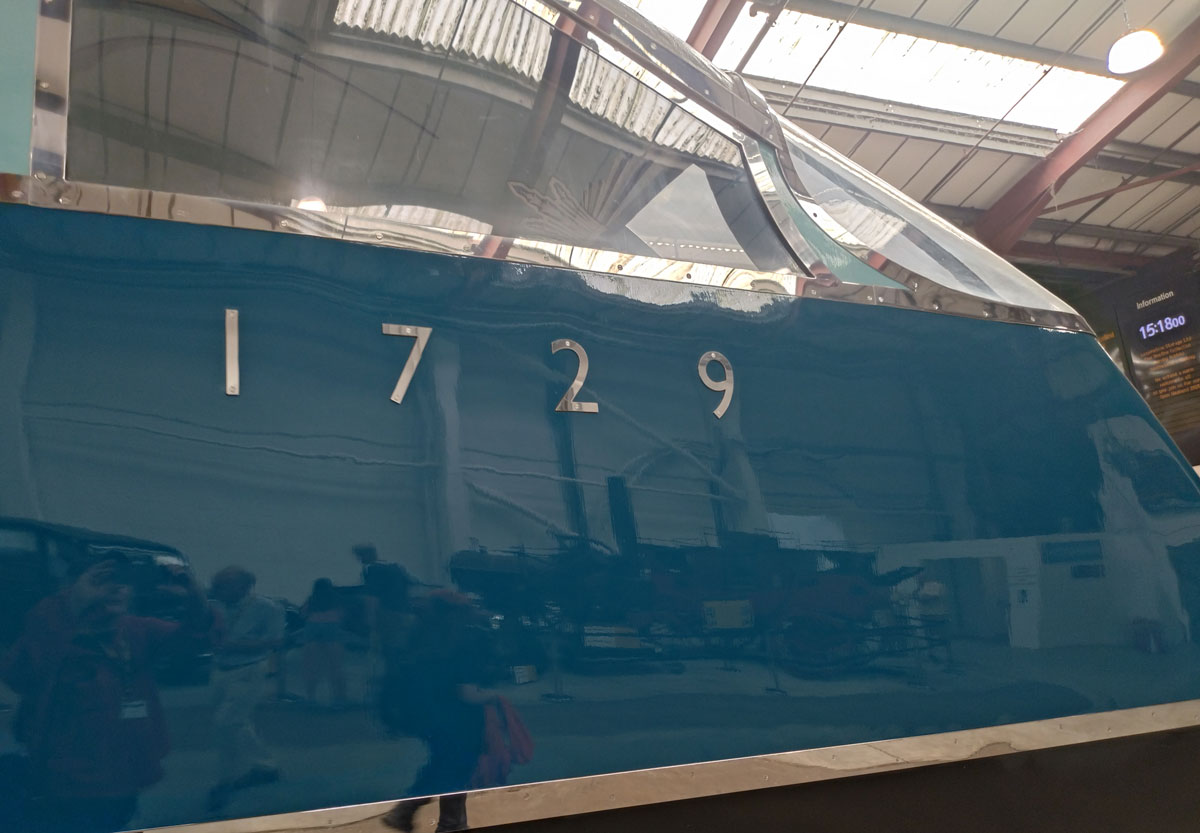
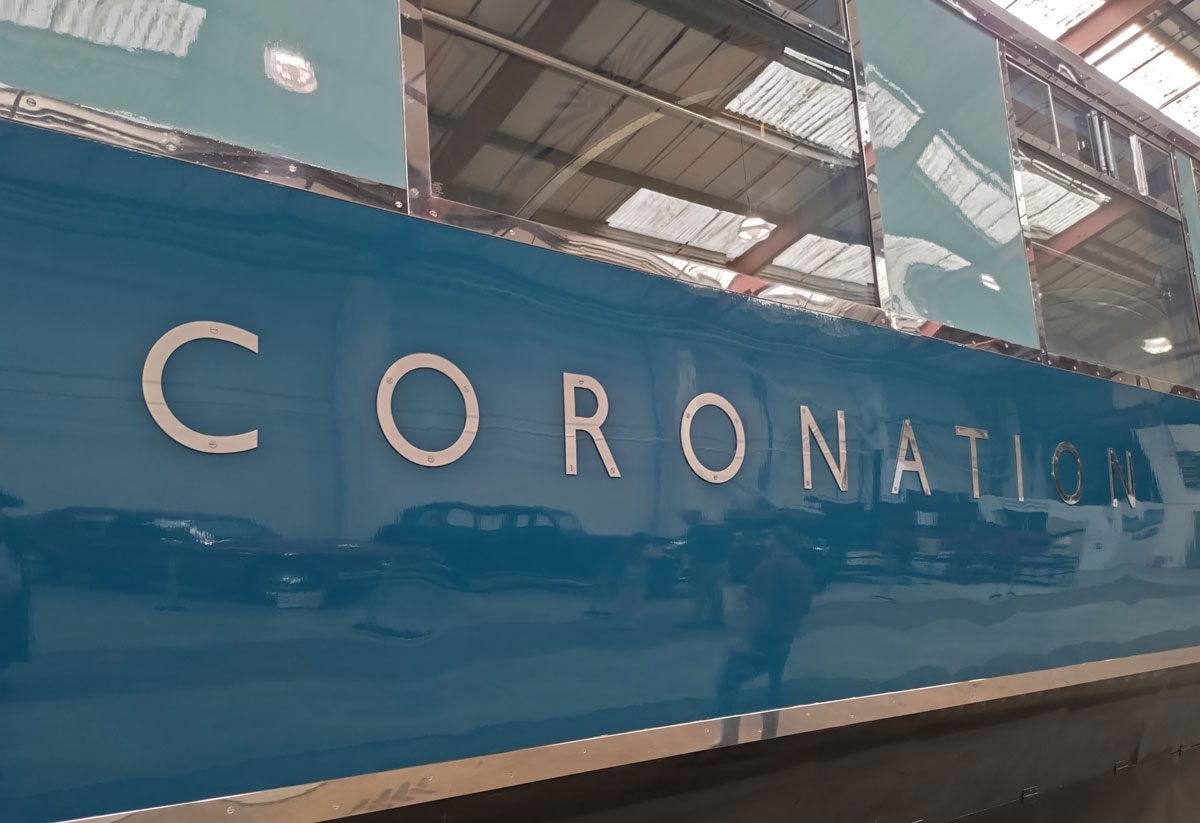
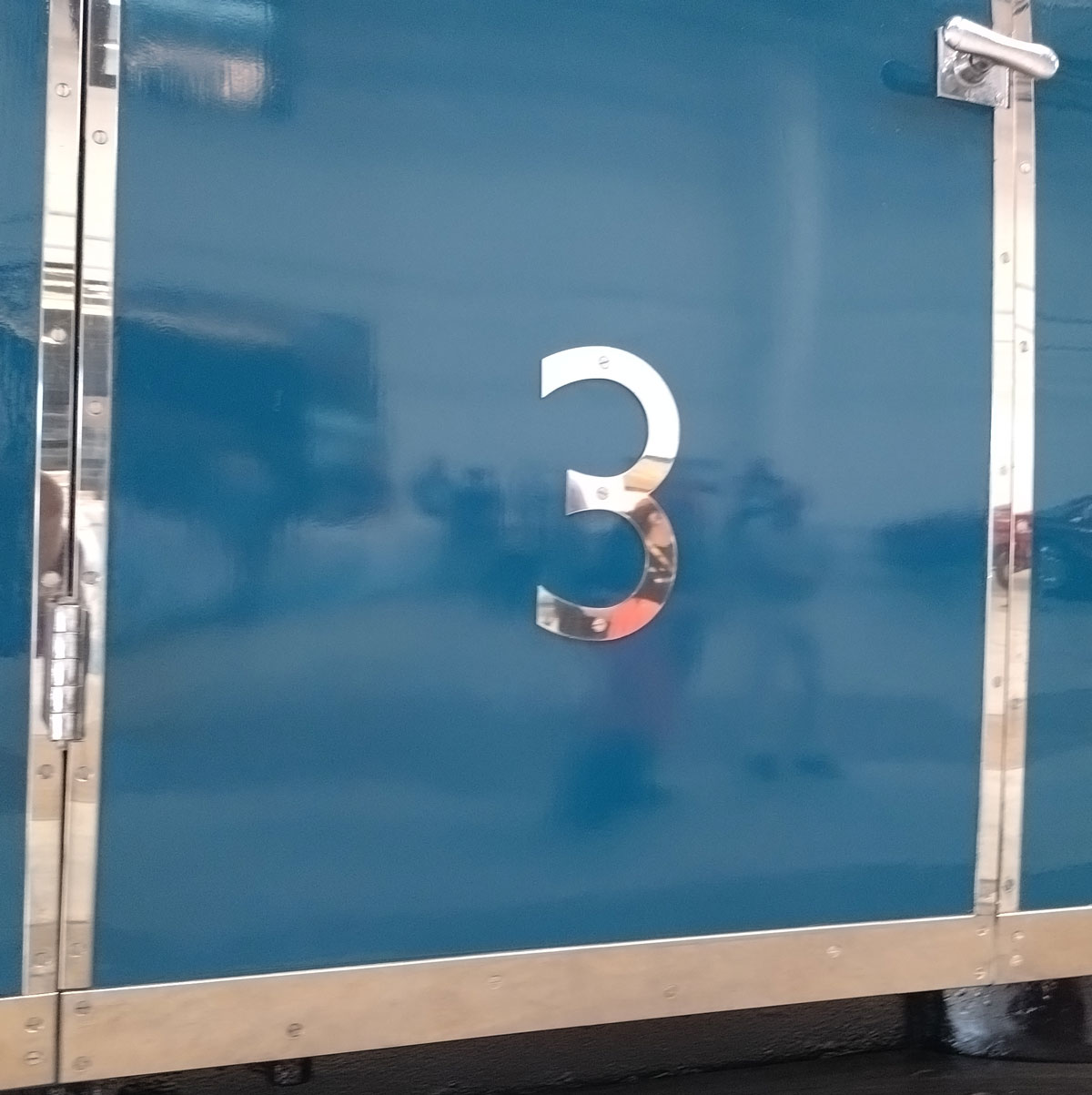
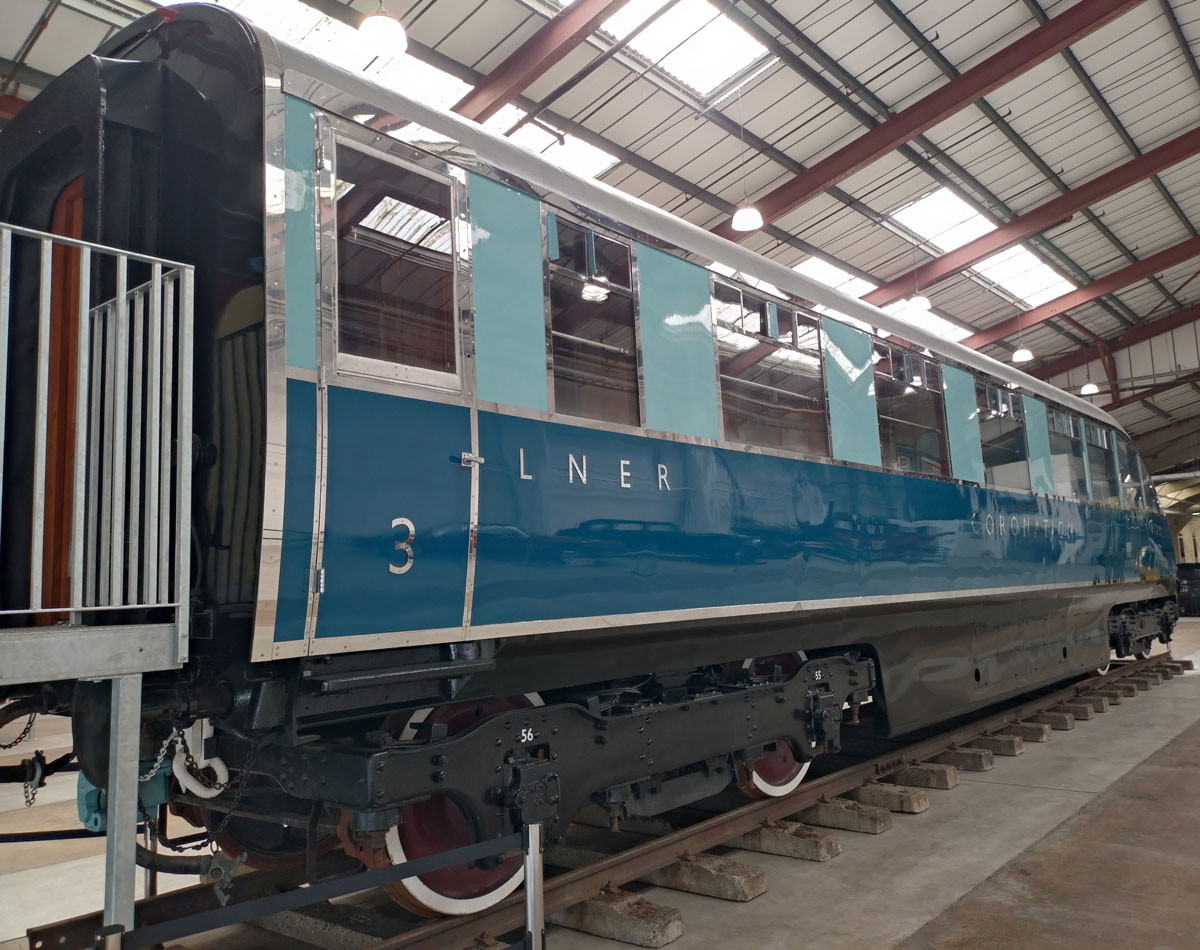
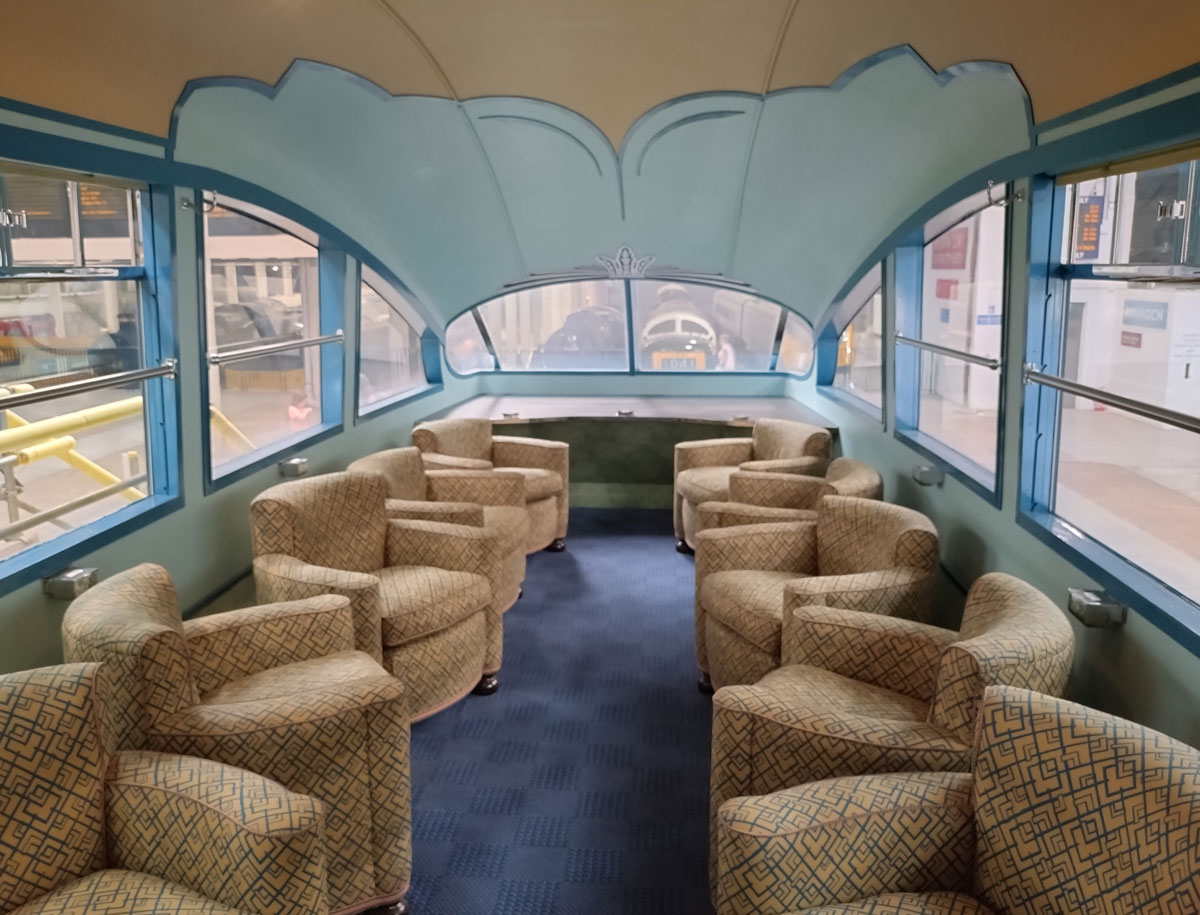
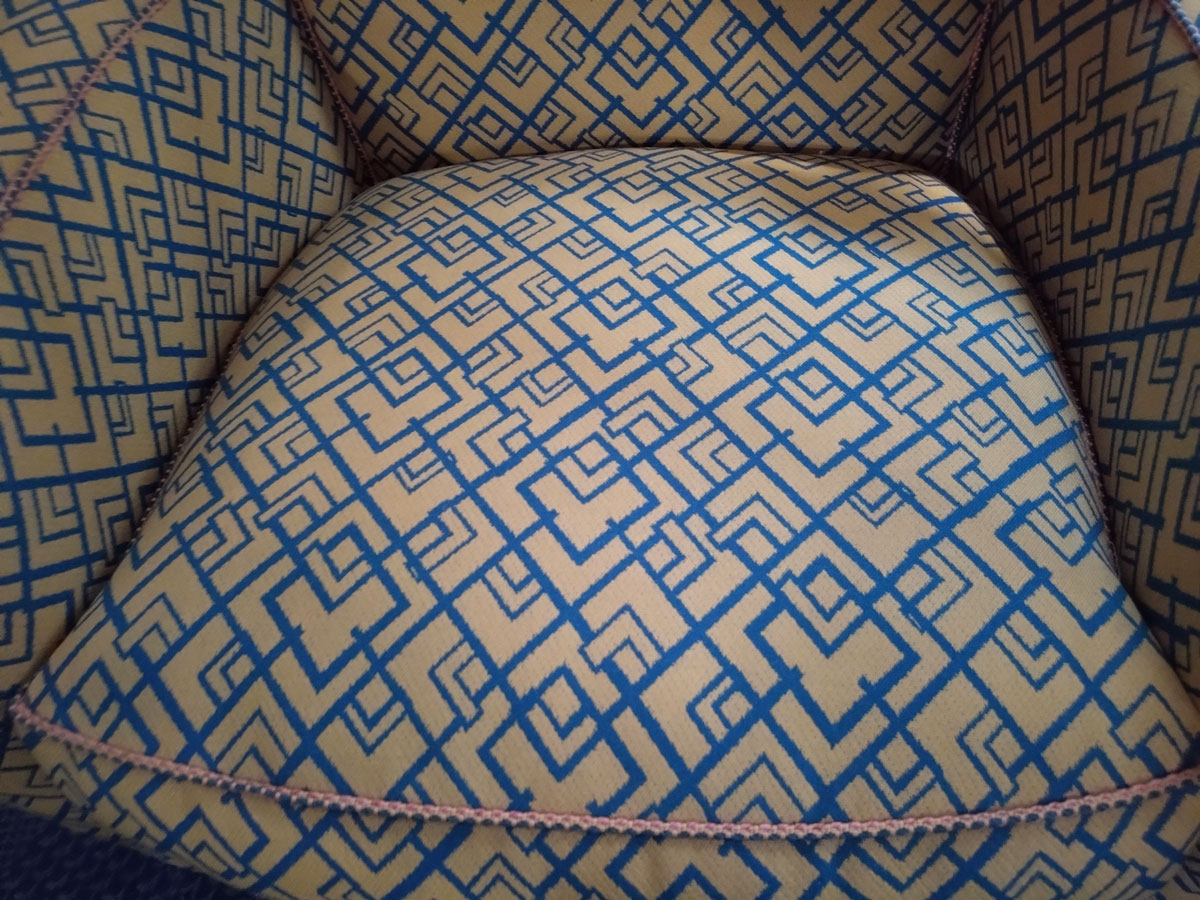
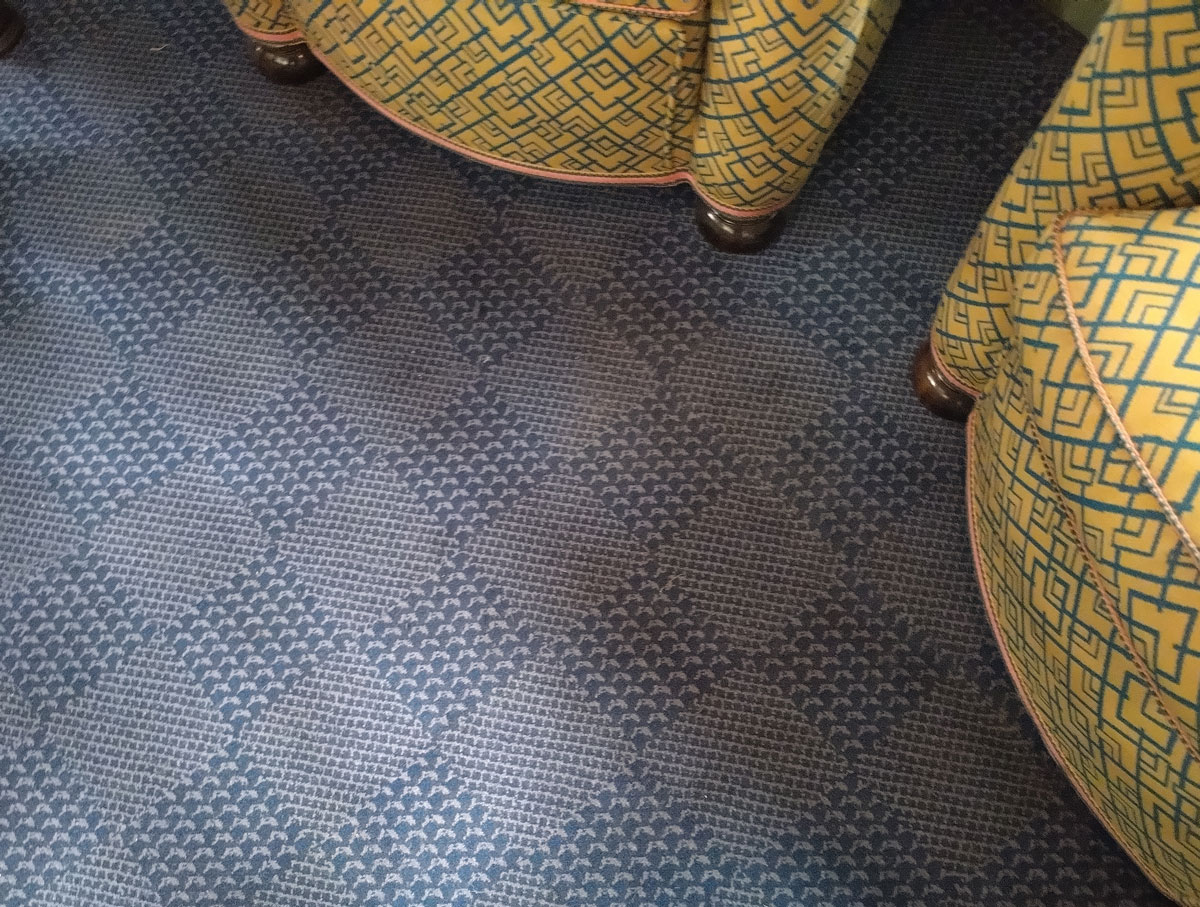
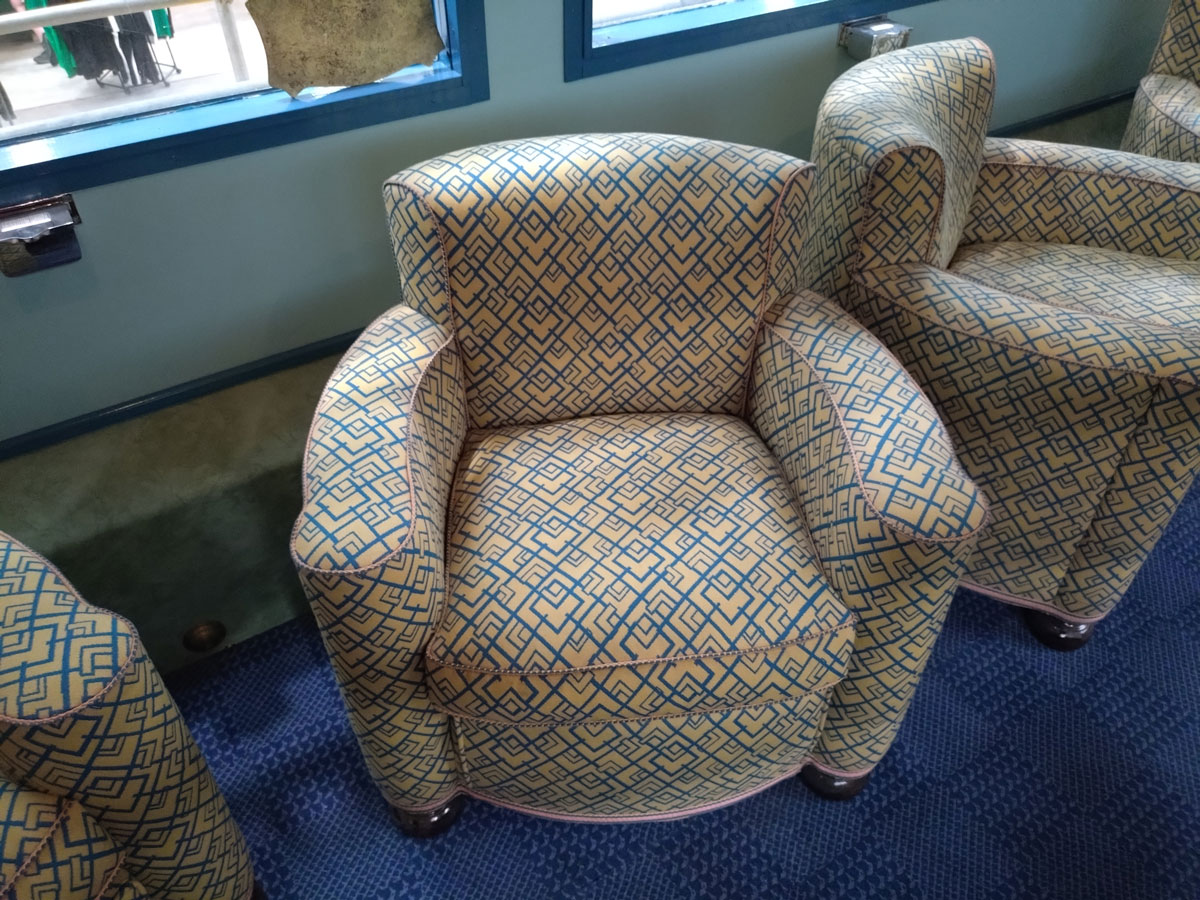
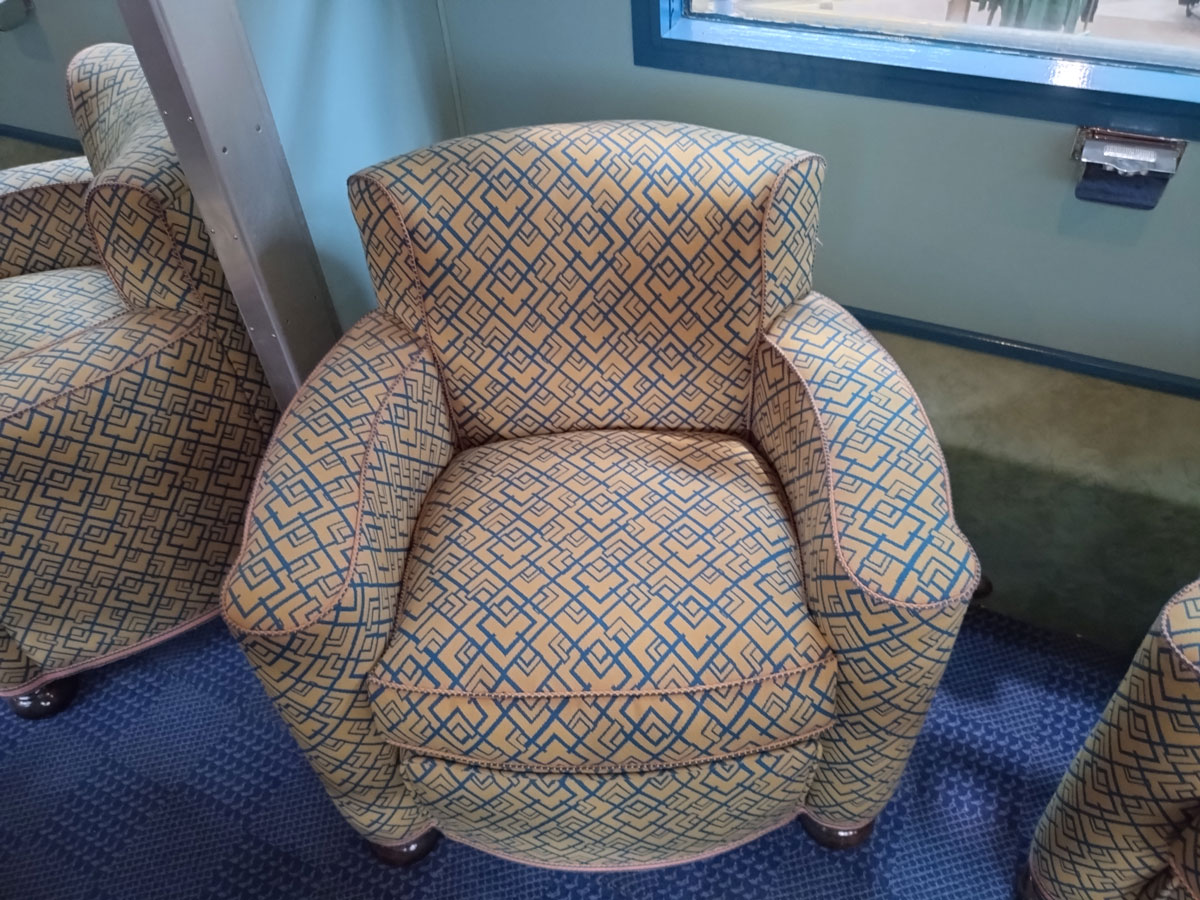
Beautifully lined and gorgeously finished in delicious two-tone blue LNER livery, “the ‘Beavertail’ embodied all the elegance and flair of this great age of steam on British railways. Just two were ever built, Nos. 1719 and 1729, and when WWII intervened they were quickly split up, ending up, in 1956, on the West Highland line”. The attention to detail of this coach is glorious, it a real celebration of the time, of Art Deco, of the hope of that age (of steam) before the destruction of war. The original interiors have been researched and faithfully reproduced and it really is a treat to be taken inside, to be indulged while we drool over the weave of the fabric on those chairs or the detail of the fittings above the window, of the carpet. It is a unique (and probably priceless) example of a both a glorious piece of Deco design and railway history, a real piece of art that more than deserved the proper restoration if has enjoyed. There is quite a backstory to the journey that has eventually brought the carriage to the perfect state it appears in here in Margate, the many hands it has passed through (as well as the painstaking removal of the asbestos). It really is a treat to see it safely housed here, glorious.
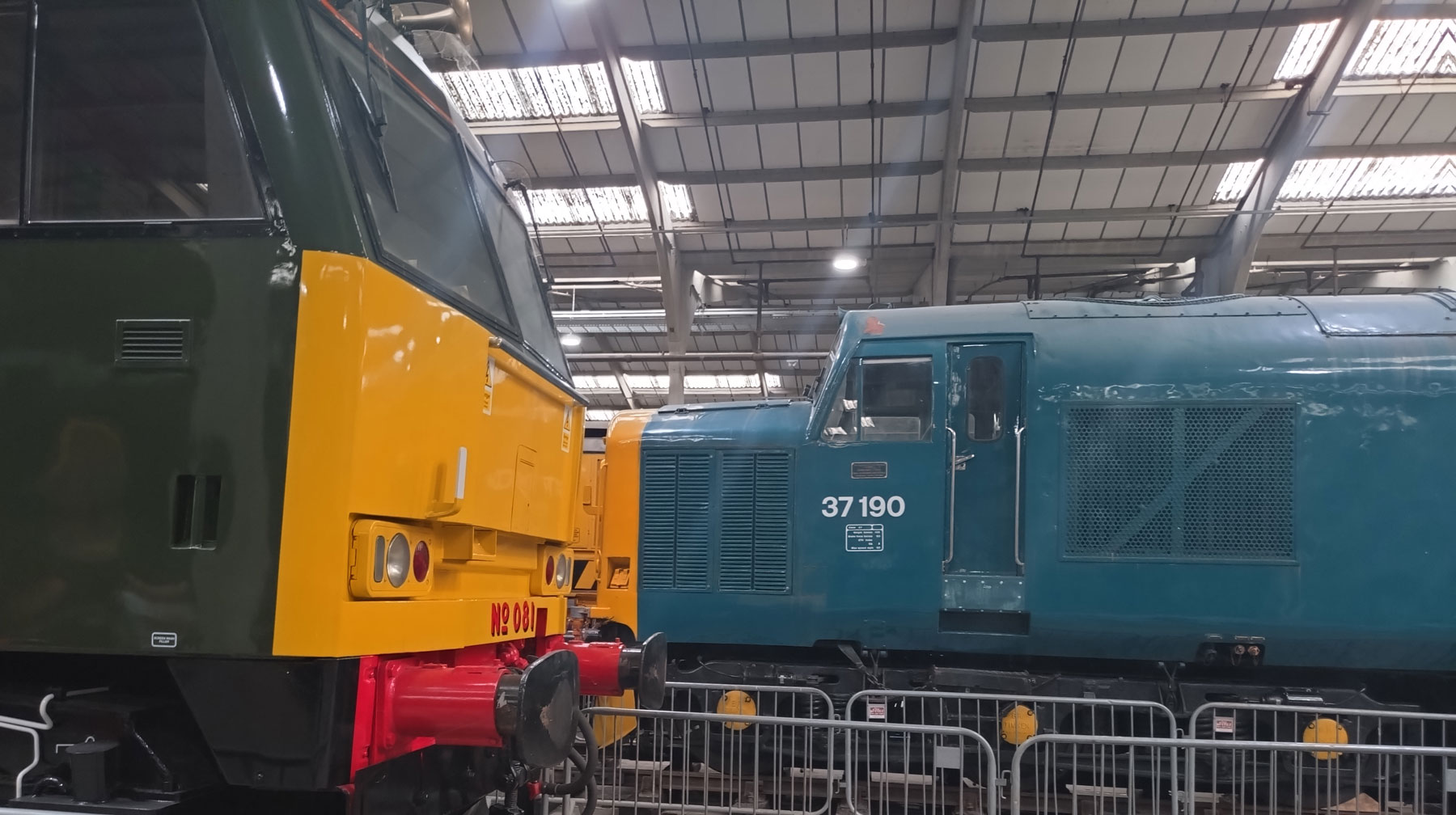
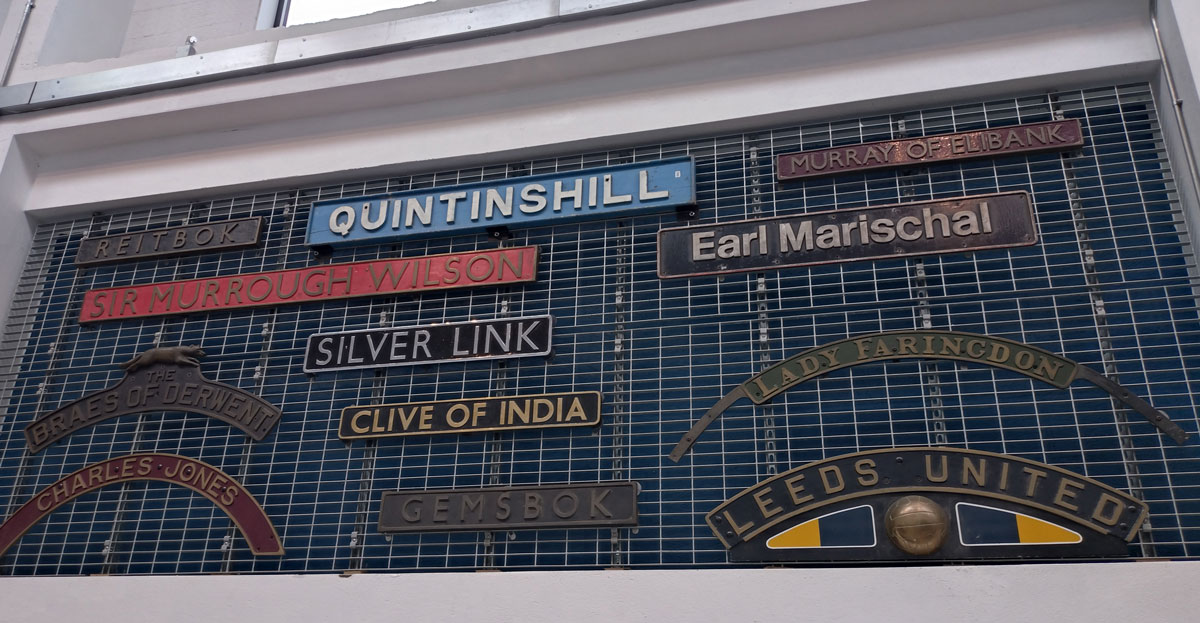
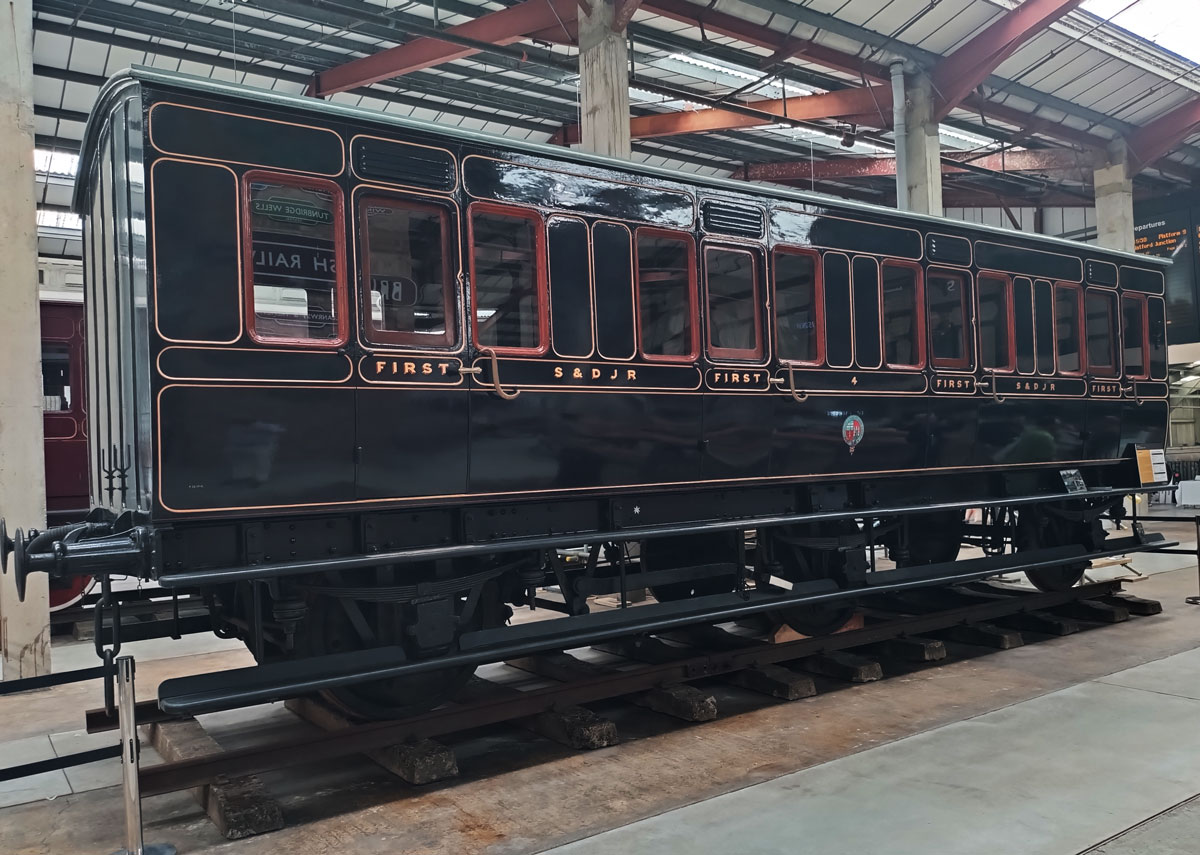
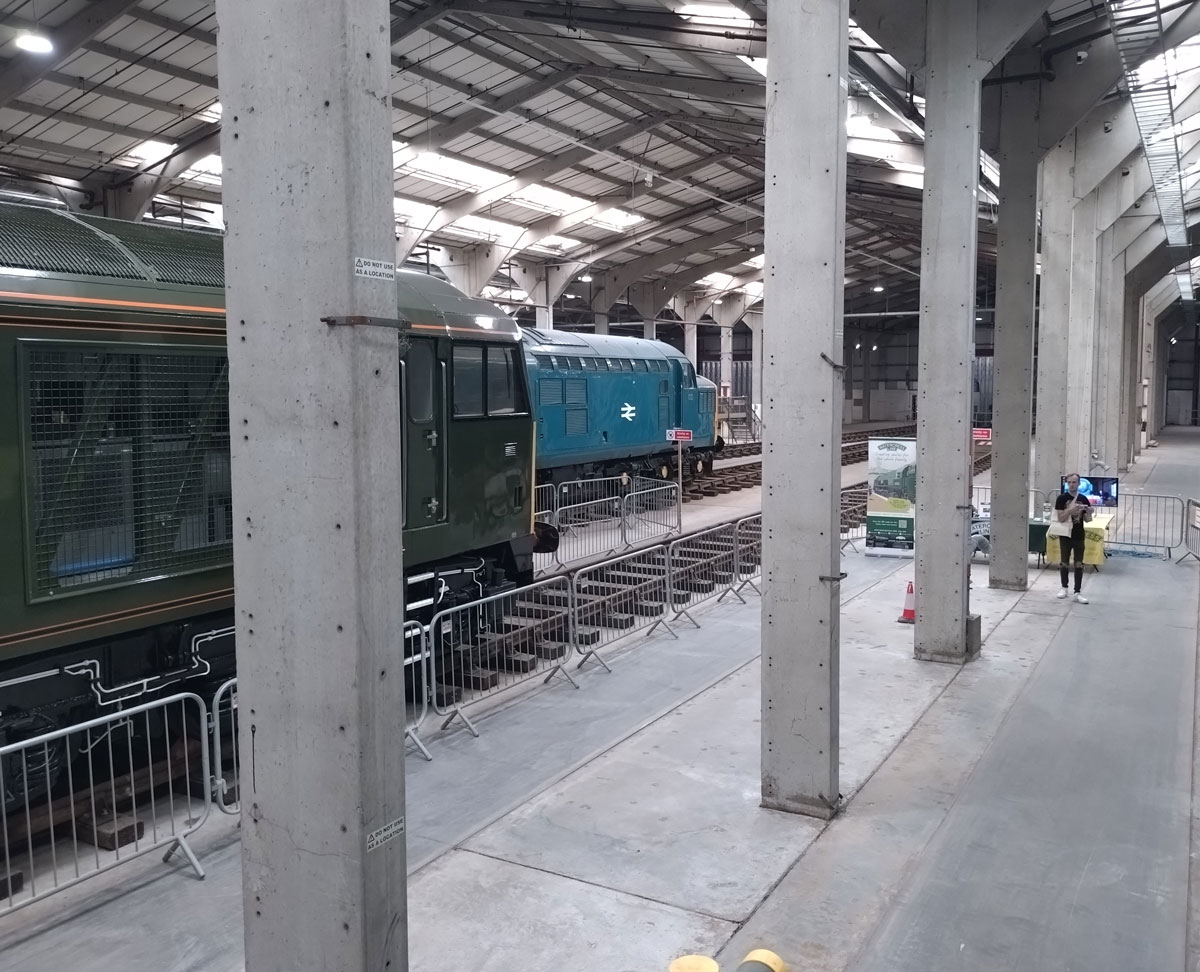
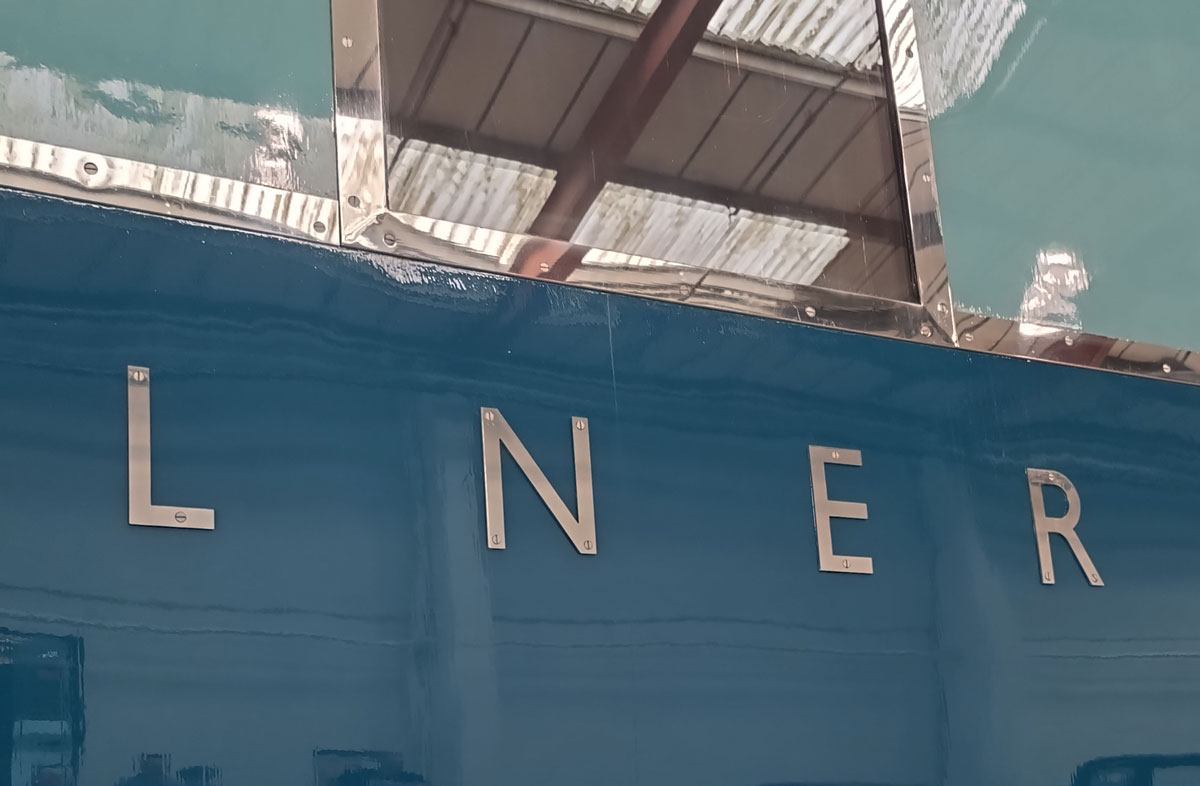
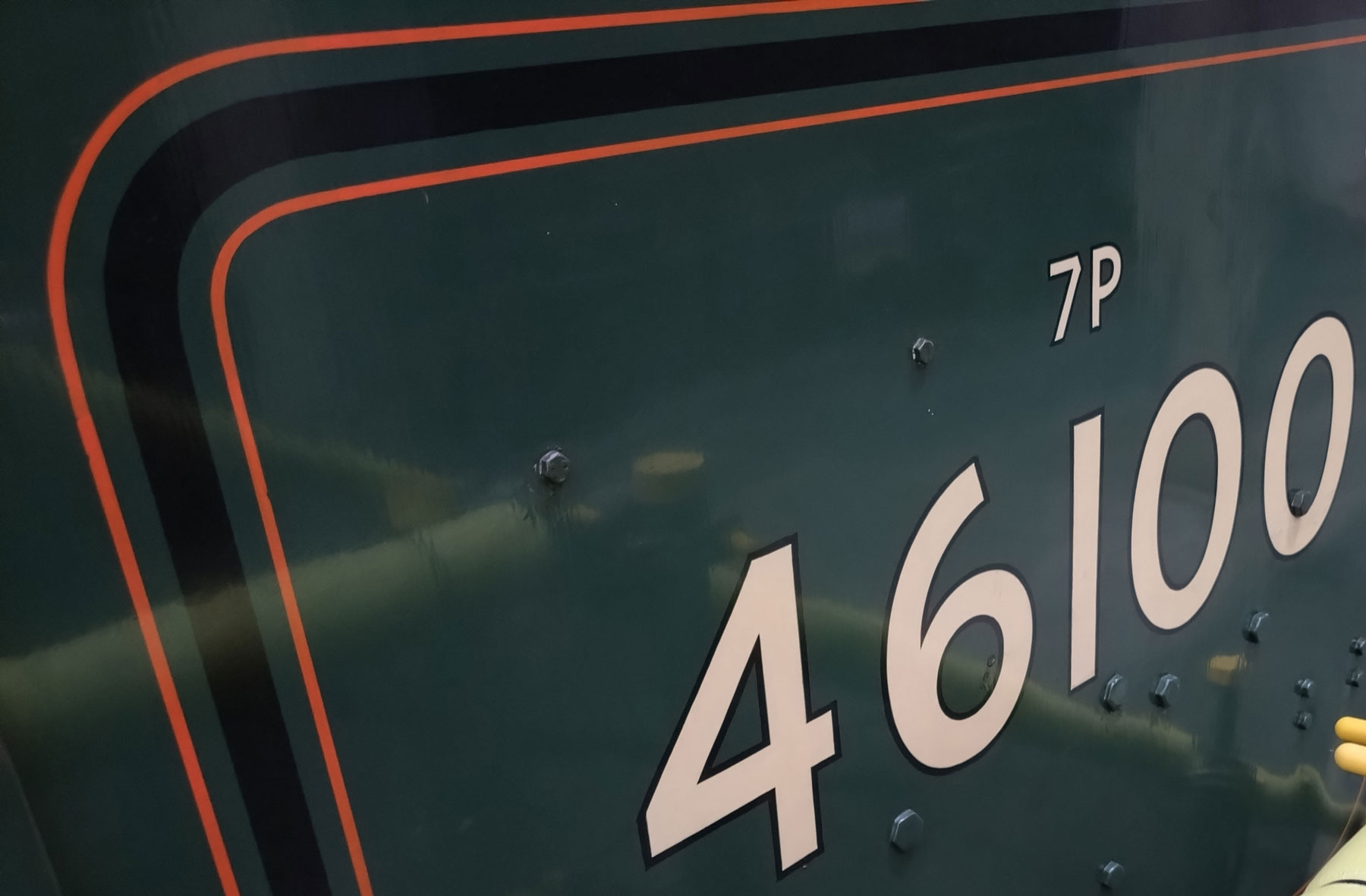
2: THE SIGNS AND THE GIL SANS TYPEFACE – While the focus of the collection is understandably on the big locomotives, the crowd pleasers, the steam engines, on the diesels that are maybe not such crowd pleasers for everyone but might for some of us just as exciting. Some of us are more than pleased to see a workhorse Class 37 in classic 70s British Rail blue and yellow-nosed livery, (one of the few still existing 37s that is still dressed in British Rail blue parked quietly over there). There is a substantial collection of signage, of engine nameplates and more, there’s a wonderful collection of British Railways British Rail “hamburger” or “hot dog” signs (officially known as totem signs) from the early days of nationalisation and still in their regional colours. The elongated, curved-end rectangular signs that were apparently inspired in part by the London Transport roundel. The general public quickly gave them the affectionate nickname of hot dog, they did originally feature the clean lines of the Gill Sans typeface as a lot of British Railways signage and locomotive numbering, there’s loads of great typeface and design in the collection, one the walls, sometimes in the background….
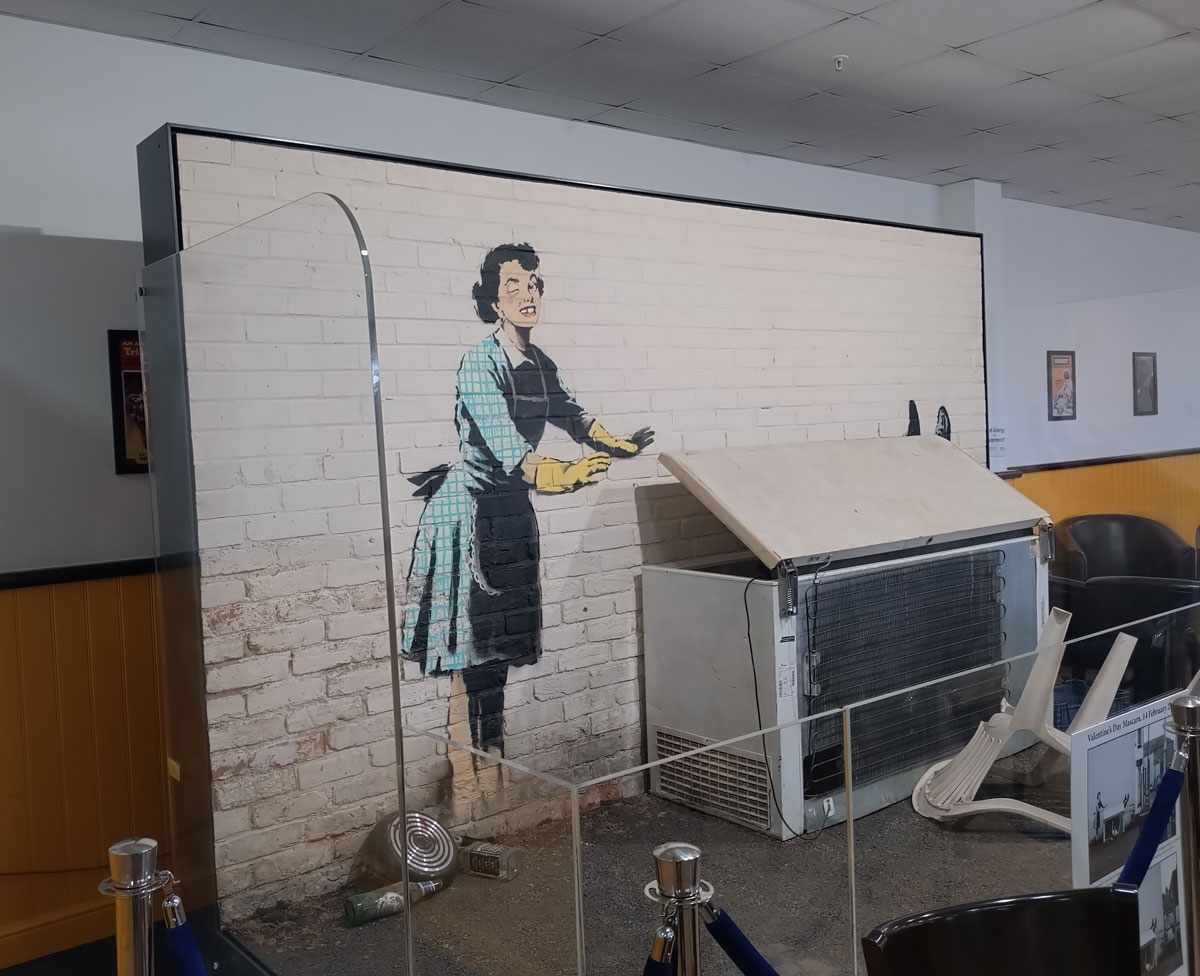
3: THE BANKSY: Well we are about art as much as anything (hey, everything on this page is art), we should mention there is an original authenticated Banksy in the space. A hero to some, not so much the Messiah as much as a very naughty boy to others and maybe considered a little overrated and what is all the fuss about to me but hey, there it is an almost afterthought of a Banksy in the building…
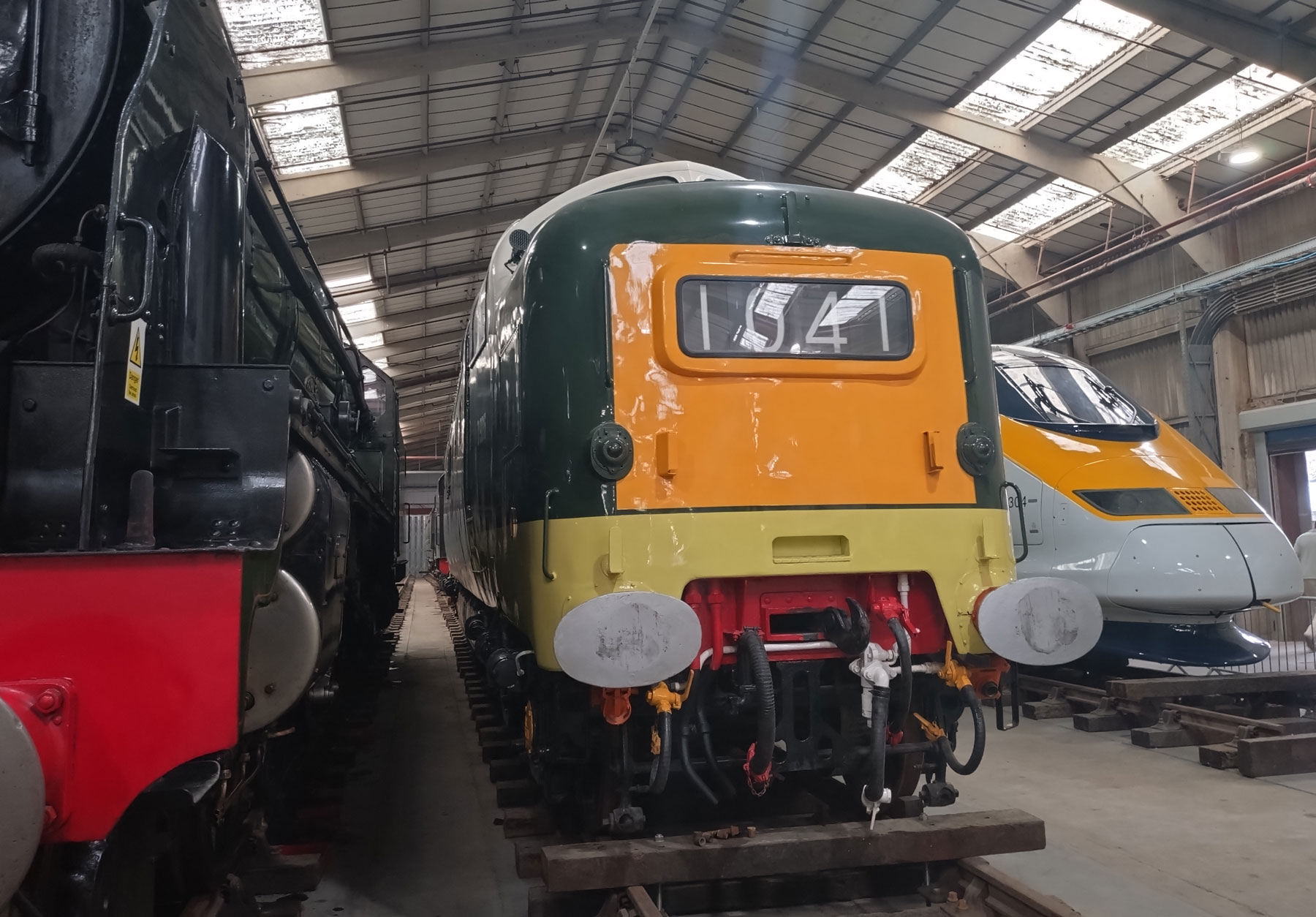
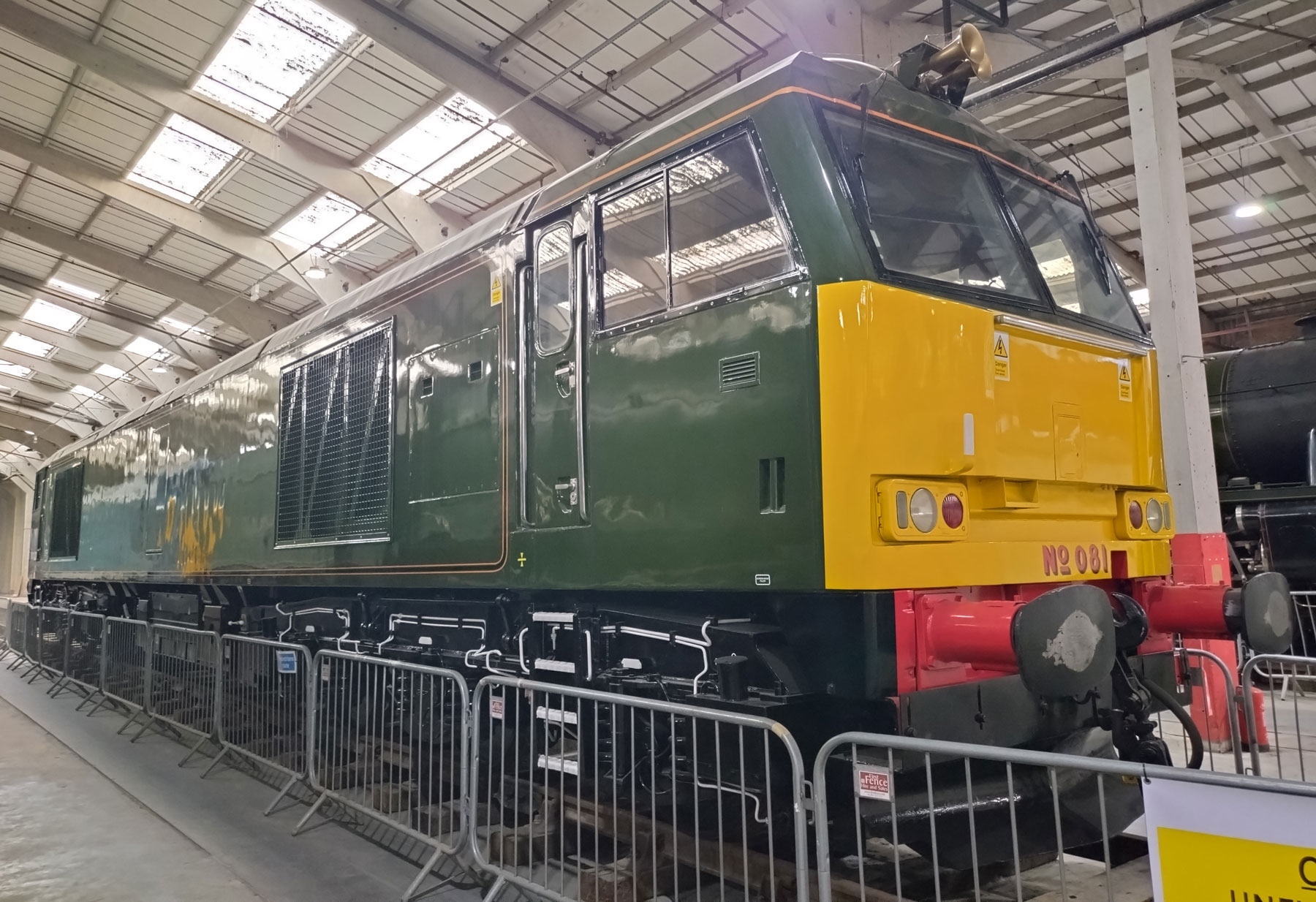
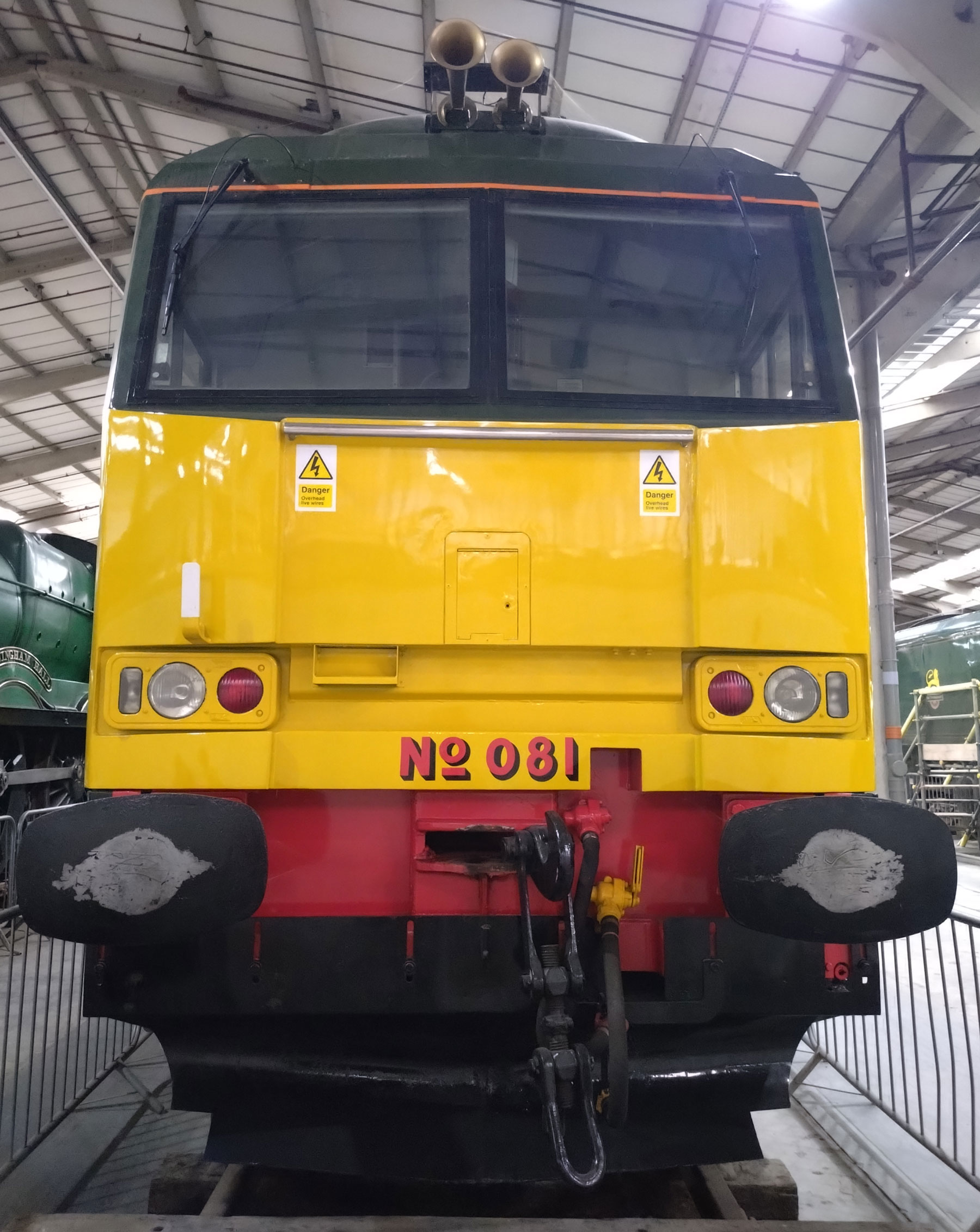
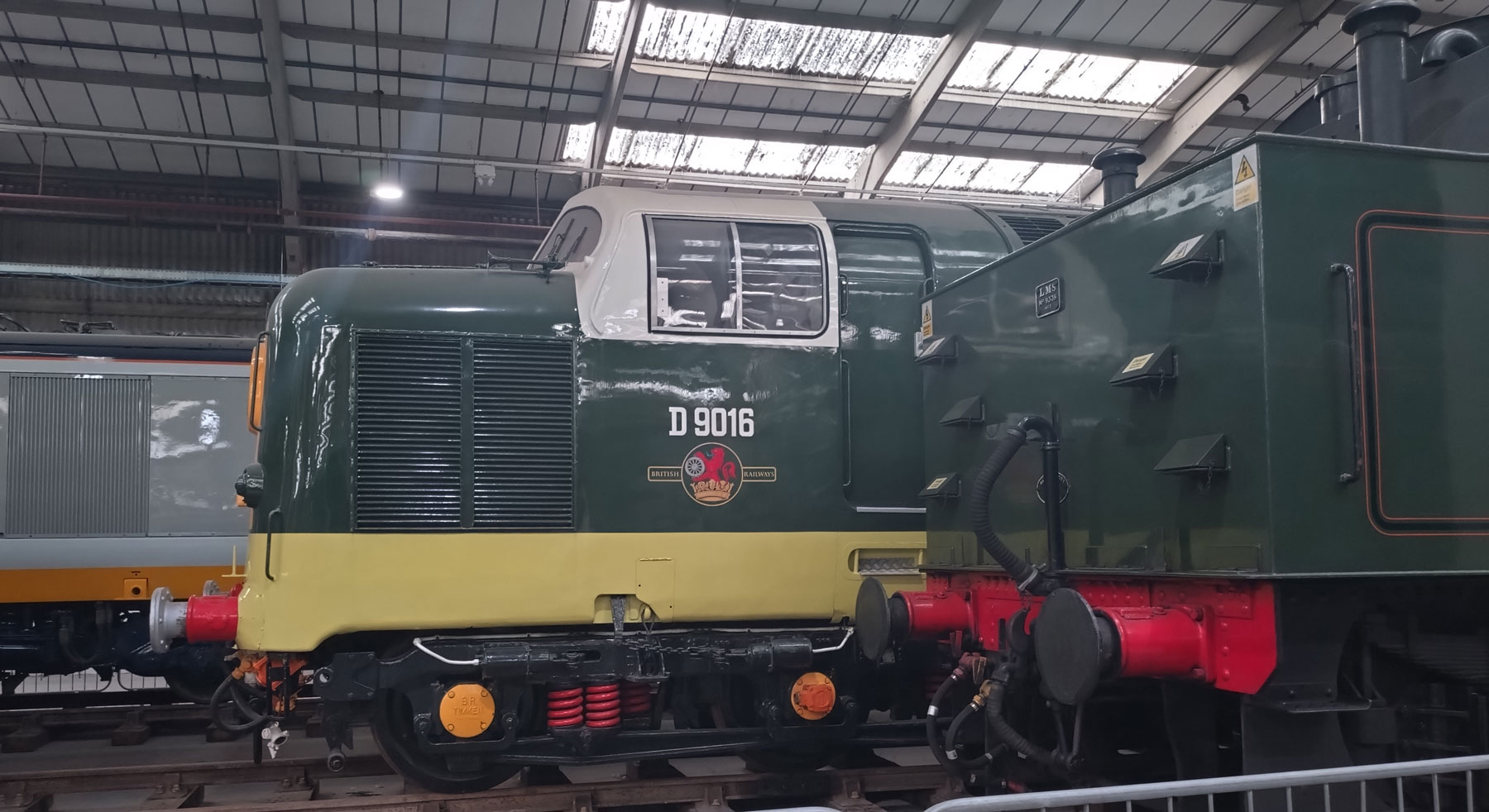
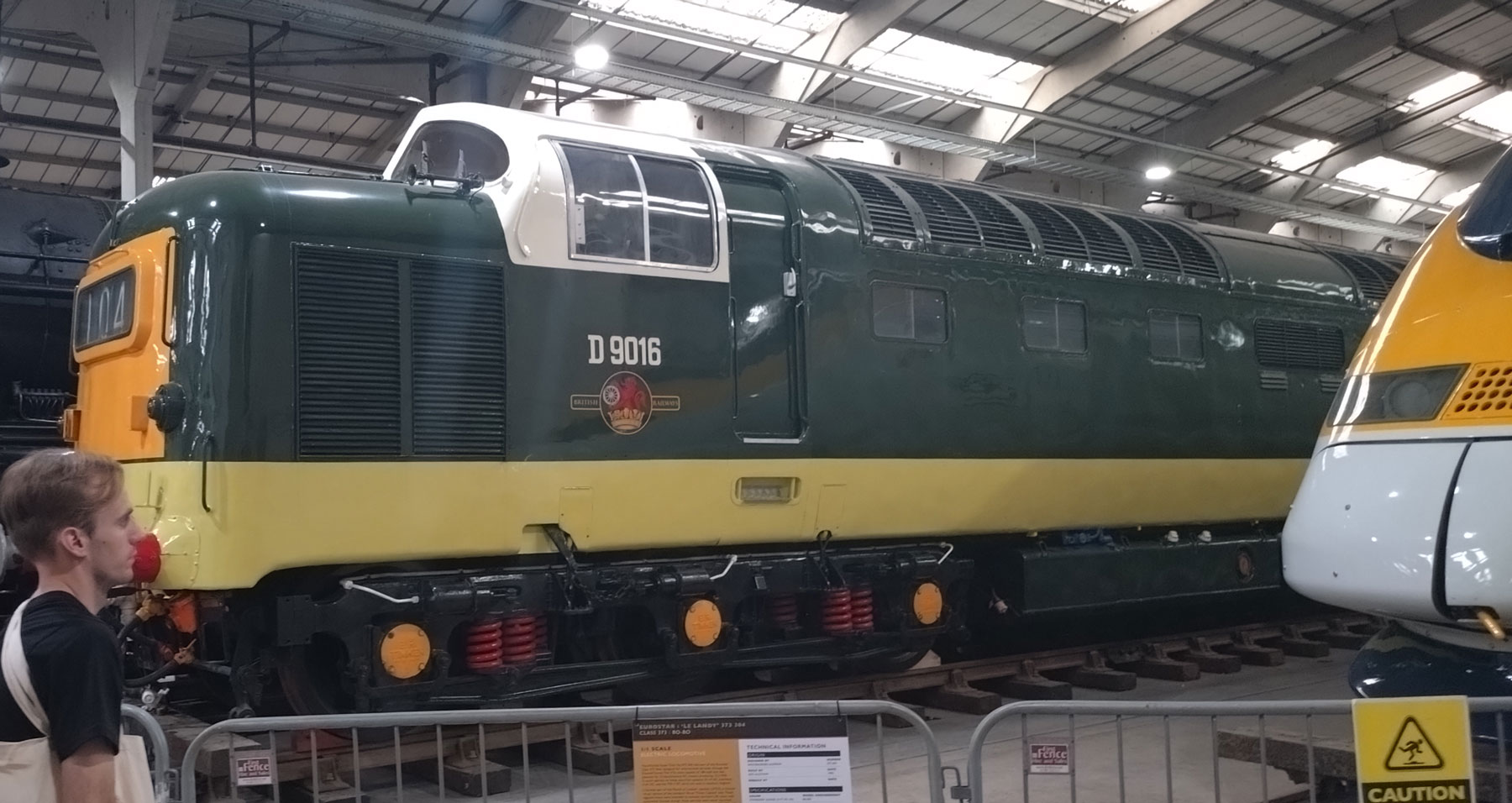
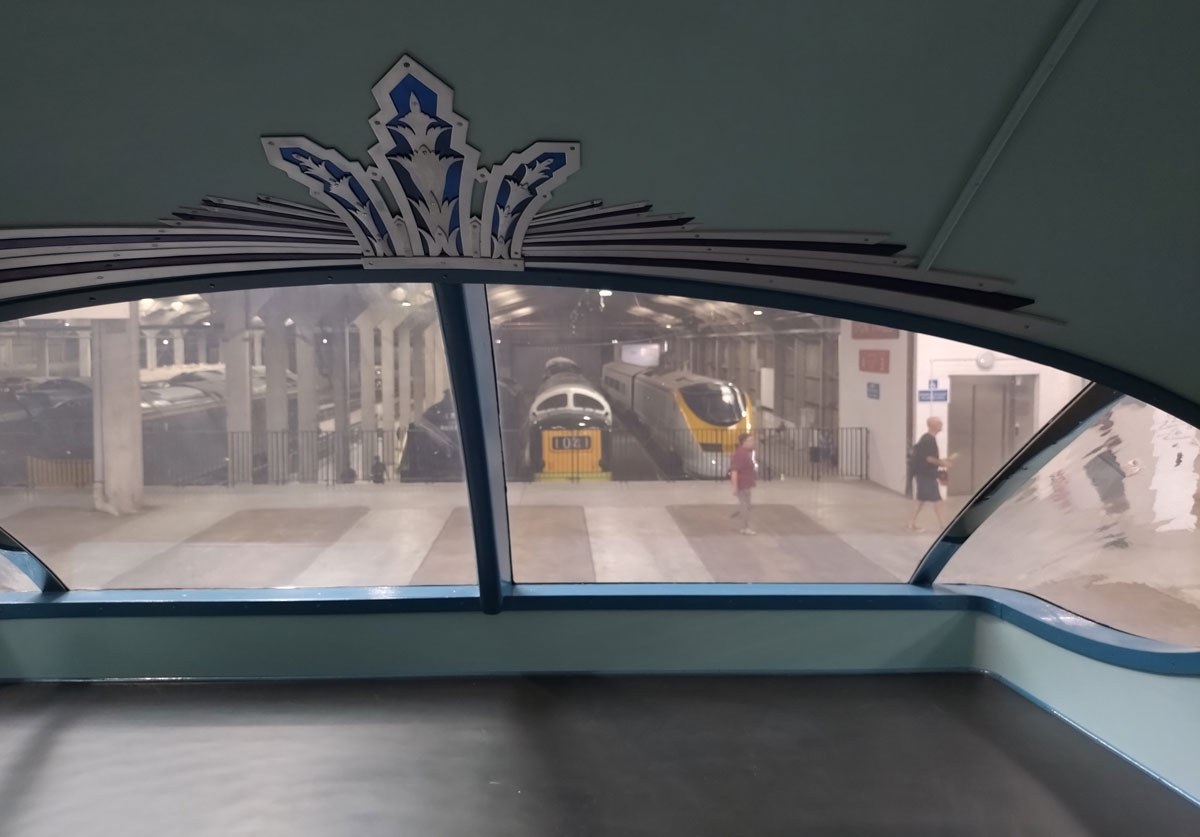
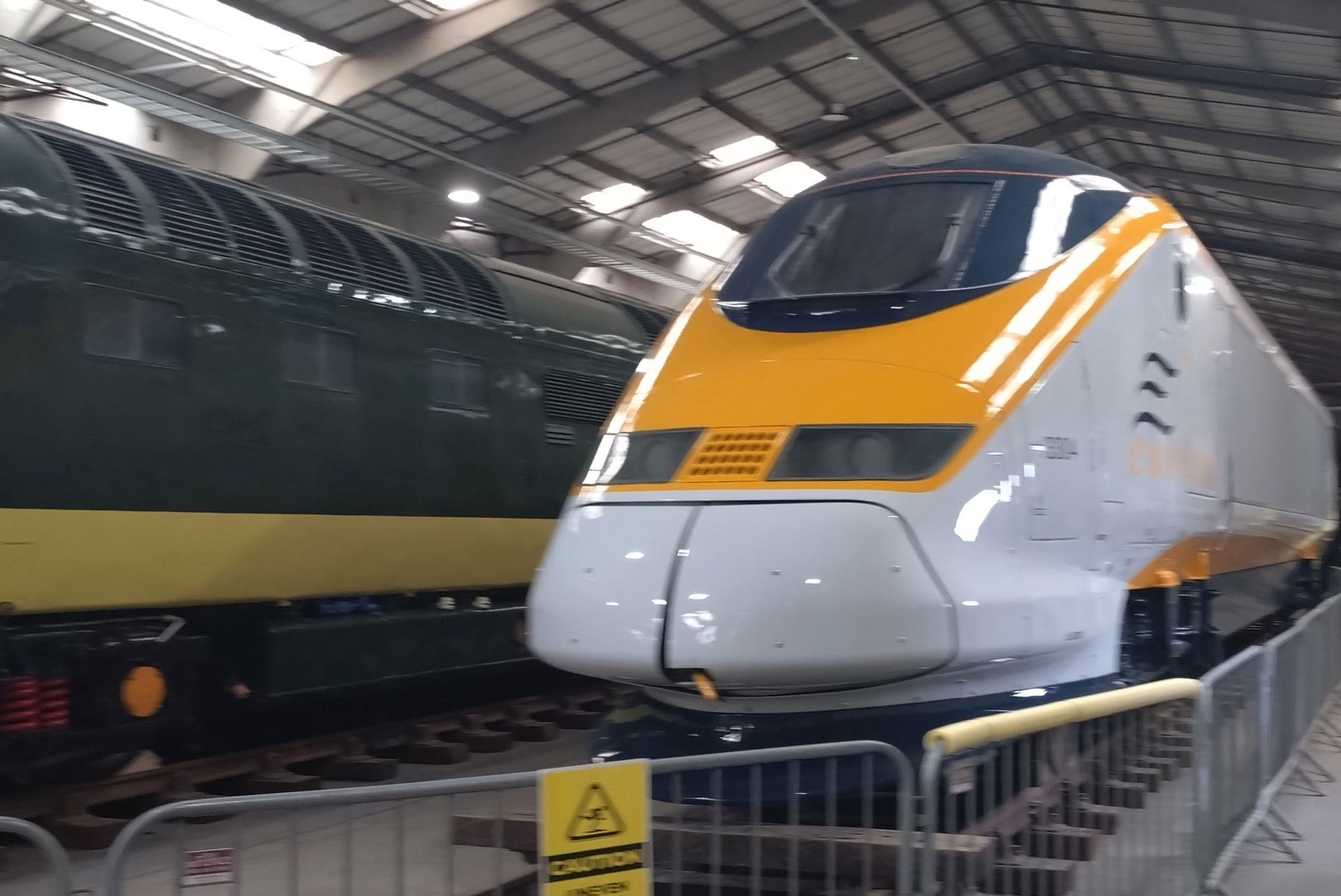
4: The two tone green DELTIC and the nose of that EUROSTAR POWERCAR: There is the aforementioned Deltic, a Class 55 Diesel Locomotive, one of only seven of the original twenty-two now left (six left if you don’t count the very stylised prototype that made it twenty-three, a prototype that first appeared as part our collective exciting future at the 1951 Festival Of Britain). There it is, that big Deltic, that big piece of art, standing there nose next to nose with a 1990’s Eurostar powercar unit rescued from abandonment and several layers of graffiti in a rail yard in France. That Deltic really is a dramatically big breast and it does look good in the original two tone green livery and the original D number. The Deltics were designed and built in 1961 and 1962, built for the high-speed express passenger services on the East Coast Main Line between London King’s Cross and Edinburgh, they were the Kings of the 60s and 70’s in terms of motive power, they are things of beauty, this one is called Gordon Highlander…
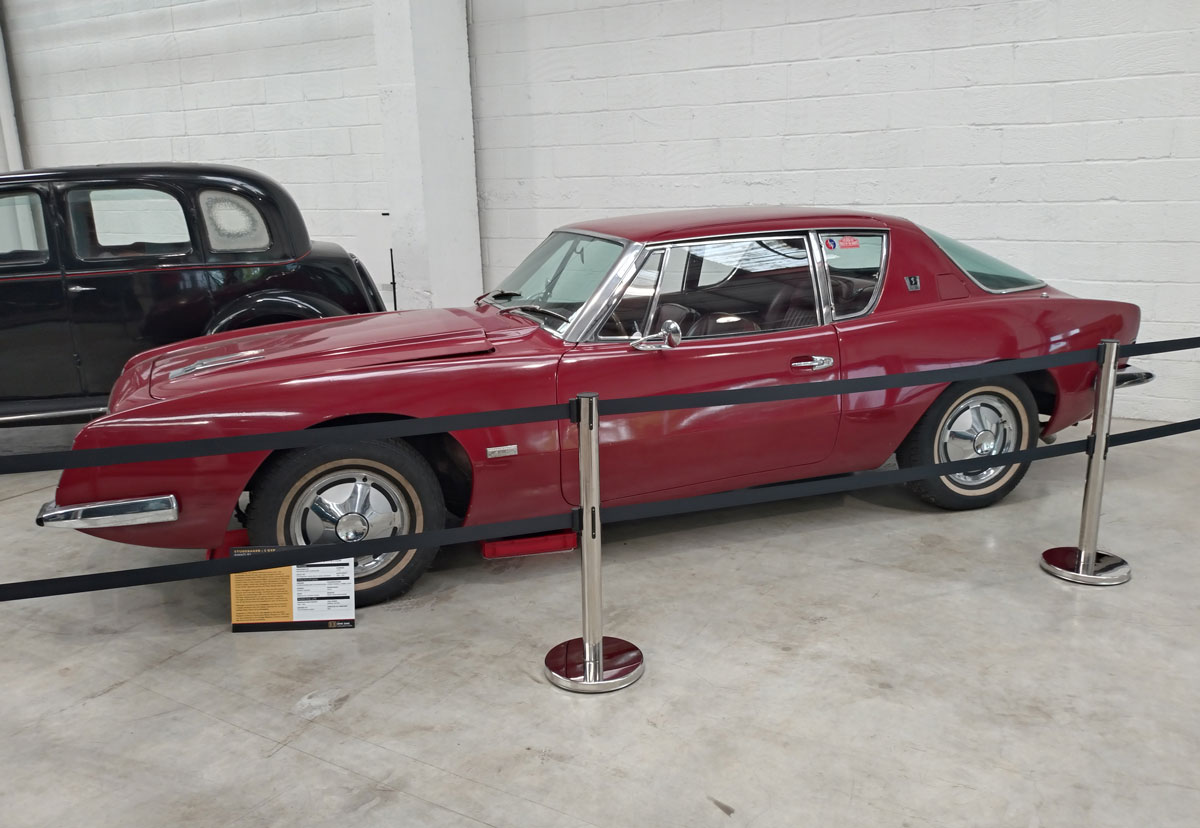
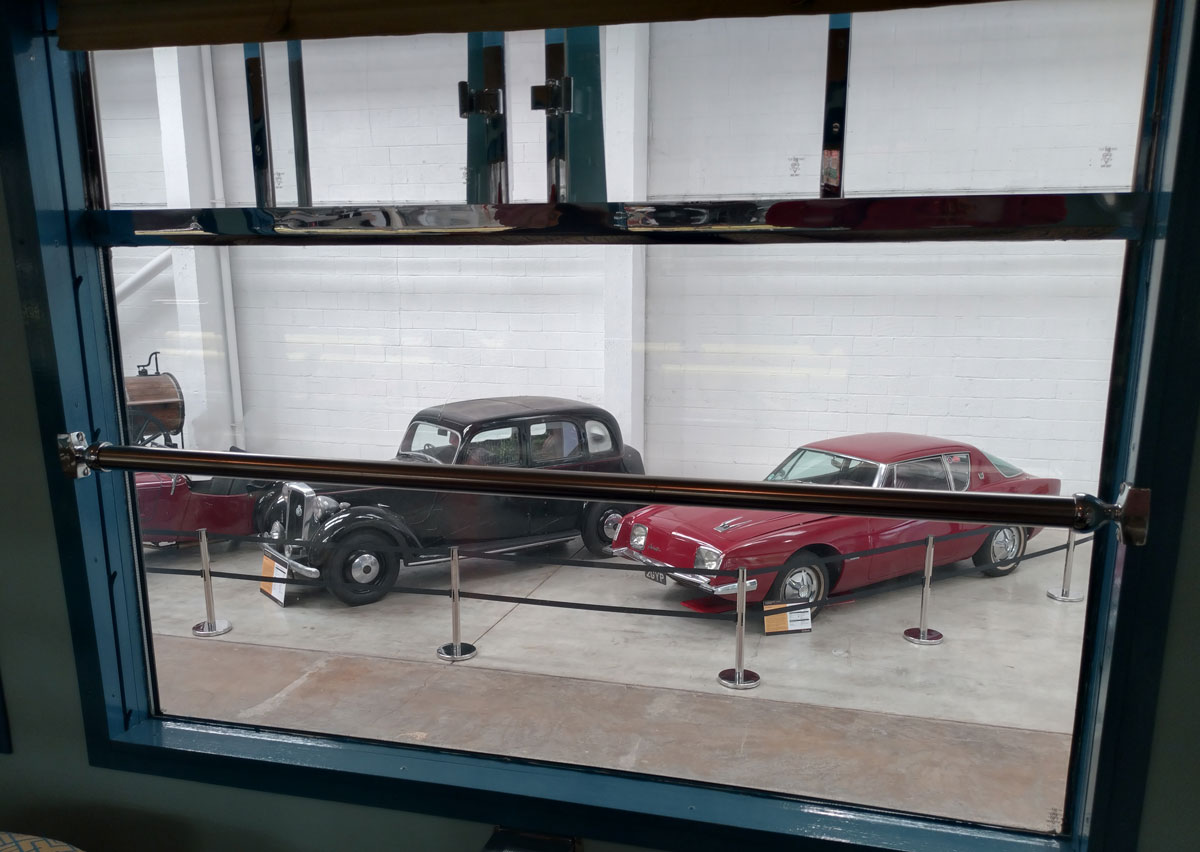
5: There is the rather radical 1962 STUDEBAKER AVANT, a rather ahead of its time car designed by Raymond Loewy – famous for refining the iconic (and once again we can use that overused term, is there anything more iconic than a Coke bottle? A Coke being held by Marilyn Monroe and photographed by Andy Warhol maybe?) – famous for refining the iconic 1915 Coca-Cola contour bottle design in 1955, alongside many other mid-century American design classics. We weren’t expecting to see that car (there are lots of hidden treasures in the space, I almost said in the gallery, it is really an art gallery, or at least a design gallery). It is said that “the Coke-bottle aesthetic popularised by Loewy’s Avanti went on to define 1960s and 1970s automotive design, heavily influencing classic American muscle and pony cars like the Chevrolet Corvette Stingray, Ford Mustang, and the Pontiac GTO” it is good to see the Avanti sitting there, especially seeing it from inside the art deco streamlines of the Bevertail observation carriage, accident or not, two pieces of real design history side by side.
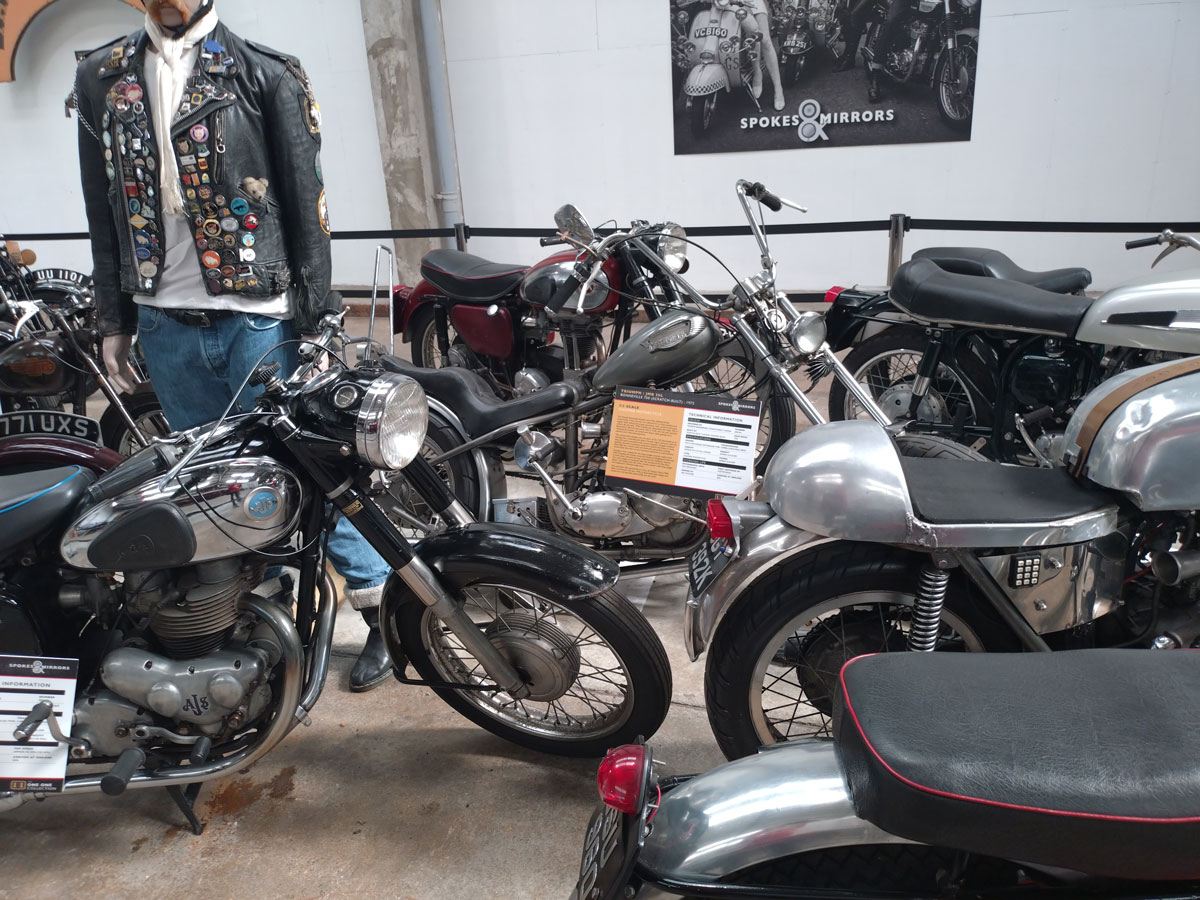
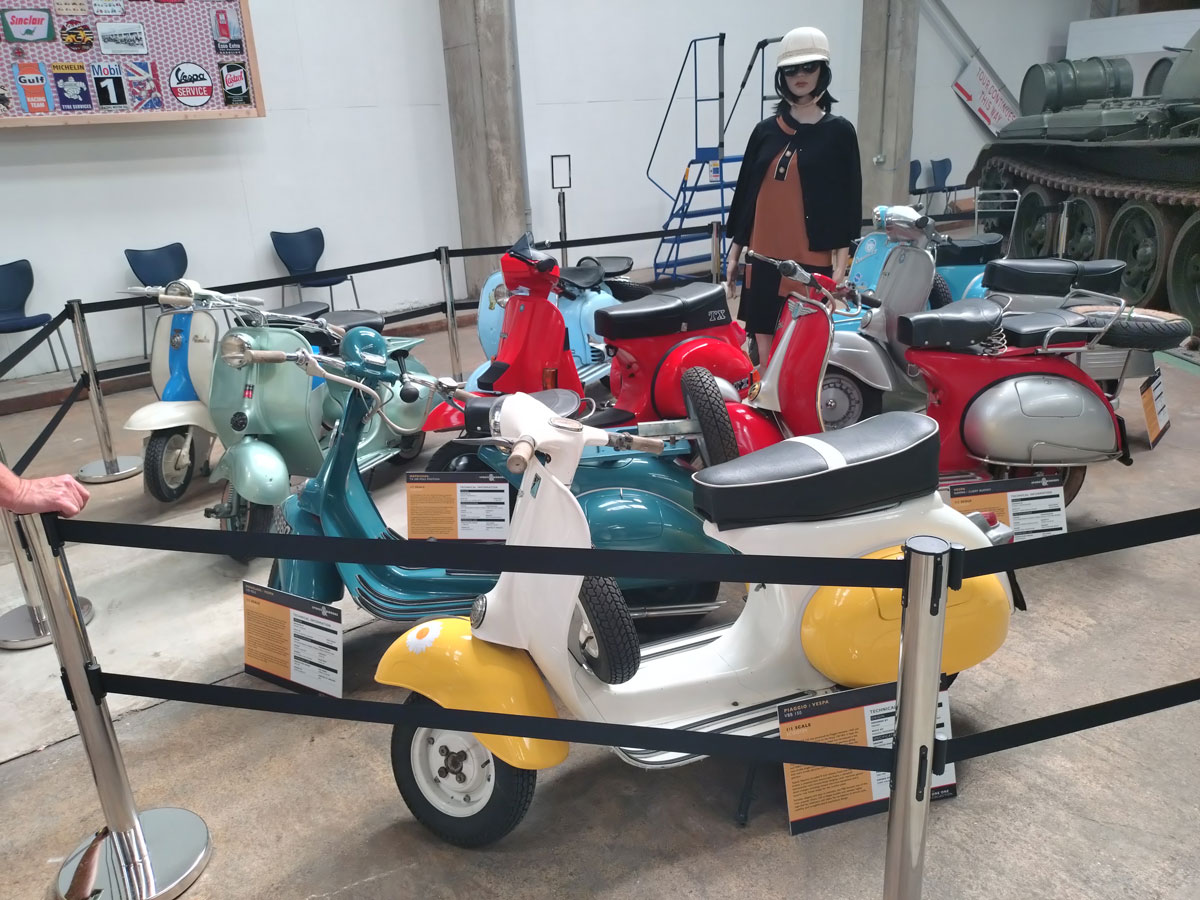
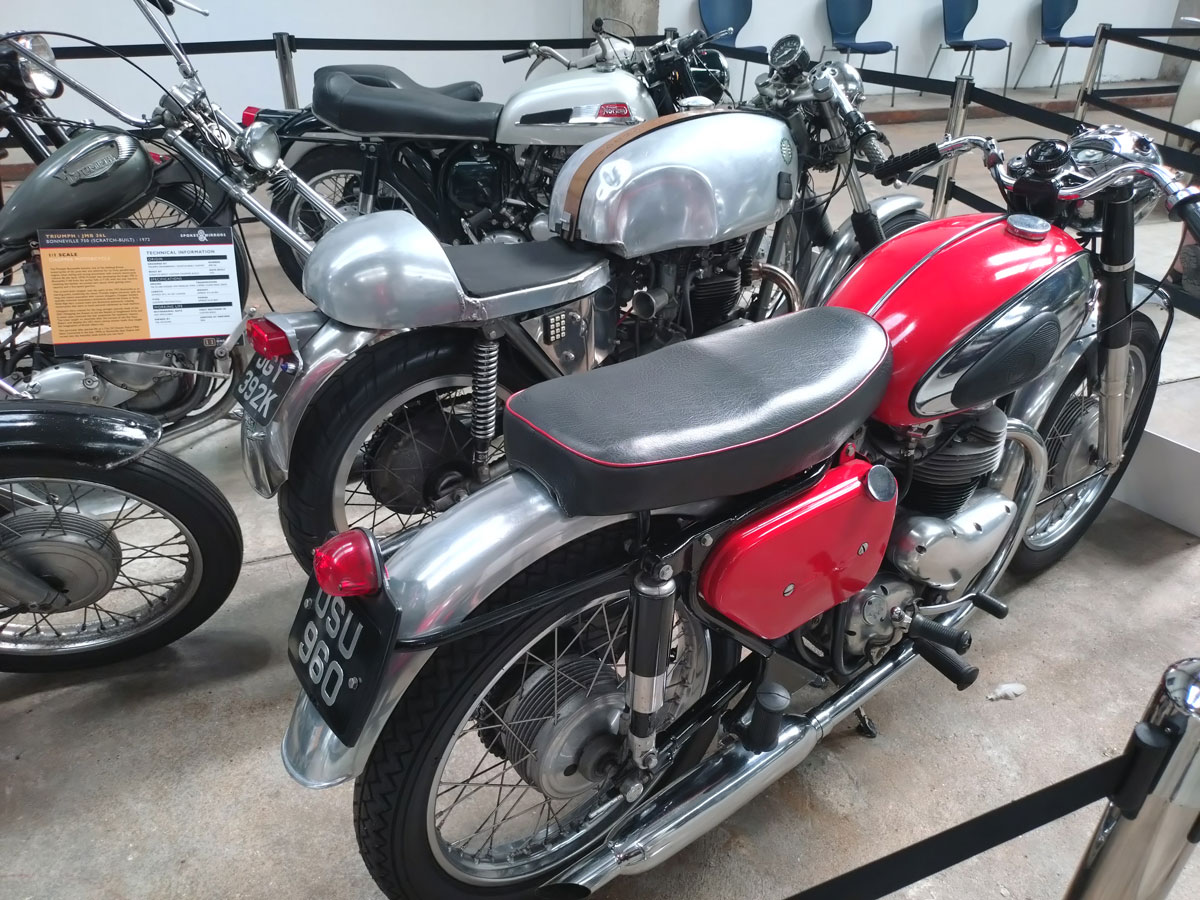
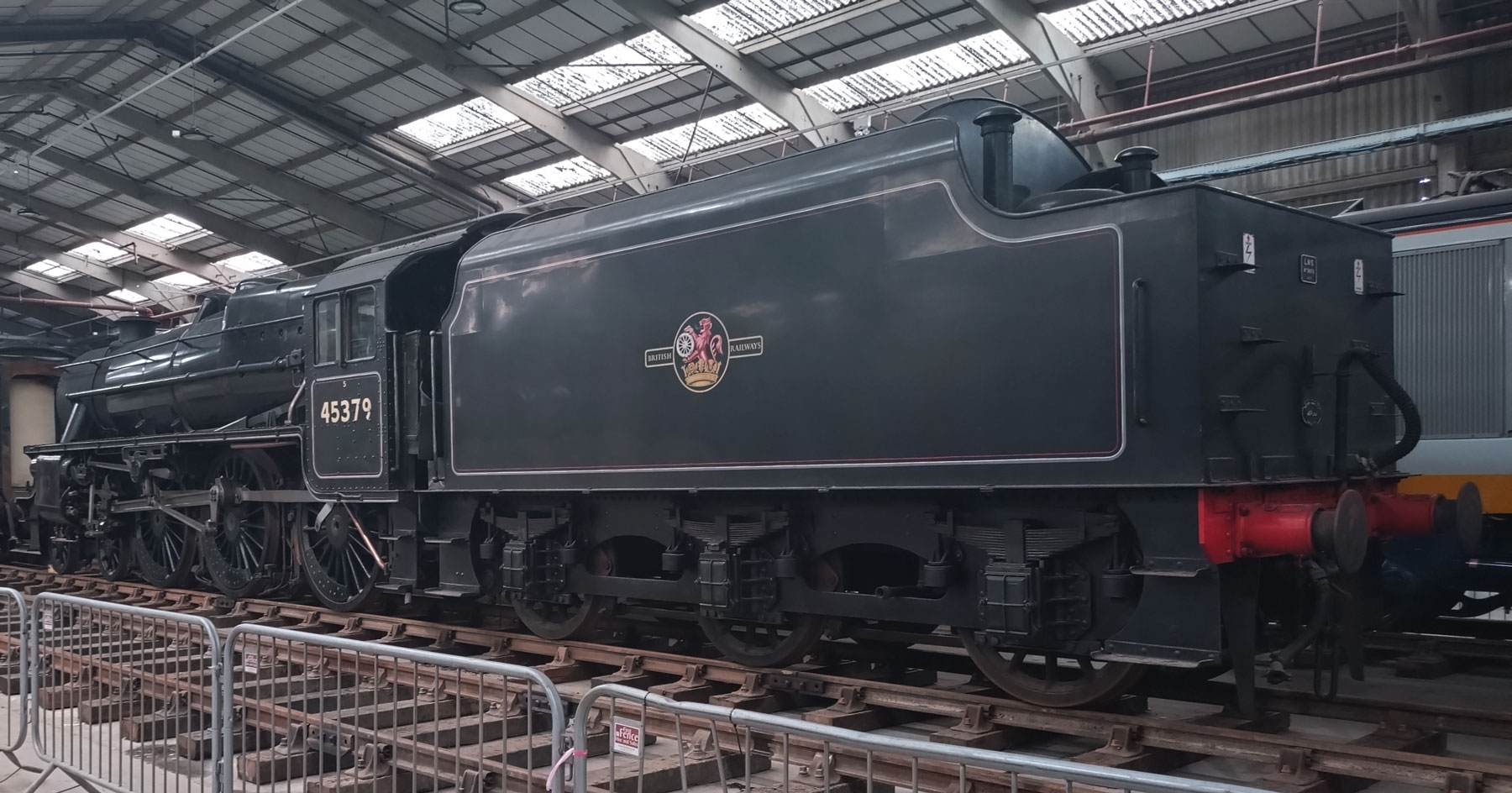
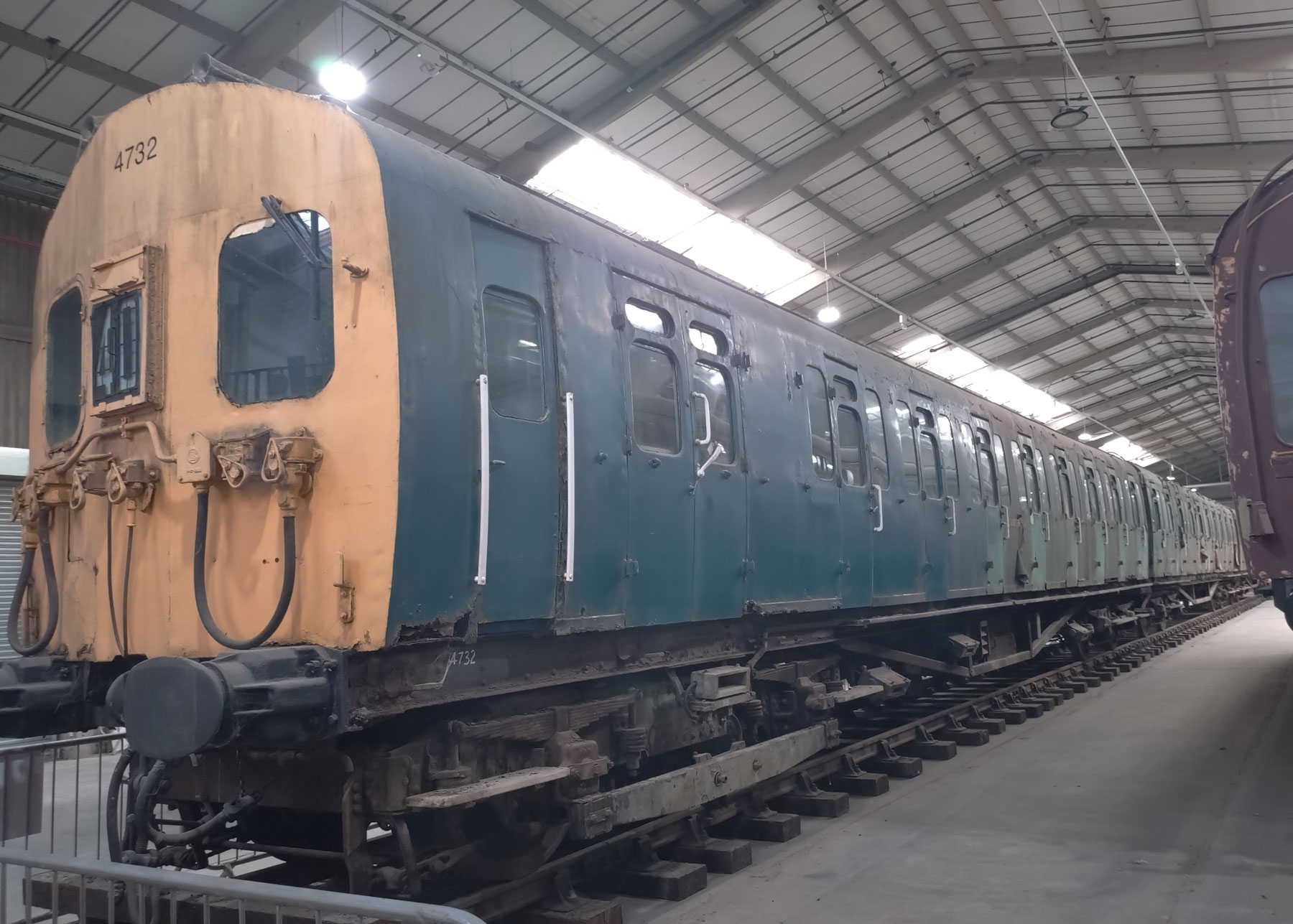
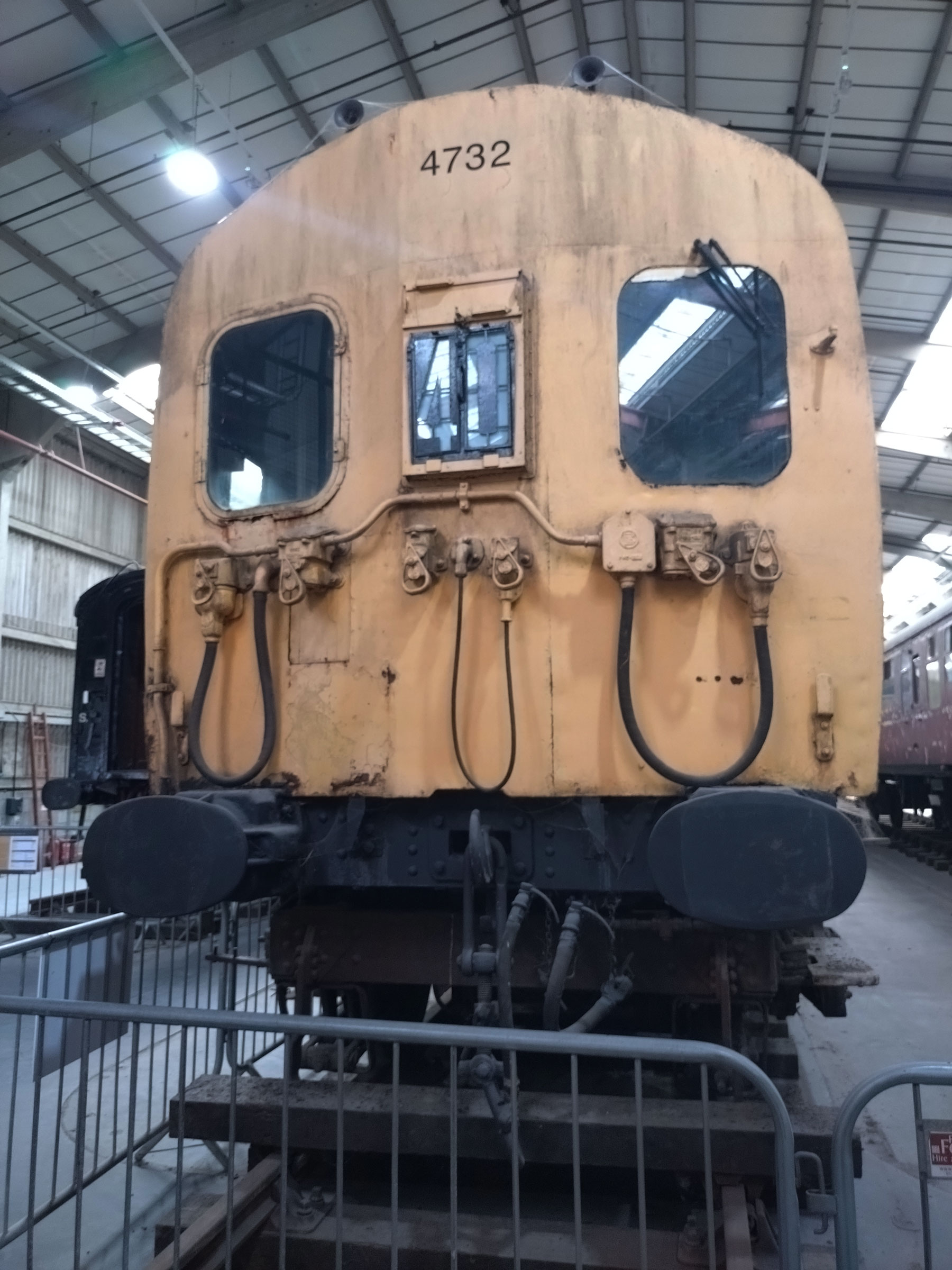
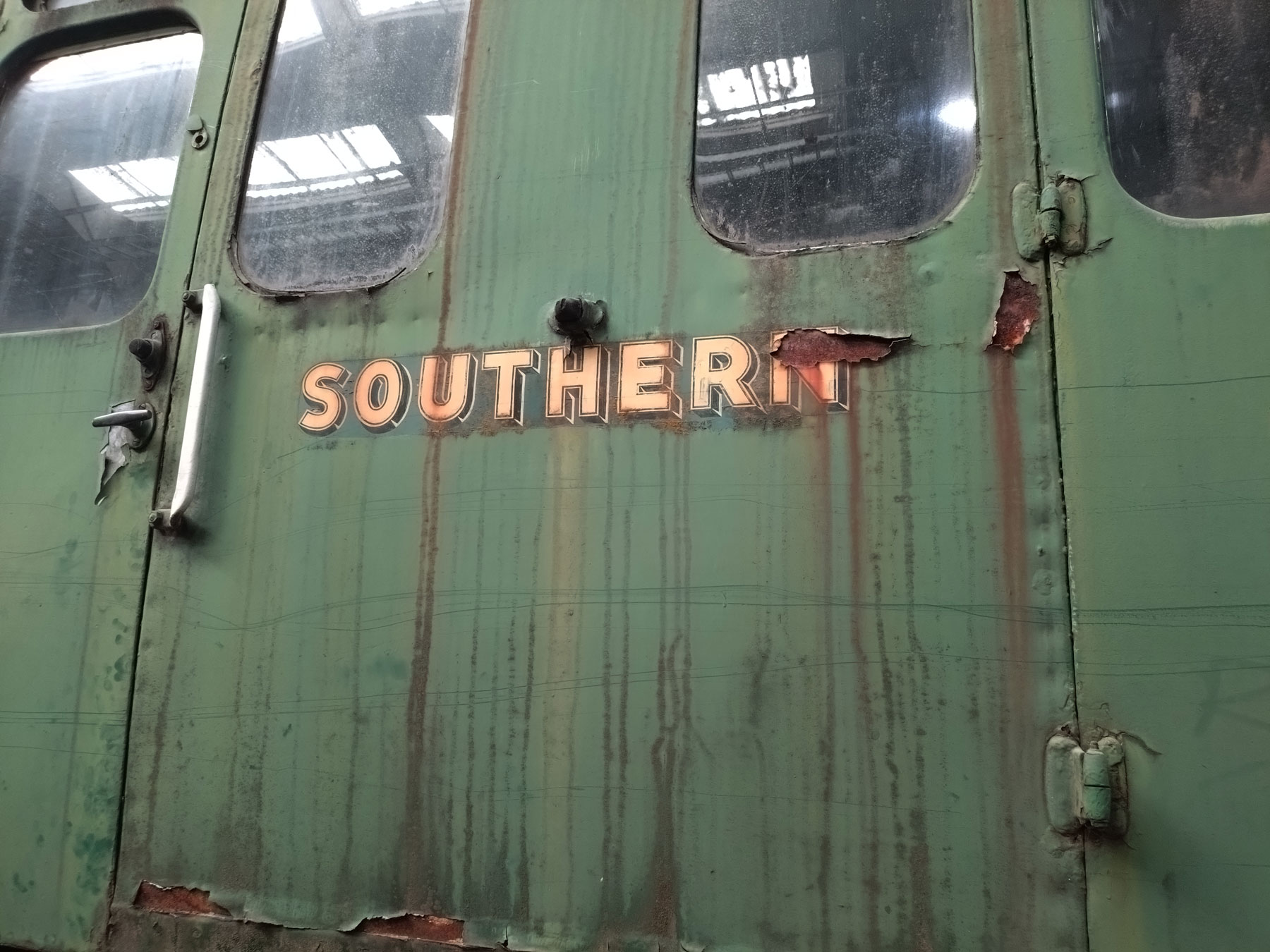
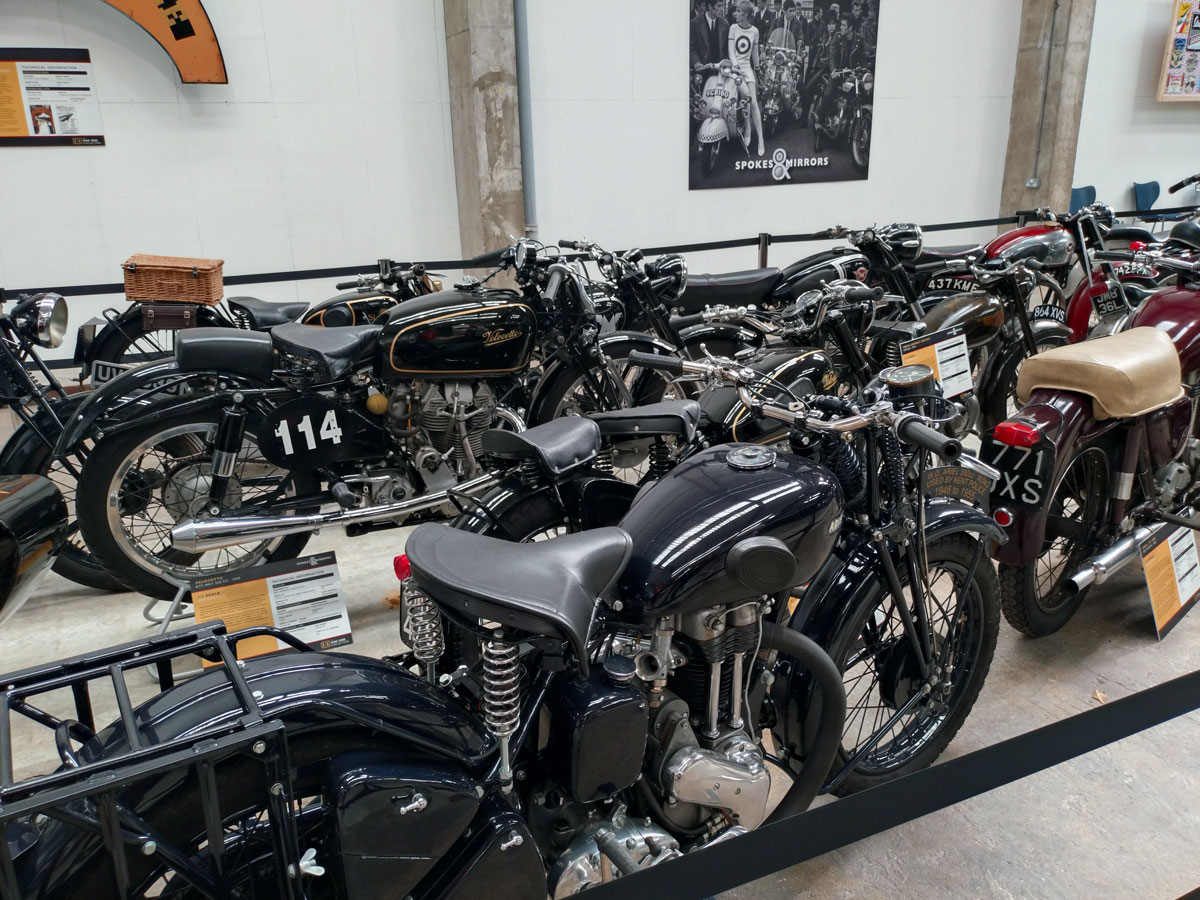
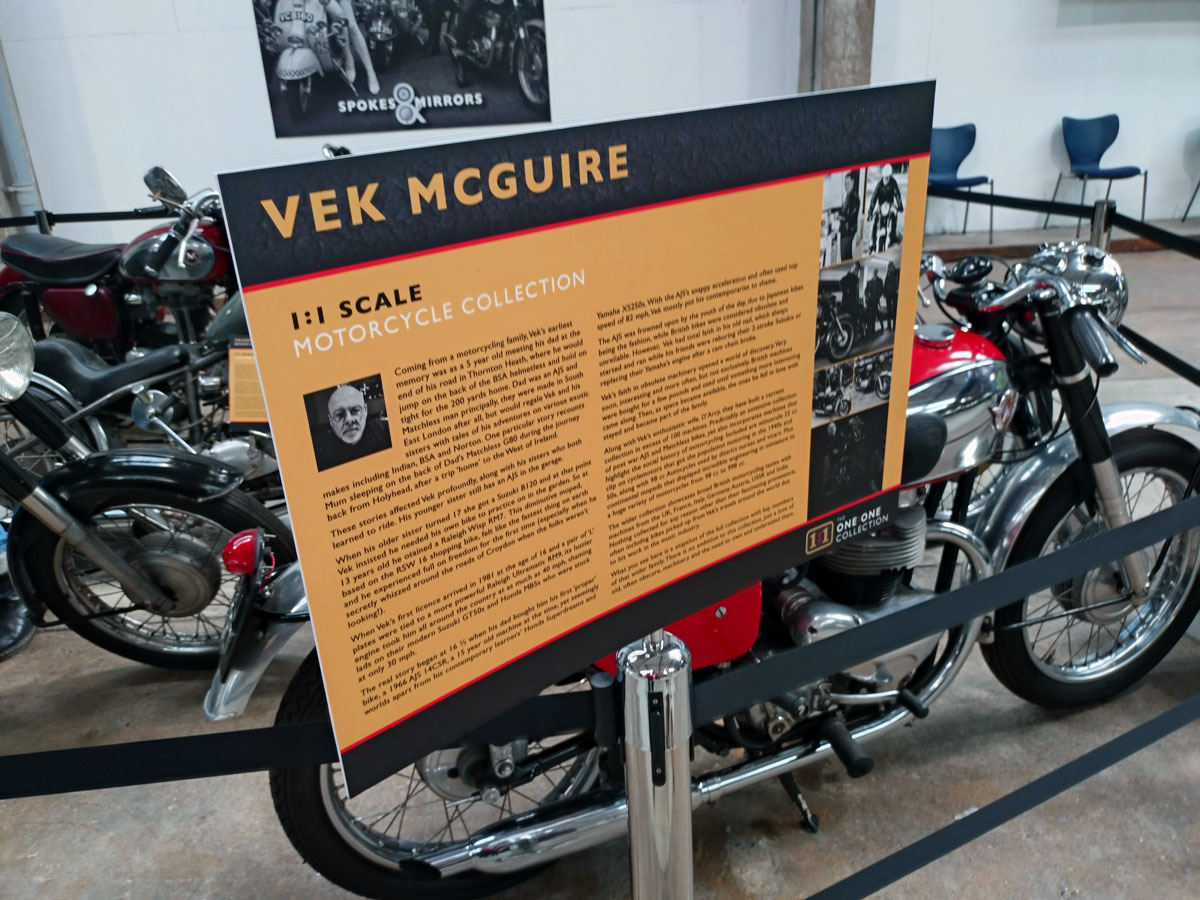
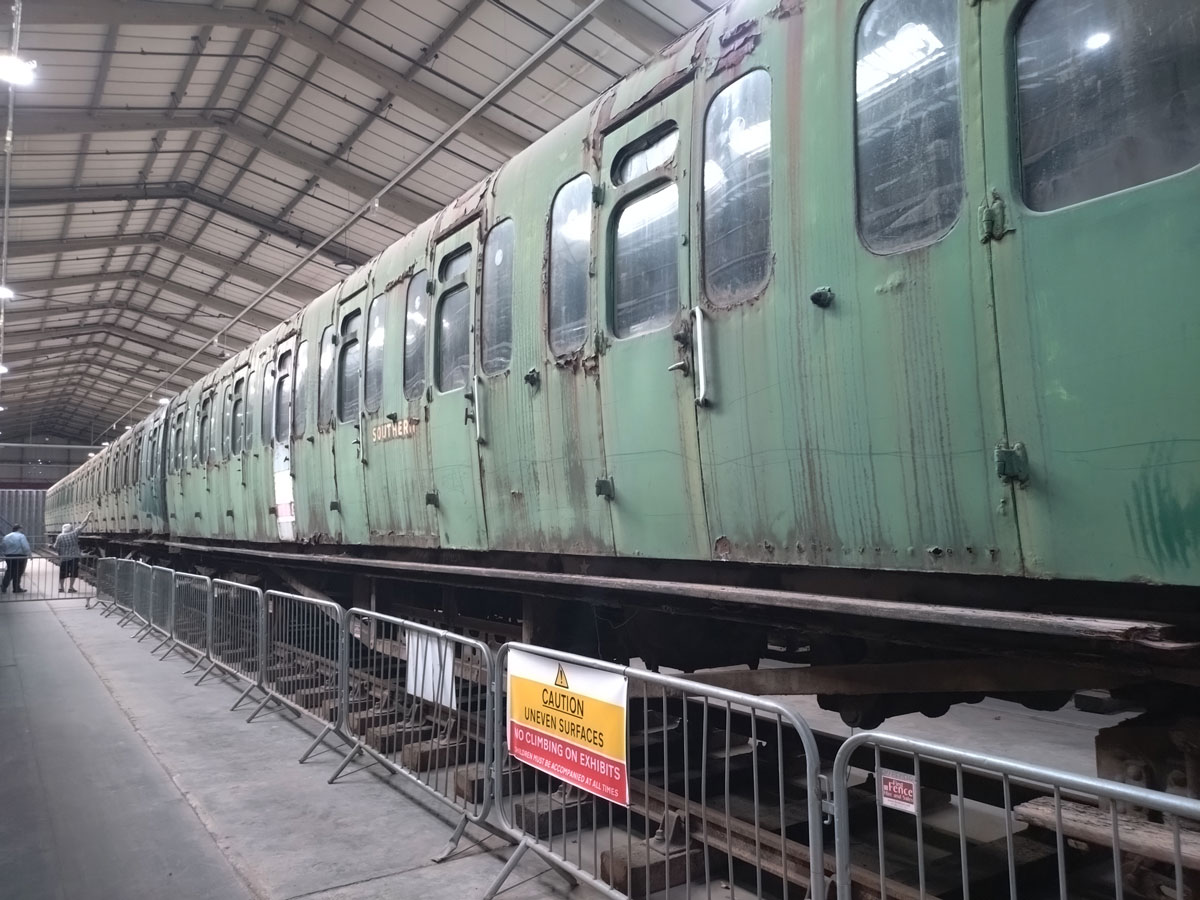
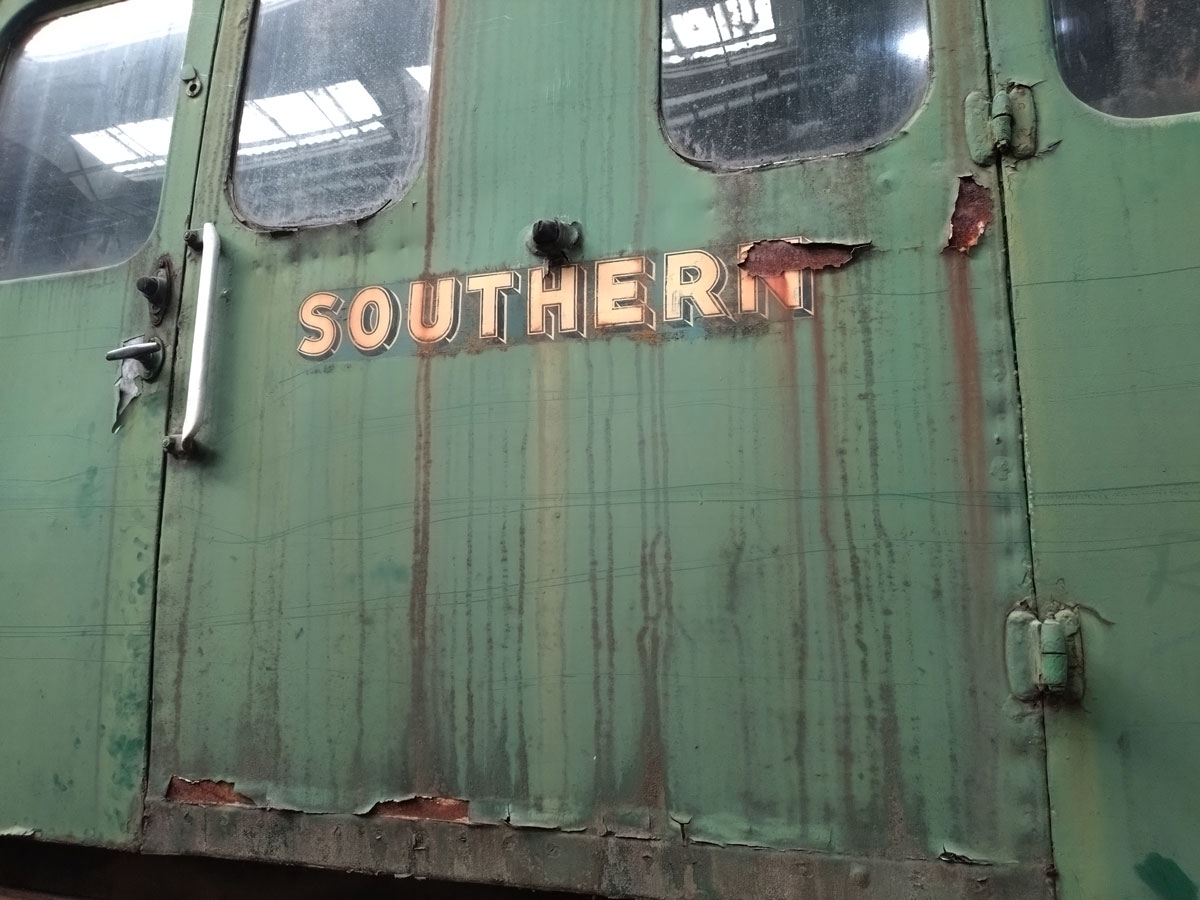
And beyond those five picks there is a more than healthy collection of classic 60’s motorcycles (the Dave Fox collection) and another collection of Scooters (the Vek McGuire collection, mostly Vespa machines if I’m not mistaken), two collections facing each other and of course mirroring the Mods and Rockers days of Margate beach front. And I can’t resist mentioning that decayed paintwork on the side of that slam door EMU and that Southern logo on the side, I hope they never restore it (they probably should) and there is the Royal Scot itself, a glorious 1927 mainline steam locomotive from the LMS ere and there is a Black Five and a… Hey, we could go on, it is a beautifully put together ever evolving collection of trains, engines, locomotives, historic railway carriages and rolling stock, signs as well as other pieces of transport, of design, typeface and lots lots more. And all that before we even get to the Hornby models and whole other piece we probably need to write about all of that. How impressive are the current Hornby models.
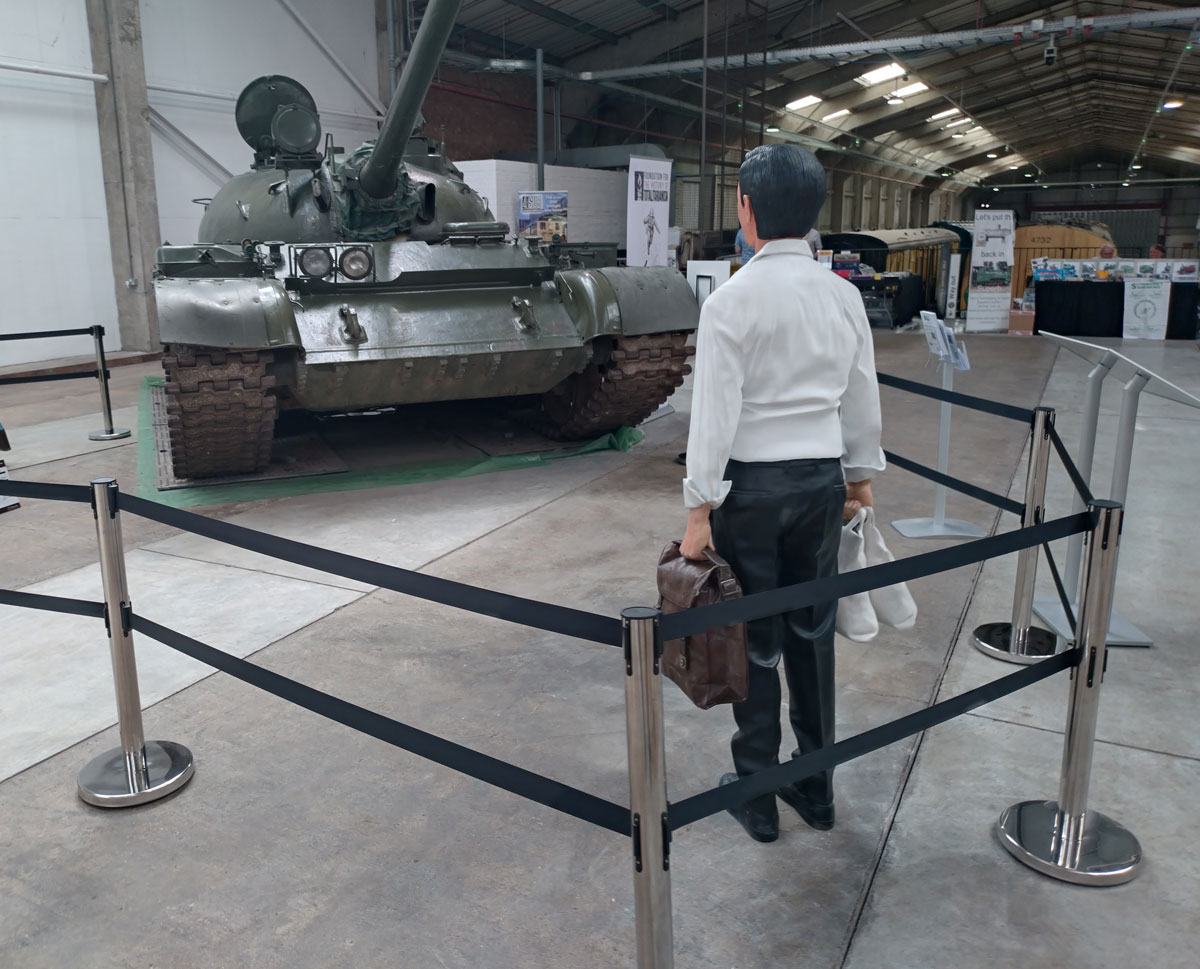
And on a more sombre note, there is a great big Russian tank over there, with a figure standing in front of it to represent Tank Man (also known as the Unknown Protester or the Unknown Rebel), an unidentified individual, presumed to be a Chinese man, who stood in front of a column of Type 59 Russian tanks on Chang’an Avenue near Tiananmen Square in Beijing on June 5, 1989.

What an excellent afternoon of (sometimes unexpected) engagement along with a moment or two of thought provoking reality. An afternoon with some classic pieces of art and design, of motive power and lots lots more. It feels like the One:One collection is almost a (well kept) secret, yet there is is, hiding there in plain sight, a massive thing in a rather historic building. A wonderful collection, a multi-armed labour of many people’s love. Do watch out for their next open weekend, hopefully they can work out the logistics of opening it all properly, hopefully this vital Collection will just build and build, what a set of seaside treats…
(with special thanks to Frank Martin, Director, Locomotive Storage Ltd and excellent host and guide)
Links: www.oneonecollection.co.uk / www.wonderworksmargate.co.uk
previously on these pages…
As always do please click on image to see the whole thing or to run the slide show…